
Hannah Finnie is a writer in Washington, D.C. interested in the intersections of work and culture. She is a graduate of Harvard Law School.
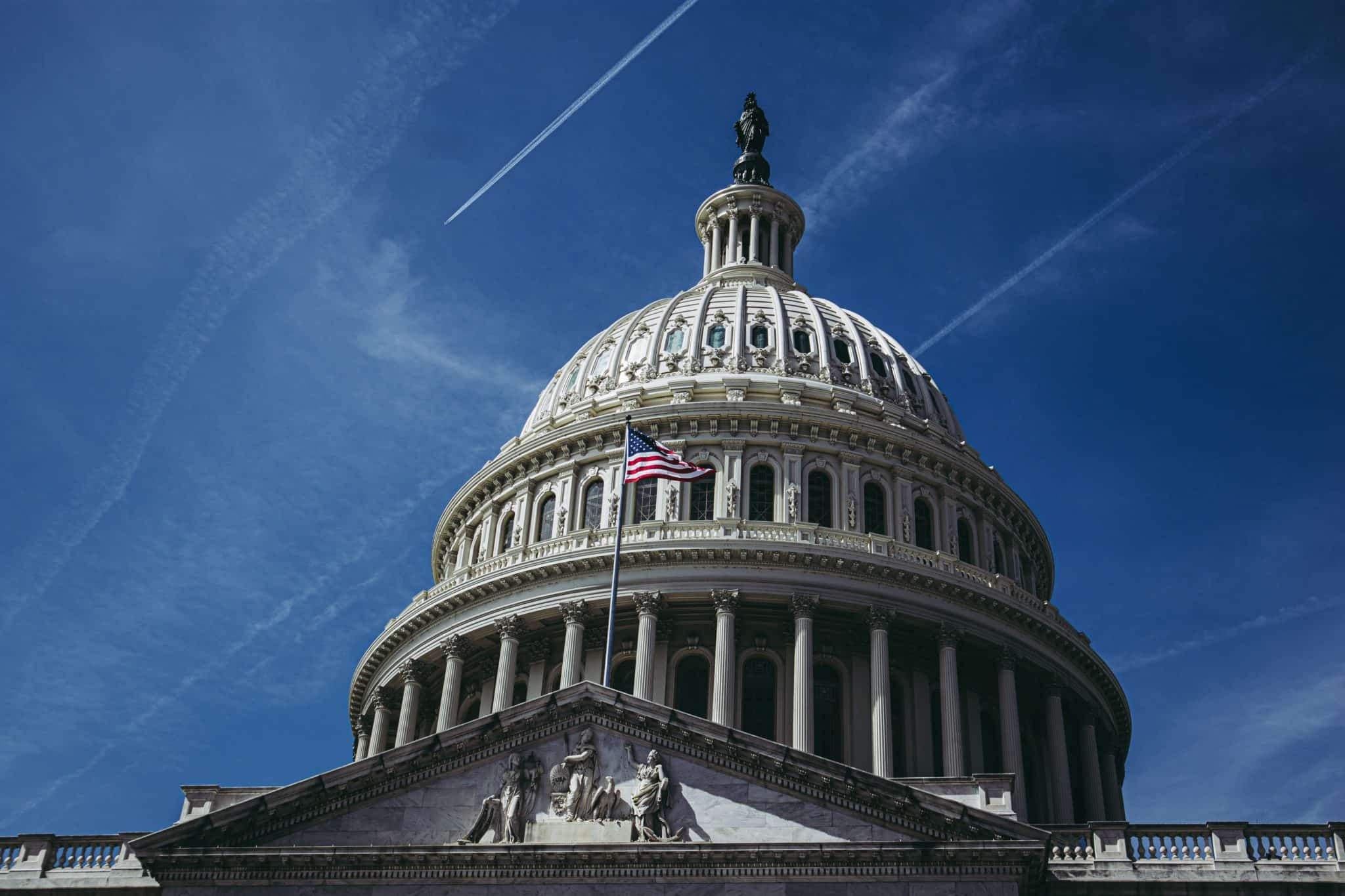
The Inflation Reduction Act appears to have enough support to pass both the House and Senate after Democrats brokered a deal with Sen. Kyrsten Sinema (D-AZ). The bill, as currently written, has several provisions that will affect workers and businesses. It would create a minimum tax rate of 15% for corporations generating $1 billion or more in income. It would also greatly enhance enforcement funding for the IRS, which is currently underfunded and often therefore fails to investigate potential tax issues for larger corporations and entities. The bill would also allow Medicare to negotiate the price of some prescription drugs, potentially leading to lower prices for patients. And finally, the text of the bill also contains significant investments in combatting climate change, which is currently leaving the most vulnerable workers in even more vulnerable positions, like increasing temperatures for farmworkers and mail delivery drivers.
Kansas voters delivered an overwhelming win for abortion rights earlier this week, as they turned out in droves to keep abortion protections in their state constitution. As I’ve written about before, abortion is a workers’ rights issue: the ability to decide whether and when to have children is central to a workers’ economic empowerment. Some companies have also chosen to create benefits for workers who need to travel out of state for abortions now that Roe v. Wade has been overturned. The state supported Trump in the previous election by double digits, and saw a huge increase in voters this election from prior elections, demonstrating that when abortion is on the ballot, voters will turn out.



Daily News & Commentary
Start your day with our roundup of the latest labor developments. See all
September 17
Unions push to block Google from buying Spirit Airlines employment records; U.S. Department of Labor sues Oklahoma coffee chain over alleged wage violations.
September 16
Trump nominates Catherine Eschbach as EEOC general counsel; NLRB declines to resolve union work-assignment dispute; Allina Health physicians begin four-day strike.
September 15
Documents reveal the inner workings of Amazon's union avoidance program; Washington state public sector unions reach tentative deals amid a difficult bargaining cycle; hundreds of Nevada Culinary Union members protest their union's health care changes.
September 14
NCAA and Big Ten file motion to dismiss in former star player's NIL suit; Seventh Circuit rules against former postal worker in discrimination suit.
September 13
Documents released on the 25th anniversary of the 9/11 attacks show that city officials encouraged workers to return to Ground Zero despite knowing the risks of asbestos exposure, and new polls demonstrate continued widespread support for labor unions.
September 10
Amazon workers allege pregnancy discrimination; federal unions challenge USDA reorganization; NYC warns of silicosis risks.