
Iman Masmoudi is a student at Harvard Law School.
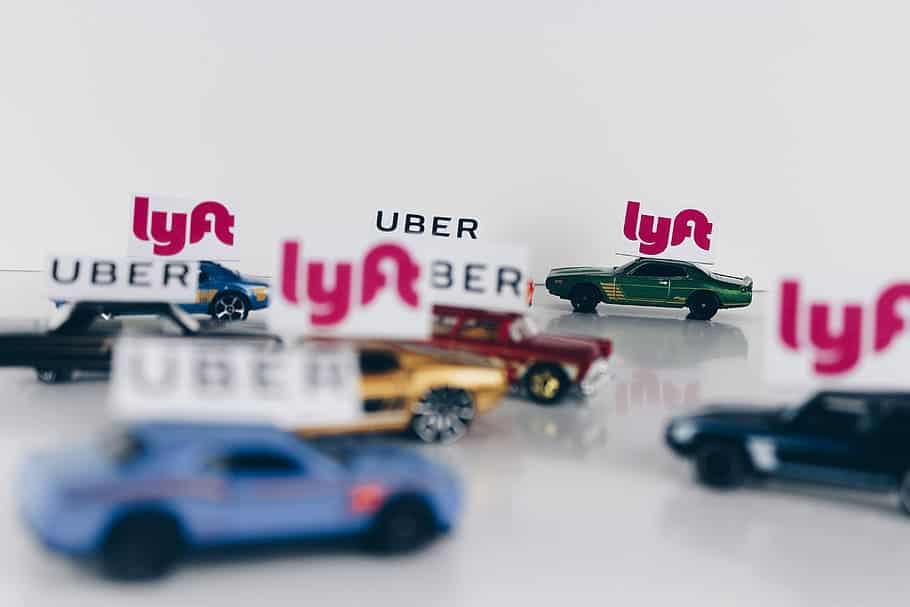
Rising gas prices due to crisis in Ukraine are affecting Uber and Lyft driver’s take-home pay, Bloomberg reports. Drivers, who take on the cost of gas for rides themselves, are reporting that refilling their tanks can take as much as 60% of their take-home pay, up from 10% for some drivers. “I’m barely breaking even and I’m driving a Prius,” Jean said. The US national price of oil had the largest seven day increase in price ever, and yesterday the price surpassed its all-time high of $4.10 a gallon. Uber & Lyft have provided incentives to drivers, such as 25% off gas at participating stations, but drivers signed a petition yesterday calling on Uber & Lyft to take lower percentages of each ride, passing on pay to Drivers, and to increase fares for riders.
The Biden Administration released a report yesterday arguing that a lack of competition in the market harms workers and costs them, on average, 15 to 20% of what they might otherwise make. The Treasury Department’s report is being taken as a strong signal of the direction the Administration is moving in, combining its pro-labor and anti-trust efforts through studying their joint effects. The report lists many ways the employers pursue anti-competitive policies which ultimately allow them to depress wages including non-compete agreements, nondisclosure requirements to dampen wage transparency, no-poaching deals between some companies, the outsourcing of work to contractors, and mergers and acquisitions. The report goes a long way to “explain why pay for a large share of the American work force is barely higher, after accounting for inflation, than it was a half-century ago,” a fact which President Biden often notes in his oral advocacy for workers. “The fact that workers are getting less than they used to is a longstanding problem,” Ms. Stevenson, professor of economics at the University of Michigan.
Minneapolis teachers announced today they would go on strike after an agreement could not be reached with the school district. The union is asking for more competitive salaries for teachers, a starting salary of $35,000 for most education support professionals, recruitment and retainment of educators of color, and enough staff to address students’ mental health needs. The school district has said it is underfunded and facing cuts as enrollment drops. Greta Callahan, who leads the teachers’ chapter of the Minneapolis Federation of Teachers, said, “They continue to look at our proposals and say, ‘These are add-ons that we can’t afford.’ And we’re saying, ‘No, you need to rewrite the whole system and do things differently.’” This is the first time Minneapolis teachers have gone on strike in decades.



Daily News & Commentary
Start your day with our roundup of the latest labor developments. See all
July 24
EEOC drops request for UPenn's Jewish staff; Starbucks defeats mail-in ballots; and Mamdani appoints Lina Khan.
July 23
Ninth Circuit affirms ban of transphobic books in school; leading demographer warns of impending labor shortage.
July 22
EDNY strikes down state labor board law; D.C. Circuit applies Loper Bright to NLRB; Joint employer bill reaches the House floor.
July 21
Fifth Circuit transfers an Anheuser-Busch NLRB case to the Eleventh Circuit; a new report makes the case for tripling union membership.
July 20
New York City weighs banning horse carriages despite union opposition; public defenders go on strike; cinema workers stage walkout.
July 17
Canadian wildfires endanger rail workers; 26 Meta employees allege targeted layoffs for those on paid leave; FIFPRO pushes for more rigorous heat protections for players.