
Jason Vazquez is a staff attorney at the International Brotherhood of Teamsters. He graduated from Harvard Law School in 2023. His writing on this blog reflects his personal views and should not be attributed to the Teamsters.
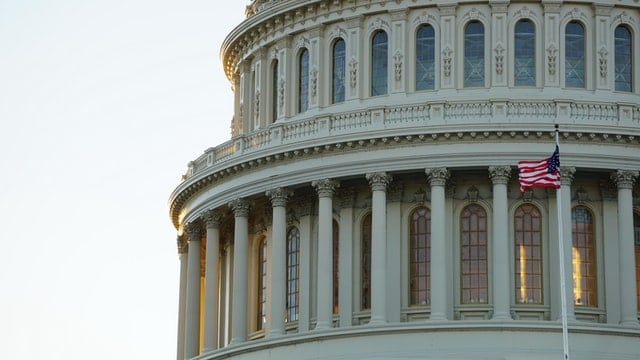
Yesterday, after months of bipartisan negotiations and a grueling weekend of procedural maneuvering, the Senate approved a sweeping $1.2 trillion infrastructure package that will pour hundreds of billions of dollars into rebuilding roads, airports, and railways, upgrading public transit systems, modernizing the power grid, and expanding broadband access.
The legislative success, which some have characterized as the most significant investment in the nation’s infrastructure in decades, appears to vindicate, to some degree, Biden’s campaign posturing that he would prove capable of forging bipartisan consensus in an era of sharp polarization. Yet compromise came at a cost. The GOP managed to extract significant concessions, forcing Democrats to discard the most transformative elements of Biden’s vision to remake the nation’s transit, healthcare, and energy systems. Even so, labor groups voiced support for the package’s passage, which Labor Secretary Marty Walsh described as “great news for workers, families and communities across the nation.”
The bill is projected to pass in the House, though it may encounter resistance. Several members of the Progressive Caucus have indicated that they intend to withhold support for the measure until the Senate approves the separate “big, bold” $3.5 trillion domestic spending package that would reshape the nation’s social safety net. Senate Majority Leader Chuck Schumer (D-NY) moved to preempt this yesterday, assuring those concerned the infrastructure package deals insufficiently with economic inequality and climate change that the Senate is “moving on a second track” to “make a generational transformation in those areas.” Indeed, Senate Democrats approved a framework for the budget bill this morning, igniting what is likely to degenerate into a bitter and protracted legislative struggle.
An EPI report released Tuesday finds that compensation for executives at the country’s largest public firms has soared since the neoliberal consensus crystallized in the late 1970s, dramatically eclipsing income growth for even the top wage earners. The study highlights that, strikingly, executive pay continued to climb during the pandemic, even as millions of working people were plunged into precarity. The country’s grotesque economic inequality — the root of so much sociopolitical dysfunction — is no secret. EPI’s report makes clear that it continues to escalate even in this era of intensifying populist energy on both left and right.





Daily News & Commentary
Start your day with our roundup of the latest labor developments. See all
September 9
Wynn Las Vegas employees allege anti-union retaliation; Amazon faces a class action over pregnancy accommodations; H-1B demand plunges following a six-figure visa fee.
September 8
In today’s News and Commentary, workers and unions across America celebrate Labor Day, California’s SEIU Local 1000 prepares for a strike authorization vote, and New York City creates the Office of Worker Power. On Monday, labor unions and workers gathered in cities across the United States in celebration of Labor Day. Parades and rallies took […]
September 7
Eighth Circuit finds DOL order violates Seventh Amendment; 1,300 workers at Encore Boston Harbor go on strike.
September 6
Encore casino workers strike; President Trump commutes sentence of former Philadelphia IBEW leader; Durham labor activist ends his hunger strike against Amazon.
September 4
NLRB advice memo narrows political protest protections; NLRB asks federal appeals court for deference.
September 3
Seond Circuit rejects a NLRB standard for union insignia in employer dress codes; House Republicans ramp up labor union investigations.