
Fred Messner is a student at Harvard Law School.
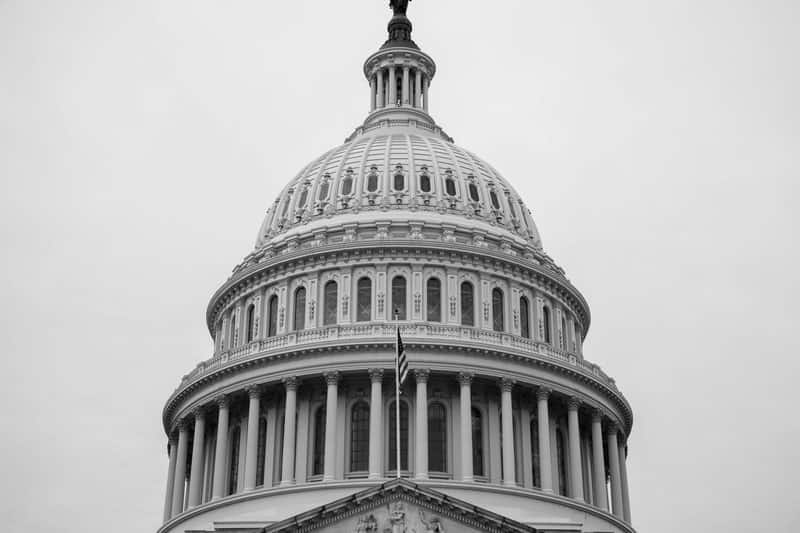
After a weekend of slow but steady procedural advances, the Senate is expected to pass the long-awaited compromise infrastructure bill early this week. As the New York Times explained Monday morning, the bill’s final passage may be delayed until late Monday night unless the chamber can secure unanimous consent to forego the 30 hours of debate required under Senate rules. As of Monday morning, only one Senator—Bill Hagerty (R-TN)—remained opposed to accelerating the process. Although the bipartisan bill dispensed with many crucial administration priorities, it nonetheless attracted enthusiastic support from prominent labor organizations, which have found much to like in the bill’s provision for roads, bridges, rail, public transit, and other built infrastructure projects. Indeed, the past view months have witnessed complementary efforts by both industry and labor groups to advance the legislation. As President Biden put it after a July 22nd summit featuring eight labor and business leaders, “it’s both in the interest of business and labor to get this done.”
Elsewhere on Capitol Hill, Senate Democrats released an outline of the American Families Plan (AFP), the $3.5 trillion antipoverty and climate initiative they intend to advance after the August recess. The American Families Plan, which includes a grab-bag of measures ranging from clean-energy tax incentives to price-reduction policies for prescription drugs to mild immigration reforms, would have to secure unanimous support from the Democratic caucus in the Senate, as no Republican legislators have signaled openness to the wide-ranging package. In a letter to the caucus shared on Monday morning, Majority Leader Chuck Schumer indicated that the Senate would not adjourn for its August recess until it passed both the bipartisan infrastructure bill and the budget outline for the AFP.
Finally, The American Prospect published a deep look into the legal status, wages, and working conditions of warehouse workers across the country. Throughout the “archipelago” of warehouses scattered across the continental United States, the Prospect explained, as many as four million workers are paid wages under $20 per hour for backbreaking work that has only become more dangerous as the pandemic has worn on. Among the many factors driving abusive conditions is warehouse owners’ use of staffing companies to secure contingent, precarious workers who can be classified as “temporary” even as they fill roles indistinguishable from full-time employment. Because the warehouses do not technically employ these workers, they have no legal obligation (and perceive no moral or fair-dealing obligation) to provide them with benefits or job security. Moreover, under the prevailing interpretation of the NLRA, unionization would be of only limited use, as the warehouse owners would likely not be considered joint employers with a duty to bargain with workers formally employed by a third-party staffing company. The entire article is worth reading in full—both for its portrait of warehouse labor and its analysis of the legal infrastructure that facilitates such abusive structures.



Daily News & Commentary
Start your day with our roundup of the latest labor developments. See all
November 19
Harvard academic workers end strike without contract; Reuters journalists authorize a strike; Spirit Airlines’ sale of employee data to Google for AI training approved.
November 18
Judge vacates foreign-student visa limits; DOL proposes QPAM relief; Supreme Court declines Nexstar appeal.
November 17
Amazon workers in Canada win company's first union contract in North America; NY law gives employees access to personnel records; D.C. Circuit looks to overturn Trump joint employer rule
November 16
FMCSA ordered to disburse $73 million in withheld highway funds to New York; Department of Labor final rule regarding large union financial disclosures issued six years after initial withdrawal is upheld; Department of Labor issues enforcement alert for physician ghost networks maintained by health plans.
November 15
Unions oppose Chuck Schumer for Senate Majority Leader; Rockstar staff vote on unionization ahead of Grand Theft Auto VI’s release; New Jersey Education Association faces federal investigation.
November 12
Harvard graduate students go on strike; New York city mayor prepares to negotiate with the city's largest public union; the Trump administration proposes stringent rules for workers seeking benefits.