
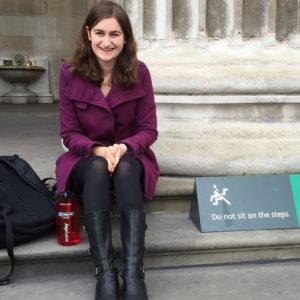
Rachel Sandalow-Ash is a student at Harvard Law School and a member of the Labor and Employment Lab.
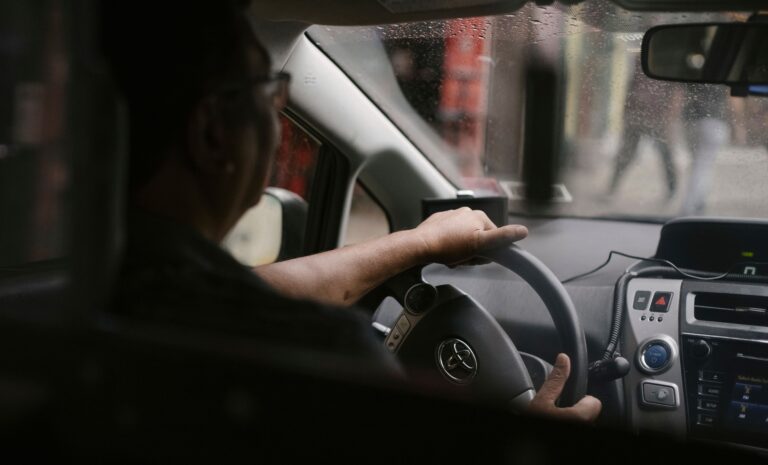
New York State’s Unemployment Insurance Appeal Board ruled that Uber drivers are employees, rather than independent contractors, for purposes of unemployment insurance and benefits. The Board wrote that “credible evidence establishes that Uber exercises sufficient supervision, direction or control over the three claimants [in this case] and other similarly situated drivers,” such that they should be classified as employees. The New York Taxi Workers Alliance celebrated this decision — which both ensures that uber drivers can obtain unemployment benefits if they are laid off and requires Uber to pay unemployment insurance — as a “historic victory.” The Insurance Appeal Board’s decision, like a recent California Supreme Court case, provides precedent for uber drivers and other gig economy workers hoping to be classified as employees for all purposes at both the state and federal level. Uber is considering whether it will appeal the Insurance Appeal Board’s decision in state court.
NPR reports on the right-wing anti-worker groups — such as the Mackinac Center, the Freedom Foundation, and Americans for Prosperity — that are pressuring teachers and other public sector workers to drop their union membership following the Janus Decision. The Dick and Betsy DeVos family foundation (i.e. the U.S. Secretary of Education’s family foundation) is a major contributor to the Mackinac Center, although Secretary DeVos resigned her position on the board of the foundation before her confirmation. Randi Weingarten, president of the American Federation of Teachers, reports that while a handful of AFT members have dropped their membership, many more are sticking with their union and are newly energized by anti-worker attacks.
The New York Times reports on a new study showing that workers at a New Zealand company became more productive after the company moved its employees from a 40-hour to a 32-hour workweek while keeping salaries constant. This study aligns with other research demonstrating that employees can complete the same amount of work during shorter workweeks as they do during longer workweeks, since employees with shorter workweeks come to work better rested and better able to focus on the job. Despite these results, Americans work more hours and have fewer vacation days than residents of other advanced economies.
In Labor Notes, Eve Ottenberg writes about Fan Shigang’s new book, Striking to Survive, which describes three recent manufacturing workers’ strikes in China’s Pearl River Delta. Workers in China organize thousands of strikes per year — the highest number out of any country in the word — and both businesses and the government employ brutal tactics to repress these actions. Most recently, workers in the Pearl River Delta are striking to prevent factory relocations. These workers are also calling for higher pay; shorter work hours; pension contributions; job security; better treatment on the job; and labor law reform.


Daily News & Commentary
Start your day with our roundup of the latest labor developments. See all
September 10
Amazon workers allege pregnancy discrimination; federal unions challenge USDA reorganization; NYC warns of silicosis risks.
September 9
Wynn Las Vegas employees allege anti-union retaliation; Amazon faces a class action over pregnancy accommodations; H-1B demand plunges following a six-figure visa fee.
September 8
In today’s News and Commentary, workers and unions across America celebrate Labor Day, California’s SEIU Local 1000 prepares for a strike authorization vote, and New York City creates the Office of Worker Power. On Monday, labor unions and workers gathered in cities across the United States in celebration of Labor Day. Parades and rallies took […]
September 7
Eighth Circuit finds DOL order violates Seventh Amendment; 1,300 workers at Encore Boston Harbor go on strike.
September 6
Encore casino workers strike; President Trump commutes sentence of former Philadelphia IBEW leader; Durham labor activist ends his hunger strike against Amazon.
September 4
NLRB advice memo narrows political protest protections; NLRB asks federal appeals court for deference.