
Kaitlin Knocke is a student at Harvard Law School and a member of the Labor and Employment Lab.
In today’s news and commentary, former Amazon warehouse workers allege widespread pregnancy discrimination, federal employee unions renew their challenge to the USDA’s planned reorganization, and New York City health officials warn of severe silicosis among engineered stone workers.
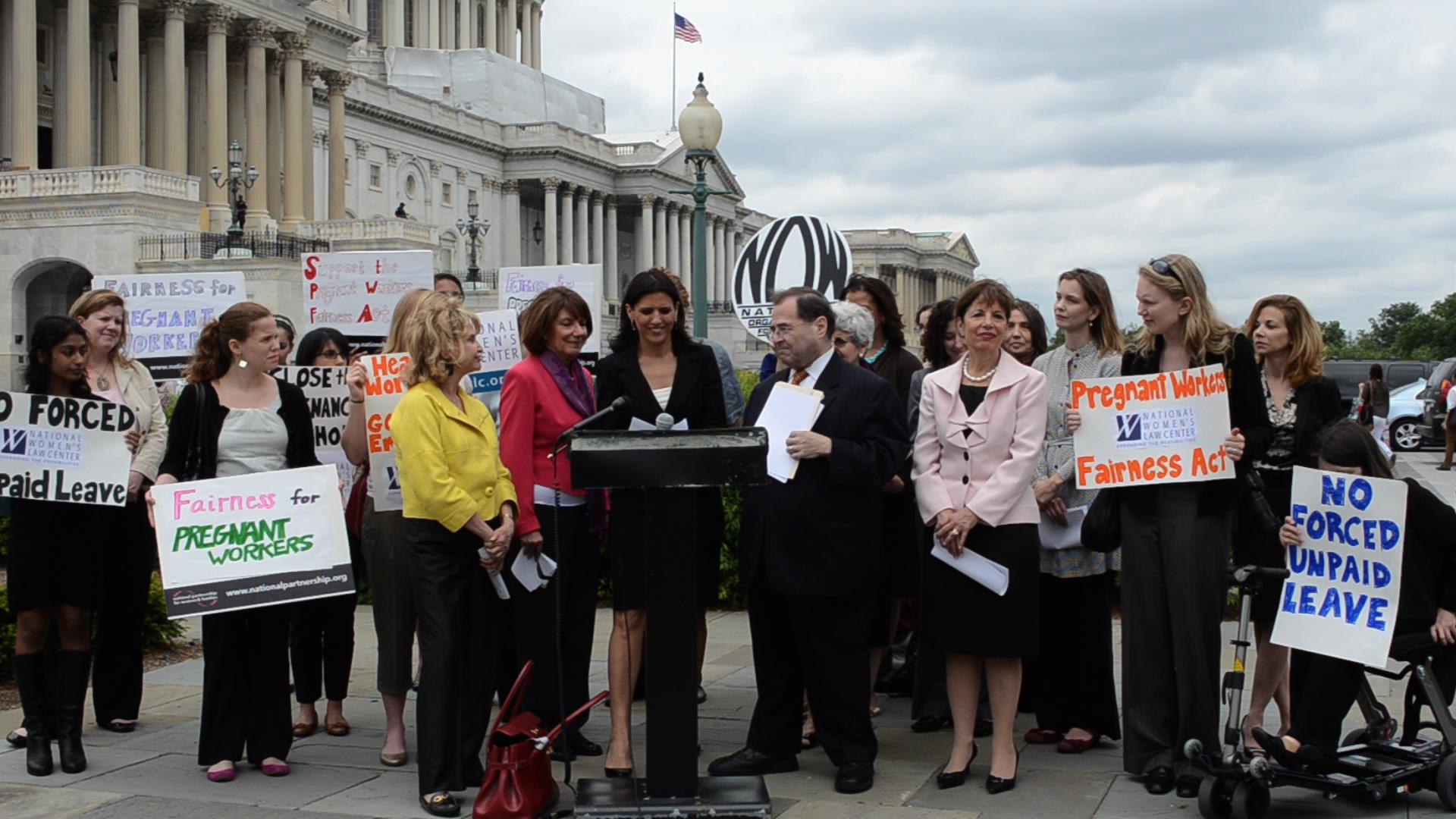
On Tuesday, four former Amazon warehouse workers filed a proposed nationwide class action alleging that the company discriminates against pregnant employees by denying accommodations and penalizing pregnancy-related absences. The complaint, filed in the Eastern District of New York, alleges that Amazon denied accommodations including chairs, additional bathroom and water breaks, modified duties, and time off for prenatal appointments. The workers also allege that Amazon penalized pregnancy-related absences and required medical documentation for some accommodation requests, in violation of the federal Pregnant Workers Fairness Act and New York law. Amazon disputes the allegations and says it approved more than 99.9% of pregnancy-related accommodation requests over the past year.
Also on Tuesday, four federal employee unions filed a new lawsuit in the Northern District of California seeking to halt the Trump Administration’s planned reorganization of the Department of Agriculture (USDA). As Finlay reported in July, the unions previously challenged the plan as part of broader litigation over the Administration’s restructuring of the federal workforce. Earlier this month, Judge Susan Illston ruled that the challenge to USDA’s reorganization should proceed separately, prompting AFGE, AFSCME, NFFE, and NTEU to file the new action. The unions argue that the plan, which would relocate more than half of USDA’s Washington-area workforce, violates the Administrative Procedure Act and is proceeding without required congressional approval.
Finally, the New York City Department of Health issued an advisory warning of acute and accelerated silicosis among workers exposed to engineered stone last Thursday. Health officials have identified at least seven suspected cases among engineered stone workers in New York State, including one recent death in New York City. Engineered stone can contain more than 90% crystalline silica, and workers who cut, grind, or polish the material may inhale silica dust that can cause silicosis and other serious illnesses. The advisory urges medical providers to identify workers with relevant occupational exposure and report suspected cases. While there is no national system for tracking silicosis cases, the California Department of Public Health estimates that roughly 100,000 U.S. stone fabrication workers have potentially been exposed to high levels of respirable crystalline silica.

Daily News & Commentary
Start your day with our roundup of the latest labor developments. See all
October 13
Chicago hotel workers remain on strike; a coalition of Democratic states sues the Labor Department over canceled unemployment insurance grants; the Federal Labor Relations Authority establishes a new mediation framework for federal worker disputes.
October 12
Workers at the Obama Foundation begin organizing; MLB submits its latest collective bargaining agreement proposal; Brigham & Women's nurses postpone strike.
October 11
UAW President Shawn Fain succeeds in his reelection bid, and Spanish unions call for a general strike.
October 9
DHS proposes a $100k fee for the foreign grad employment program; Trump suspends tech company access to green card program; and private equity perpetuates poor working conditions for home care workers.
October 8
NLRB judge finds UPS unlawfully restricted union insignia; Harvard graduate workers authorize second strike; OSHA orders Union Pacific to pay $300,000 in damages in whistleblower case.
October 7
DOL scraps plan to remove decades-old wage-and-hour guidance from federal regulations; New York enacts personnel records access law; Starbucks loses bid to dismiss Workers United trademark suit.