

On Friday, fifteen civil and human rights leaders published a letter to José Muñoz, chairman of Nissan North America, urging him to allow workers at the Nissan plant in Canton, Mississippi to organize through a free and fair union election. The signatories, including Vanita Gupta, formerly of the U.S. Department of Justice Civil Rights Division, urged Muñoz “to accord [Canton’s] workers the same dignity and respect that Nissan workers are provided everywhere else in the world.” OnLabor senior contributor Sharon Block has written about the ongoing struggle to unionize the Nissan plant workers, including allegations of unfair and unlawful treatment on the part of Nissan.
Also on Friday, Alexander Acosta addressed the American Legislative Exchange Council (ALEC) an organization “dedicated to the principles of limited government, free markets and federalism.” Acosta addressed (video) a number of issues including the employer/employee ‘skills gap’, and supporting efforts to reduce or eliminate occupational licensing requirements.
The Washington Post reports that Lyft is seeking to pilot self-driving cars in Boston by the end of this year. Lyft is trying to keep pace with Uber’s own self-driving car program in Pittsburgh, Pennsylvania. As the technology needed for self-driving cars is refined it is unclear what will happen to new gig economy drivers. Lyft “insisted that its human drivers will continue to play a role as Lyft ramps up its commitment to self-driving vehicles. Officials said that in the future, drivers may turn into assistants for elderly passengers, or become in-car baristas and concierges.”
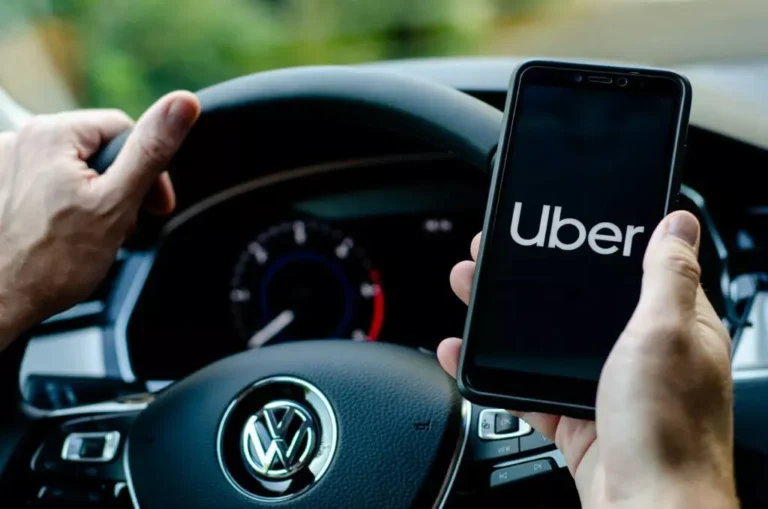
On the heels of Uber firing twenty employees due to claims of workplace misconduct and sexual harassment, the New York Times looks at how non-disparagement agreements are contributing to a culture of secrecy around workplace sexual harassment, especially in the tech start-up world.



Daily News & Commentary
Start your day with our roundup of the latest labor developments. See all
December 22
Worker-friendly legislation enacted in New York; UW Professor wins free speech case; Trucking company ordered to pay $23 million to Teamsters.
December 21
Argentine unions march against labor law reform; WNBA players vote to authorize a strike; and the NLRB prepares to clear its backlog.
December 19
Labor law professors file an amici curiae and the NLRB regains quorum.
December 18
New Jersey adopts disparate impact rules; Teamsters oppose railroad merger; court pauses more shutdown layoffs.
December 17
The TSA suspends a labor union representing 47,000 officers for a second time; the Trump administration seeks to recruit over 1,000 artificial intelligence experts to the federal workforce; and the New York Times reports on the tumultuous changes that U.S. labor relations has seen over the past year.
December 16
Second Circuit affirms dismissal of former collegiate athletes’ antitrust suit; UPS will invest $120 million in truck-unloading robots; Sharon Block argues there are reasons for optimism about labor’s future.