
Otto Barenberg is a student at Harvard Law School and the former Digital Director of OnLabor.
In today’s news and commentary, journalists at The Athletic push to unionize, Dartmouth basketball players give up their union bid, and businesses sue California over its ban on captive audience meetings.
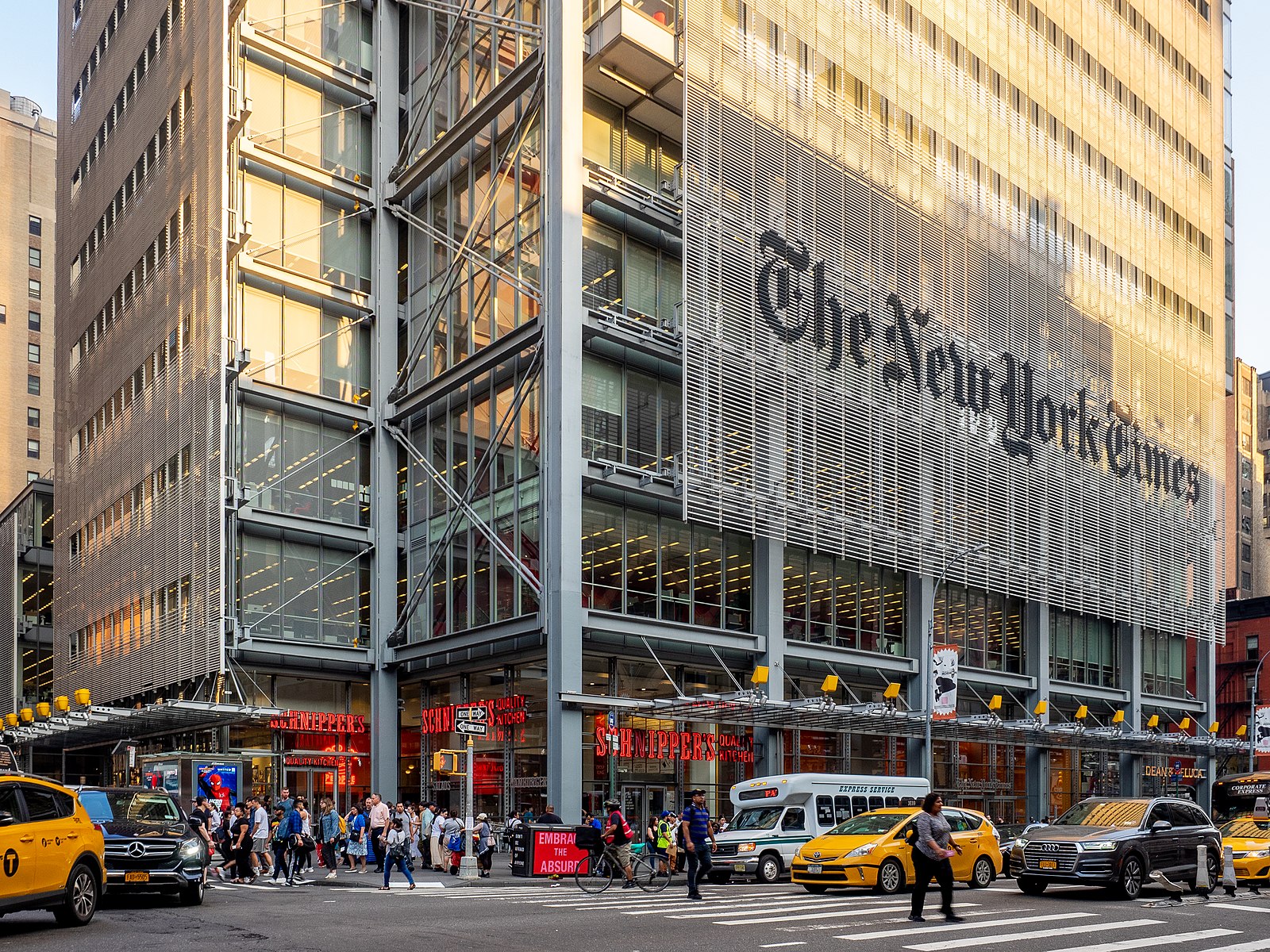
Journalists at The Athletic, the New York Times-owned sports journalism outlet, signed union cards and asked to join the Times Guild on Monday. The Guild, which represents 1500 reporters and editorial staff across the main newsroom, would be buttressed by 200 editorial staff at The Athletic if the Times opts to accept their union bid. If not, Athletic staff could bring an NLRB challenge or call for a union election. Katie Strang, a senior investigative writer for The Athletic, said in a statement: “We’re paid by the Times; we get our health insurance from the Times; our work appears on all Times platforms. We do journalism for the New York Times, and we believe we should have the same rights and protections as the Times Guild folks.”
The Times’ 2022 acquisition of The Athletic — a $550 million deal — has been marked by substantial controversy. The Times’ shuttered its own sports desk and The Athletic laid off 20 writers as the newsrooms integrated, generating substantial backlash from Times‘ employees. The Times Guild has an outstanding grievance — still pending — against the newspaper for unilaterally replacing union work with nonunion work.
Following a historic regional NLRB decision recognizing Dartmouth basketball players’ right to unionize, a 13-2 union vote last March, and the university’s continued refusal to bargain, the players suddenly ended their union push last week. SEIU Local 560 withdrew its NLRB petition over concerns that the incoming Trump Board could set a damaging precedent if the team continued to press its union bid. “By filing a request to withdraw our petition today, we seek to preserve the precedent set by this exceptional group of young people on the men’s varsity basketball team,” local president Chris Peck said in a statement. The decision marks an abrupt end to the Dartmouth basketball saga — but not the college athletics labor movement. A pending complaint against USC alleges the university’s basketball and football players are misclassified as student-athletes, rather than employees.
California business groups, including the state’s Chamber of Commerce and Restaurant Association, filed suit in federal court to halt enforcement of the state’s ban on captive audience meetings. The law, which prevents employers from holding compulsory anti-union meetings — and from disciplining workers who refuse to attend — was passed in September and went into effect on January 1. The lawsuit claims the ban violates the First Amendment and is preempted by federal labor law. (See Ben’s post for an analysis of the preemption issues raised by state captive audience bans.) In November, the Biden Board issued a blockbuster decision outlawing captive audience meetings. Given that a Trump Board reversal is likely, state captive audience bans are set to remain a key battleground for employer and worker advocates alike.





Daily News & Commentary
Start your day with our roundup of the latest labor developments. See all
October 18
Federal judge again halts cancellation of the Bureau of Prisons’ CBA; tabletop gaming workers face roadblocks in union recognition.
October 16
Department of Labor reduces wage-and-hour enforcement at unionized workplaces; Fain's victory poses question of federal monitor's extension.
October 15
New reporting examines the rollback of child labor protections; California tries to block a strike; NLRB charges Wisconsin mental health provider with firing workers during union drive.
October 14
Eleventh Circuit overturns ERISA exhaustion rule; DHS finalizes removal of automatic renewal for work permits; AFGE challenges SSA over flexible scheduling policy.
October 13
Chicago hotel workers remain on strike; a coalition of Democratic states sues the Labor Department over canceled unemployment insurance grants; the Federal Labor Relations Authority establishes a new mediation framework for federal worker disputes.
October 12
Workers at the Obama Foundation begin organizing; MLB submits its latest collective bargaining agreement proposal; Brigham & Women's nurses postpone strike.