
Otto Barenberg is a student at Harvard Law School and the former Digital Director of OnLabor.
In today’s news and commentary, California bans captive audience meetings; the AFL-CIO warns lawmakers not to intervene in Longshoremen port dispute; and the NLRB avoids making new law.
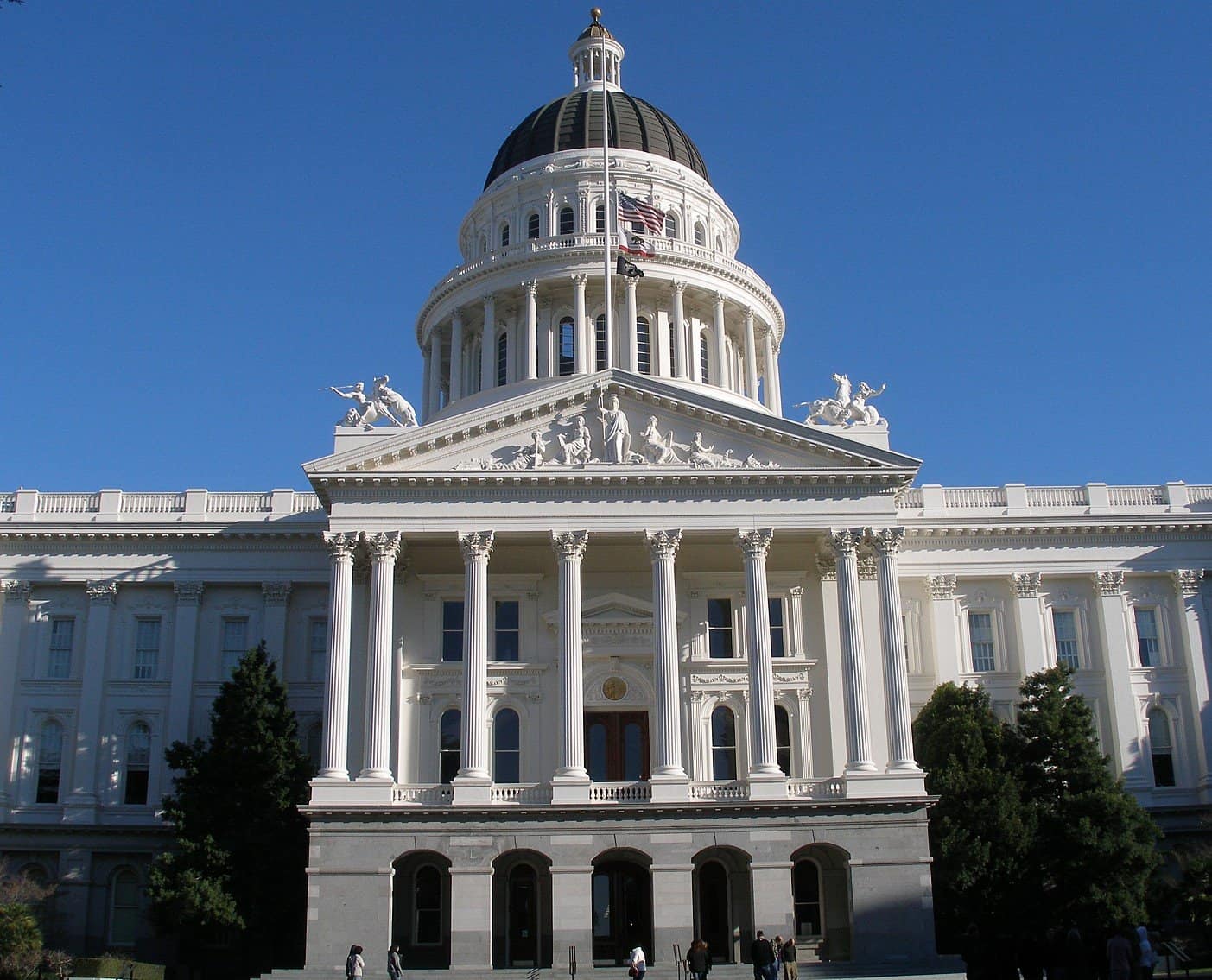
On Friday, California Governor Gavin Newsom signed a bill outlawing captive audience meetings—compulsory anti-union sessions convened by employers during work hours. The tenth such state-level ban, the California law empowers the state’s labor commissioner to fine employers $500 for “subjecting, or threatening to subject, an employee to discharge, discrimination, retaliation, or any other adverse action” for refusing to participate in anti-union meetings. “Captive audience meetings disrupt the balance of power by forcing workers to attend meetings unrelated to their jobs, often under threat of retaliation,” said State Senator Aisha Wahab, the bill’s sponsor. “This bill ensures employees can focus on their work without coercion, creating a fairer and more respectful environment.” Captive audience meetings remain permissible under federal labor law and employers’ go-to anti-union tactic. Between 2016 and 2021, for instance, 85 percent of employers that mounted anti-union campaigns held captive audience meetings.
AFL-CIO President Liz Shuler told federal lawmakers to stay out of a labor dispute between the International Longshoremen’s Association (ILA) and the U.S. Maritime Alliance. As Luke reported last week, 45,000 ILA members are set to strike on October 1, following a breakdown in contract negotiations with East and Gulf Coast port operators. In a letter addressed to Congressional Republicans, Shuler denounced GOP lawmakers for calling on President Biden to forcibly stop a strike, arguing the mere suggestion of a federal injunction would impede negotiations. “History tells us that when companies can count on an injunction against a strike, they do not negotiate in good faith to reach an agreement,” she said. Republican lawmakers’ statement “makes a deal less likely and a strike all the more likely.”
Last week, the National Labor Relations Board (NLRB) again declined to abandon Bush- and Trump-era precedents teed up by the Board’s General Counsel. The NLRB upheld an administrative law judge’s determination that, in refusing to hire workers on the basis of their union activity, ARK Fabricators, Inc. violated federal labor law. But the Board rebuffed the General Counsel’s attempt to overturn four precedents: Toering Electric (2007), which reduced hiring protections for union organizers; Oil Capitol Sheet Metal (2007), which circumscribed the remedies available to union organizers discharged for union activities; Electrolux Home Products (2019), which raised the bar for proving an employer’s unlawful motive in taking adverse action against a worker; and United Site Services of California (2020), which limited admissible evidence of employer animus. In upholding the administrative law judge’s findings, the Board said overturning Electrolux or United Site Services was unnecessary, but didn’t explain its rationale for maintaining Toering Electric and Oil Capitol. Despite the Board’s 3-1 Democratic majority and activist General Counsel, the Biden Board has issued only one precedential decision in the past year—a ruling ending unilateral consent orders.





Daily News & Commentary
Start your day with our roundup of the latest labor developments. See all
October 18
Federal judge again halts cancellation of the Bureau of Prisons’ CBA; tabletop gaming workers face roadblocks in union recognition.
October 16
Department of Labor reduces wage-and-hour enforcement at unionized workplaces; Fain's victory poses question of federal monitor's extension.
October 15
New reporting examines the rollback of child labor protections; California tries to block a strike; NLRB charges Wisconsin mental health provider with firing workers during union drive.
October 14
Eleventh Circuit overturns ERISA exhaustion rule; DHS finalizes removal of automatic renewal for work permits; AFGE challenges SSA over flexible scheduling policy.
October 13
Chicago hotel workers remain on strike; a coalition of Democratic states sues the Labor Department over canceled unemployment insurance grants; the Federal Labor Relations Authority establishes a new mediation framework for federal worker disputes.
October 12
Workers at the Obama Foundation begin organizing; MLB submits its latest collective bargaining agreement proposal; Brigham & Women's nurses postpone strike.