
Amy L. Eisenstein is a student at Harvard Law School and a member of the Labor and Employment Lab.
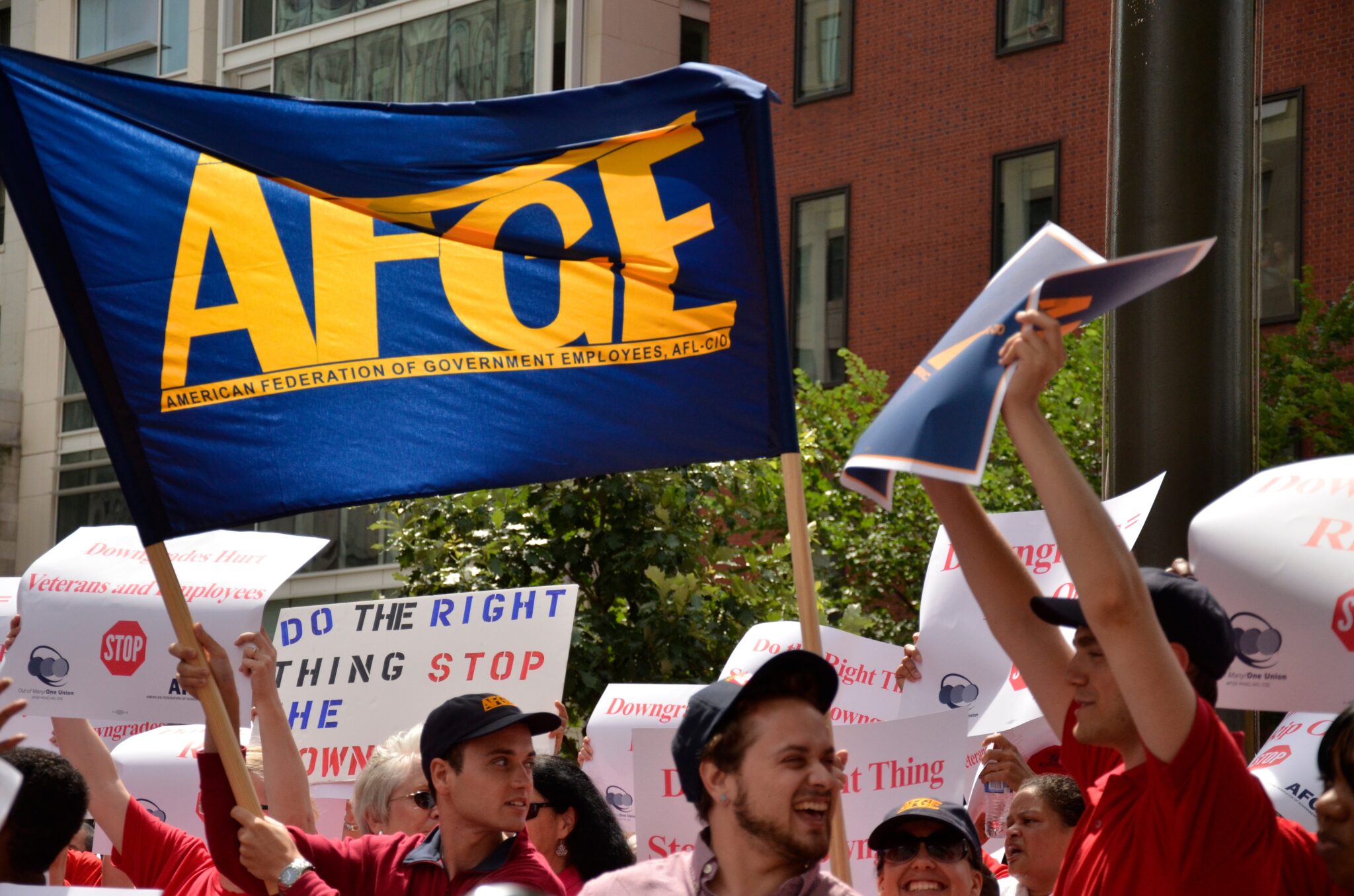
In a prior post, I argued that President Trump’s Merit Hiring Plan may violate the First Amendment. This week, several unions — the American Federation of Government Employees, the American Federation of State, County & Municipal Employees, and the National Association of Government Employees — raised the same concern. As Law360 reports, on November 18, the coalition of unions sought a preliminary injunction in the District of Massachusetts to block federal agencies from asking the “Loyalty Question,” or Question #3, in federal civil service hiring. The question asks: “How would you help advance the President’s Executive Orders and policy priorities in this role? Identify one or two relevant Executive Orders or policy initiatives that are significant to you, and explain how you would implement them if hired.”
The unions argue that the question violates the First Amendment because it conditions federal employment on political allegiance, promotes viewpoint discrimination, compels speech, chills speech, and fails strict scrutiny. My post supplements these arguments by suggesting that all four of the Plan’s questions, when read together, could “coerce” applicants to make “associational choices” to get their desired job, which the Supreme Court’s First Amendment precedent expressly forbids.




Daily News & Commentary
Start your day with our roundup of the latest labor developments. See all
October 22
SCOTUS declines Wilcox appeal; Penn State research assistants win bargaining rights; SEIU sued over military leave firing.
October 21
DOL withdraws tipped-worker rule; Instacart settles hiring-bias claims; Phillips 66 locks out New Jersey refinery workers.
October 20
Korean unions oppose labor exemption bill; Portland city workers prepare for strike; UPenn grad student union looks to dismiss university filing
October 19
FDA reverses course on policy prohibiting off-duty union activity; FAA and NATCA reach deal to secure pay increase for air traffic controllers.
October 18
Federal judge again halts cancellation of the Bureau of Prisons’ CBA; tabletop gaming workers face roadblocks in union recognition.
October 16
Department of Labor reduces wage-and-hour enforcement at unionized workplaces; Fain's victory poses question of federal monitor's extension.