Jon Levitan is a student at Harvard Law School and a member of the Labor and Employment Lab.
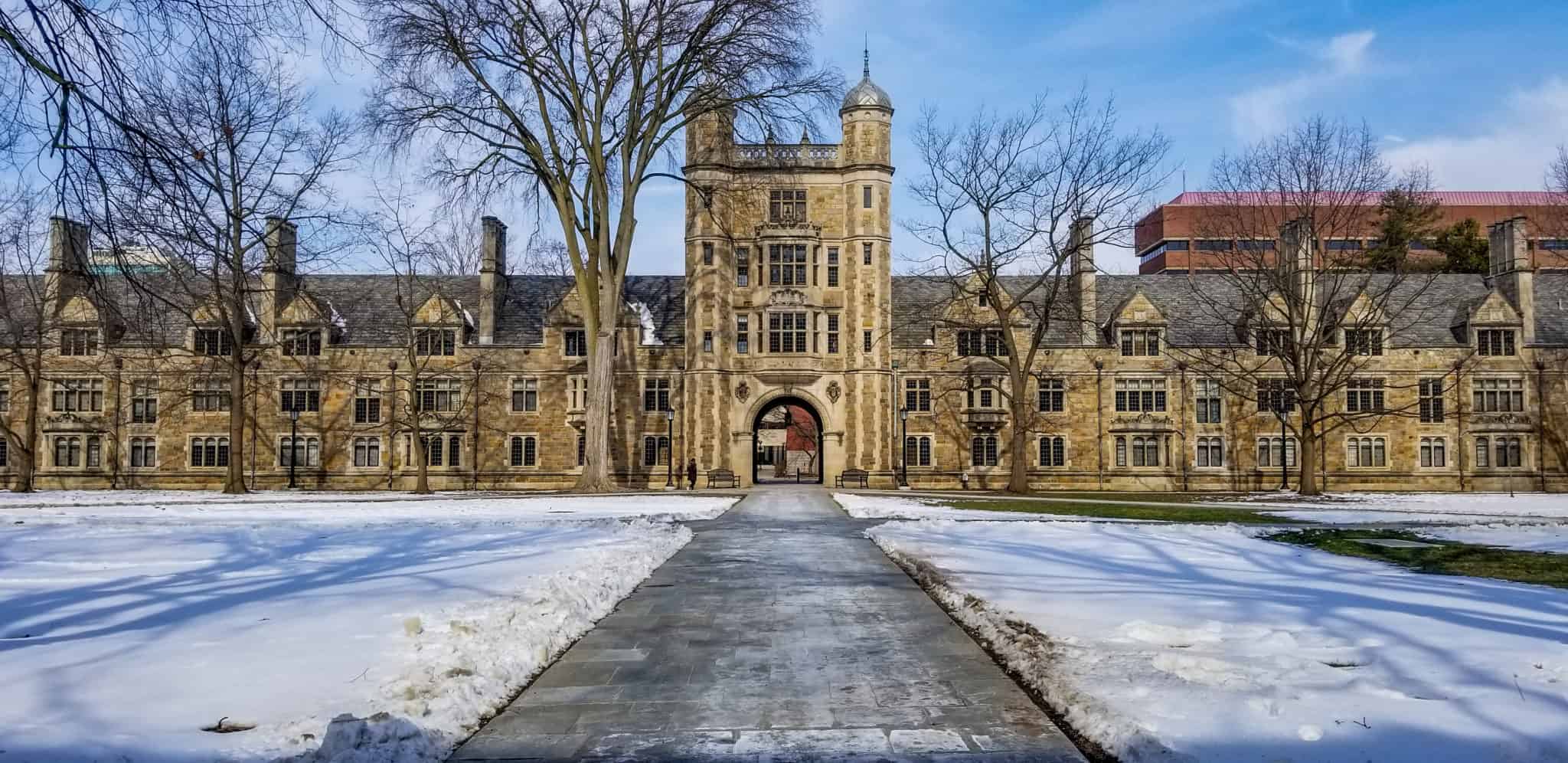
Randon wrote yesterday about a graduate student worker strike at the University of Kansas and now another student worker strike has begun at another major public university that is holding in-person instruction during the pandemic, and the union is explicitly tying anti-police demands to its labor struggle. Today, graduate student workers at the University of Michigan will go on a health & safety strike after 79 percent of their membership voted to stop work. The strike is illegal under both the contract the Graduate Employee Organization (GEO) ratified in April and state law, but the GEO will push ahead regardless with a strike through the end of the week. The strike can be extended past Friday, its current deadline, if the University does not meet its demands for a “safe and just campus for all.” The GEO’s demands include COVID-specific asks, like a universal right to work from home for all student workers and an unconditional emergency grant of $2,500 for all workers, but also anti-policing demands, including a demand that Michigan cut funding to its campus police department and sever all ties with the Ann Arbor Police and ICE.
Yesterday was Labor Day, and the holiday prompted a series of reflections on the state of the politics of work. Steven Greenhouse lambasted “anti-union progressives” – institutions like Brooklyn Friends School, who Jacob wrote about last month, and other employers who espouse progressive values while seeking to undermine their workers’ unions or stop union drives entirely. Greenhouse also highlighted a series of universities and non-profits who are allegedly committed to progressive values and yet undermine their workers’ ability to take collective action. Georgetown Labor History Professor Joseph McCartin told Greenhouse that “[w]e need these institutions not just to recognize the right of workers to organize unions, but also to recognize the centrality of the labor movement and of worker organizations to any progressive agenda in the future.”
For Teen Vogue, Kim Kelly laments the commercialization of Labor Day, and the very fact that we celebrate Labor Day in September. “For many workers,” Kelly writes, “especially those in the fast food and restaurant industries, where businesses seldom close on federal holidays, and independent contractors, Labor Day is just another day on the clock. So much for being celebrated.” Kelly goes on to explain that May 1, or May Day, is “the true workers’ holiday,” since it memorializes the workers executed after the Haymarket affair in 1886. The US government’s reaction to left-wing movements choosing May 1st as international workers’ day: creating a fake holiday known as “Americanization Day” or “Loyalty Day” (during the second Red Scare).
Finally, Melissa Chen of The Nation has a report detailing how comprehensively the NLRB has failed workers and unions. Much of the report will be familiar to readers of this blog, but Chen is able to speak to career NLRB staffers, all of whom requested anonymity to prevent retaliation, who offer a window into the agency. One staffer “said she has observed unions opting to settle to avoid triggering an unfavorable ruling. Unions, she said, ‘are just less likely to turn to us because they…don’t want to create bad law.’” Chen points to graduate student workers as one example of a union avoiding the board in order to prevent the creation of bad law, as many unions pulled petitions to avoid the Board reversing its 2016 Columbia decision defining graduate student workers as employees under the NLRA. The NLRB, faced with the unions’ tactic, simply initiated a rulemaking instead (the final rule is expected soon). Chen quotes another NLRB staffer who sums up the state of the agency: “There’s a host of decisions that have come out that are destructive of workers’ rights, and it’s an extremely sad time to be at this agency and work here…[t]he only hope is that [the administration] will turn before too much damage is done.”





Daily News & Commentary
Start your day with our roundup of the latest labor developments. See all
September 21
In today’s News and Commentary, the Seventh Circuit raises the bar for the NLRB to obtain preliminary injunctions, the California Primary Care Association sues SEIU-UHW for racketeering, and the Seventh Circuit finds that an employer group and think tank do not have standing to challenge an Illinois law banning captive audience meetings. On Friday, the […]
September 20
Culinary Workers Union members protests union leadership; lawsuit against OpenAI and Microsoft reveal internal concerns about the threat of AI training to human labor.
September 17
Unions push to block Google from buying Spirit Airlines employment records; U.S. Department of Labor sues Oklahoma coffee chain over alleged wage violations.
September 16
Trump nominates Catherine Eschbach as EEOC general counsel; NLRB declines to resolve union work-assignment dispute; Allina Health physicians begin four-day strike.
September 15
Documents reveal the inner workings of Amazon's union avoidance program; Washington state public sector unions reach tentative deals amid a difficult bargaining cycle; hundreds of Nevada Culinary Union members protest their union's health care changes.
September 14
NCAA and Big Ten file motion to dismiss in former star player's NIL suit; Seventh Circuit rules against former postal worker in discrimination suit.