
Randon Herrera is a student at Harvard Law School.
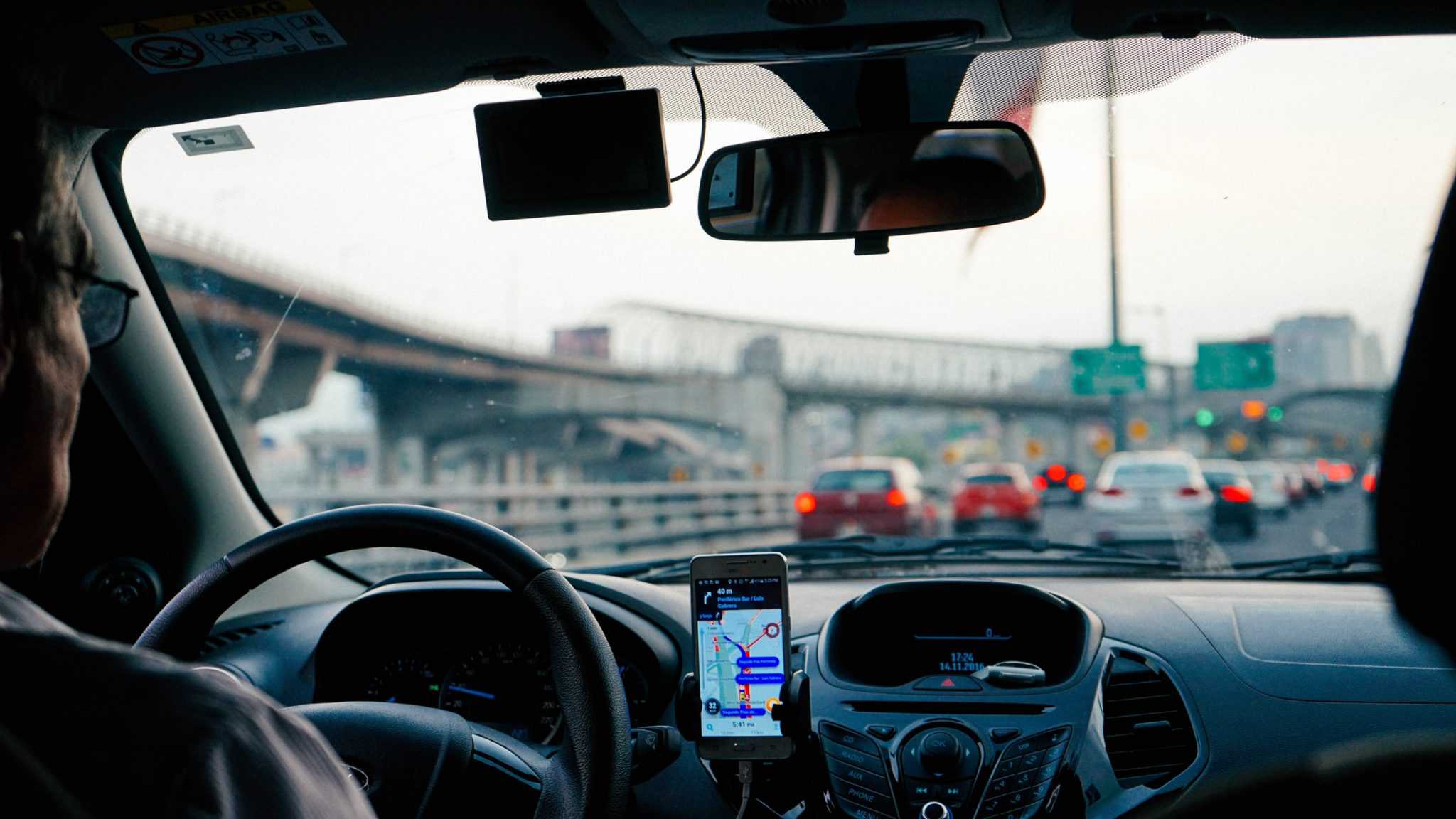
Rideshare companies Uber and Lyft have announced plans to provide funds for drivers affected by coronavirus. According to The Hill, an Uber spokesperson stated on Friday that the rideshare company will make funds available to drivers infected or quarantined due to the virus to make up for up to 14 days of lost revenue. Though details have not been released, Lyft stated on Sunday that it would provide similar compensation to its drivers. DoorDash and Instacart are also reportedly considering providing funds to their drivers.
This past Thursday, the Department of Homeland Security announced intentions to make available an additional 35,000 H-2B temporary nonagricultural worker visas for fiscal year 2020. Of these visas, DHS has stated that 10,000 will be set aside for nationals of Guatemala, El Salvador, and Honduras. Additionally, DHS also stated that it will be implementing anti-fraud and abuse measures in the administration of the visas, including by: requiring matching start dates on H-2B petitions and employer’s stated date of start, collaborating with the Department of Labor on increased employer site visits, and generally limiting visas to returning workers “who are known to follow immigration law in good faith.”
On Sunday, Virginia passed a bill that would end the state’s ban on public sector collective bargaining. Though this bill gives local government workers the right to collectively bargain if their locality opts in, it does not mandate that localities opt in, reports the Washington Post. A mandate was passed by the Virginia House but did not make it through the Senate. Some fear that the bill will not have a significant effect since there is nothing compelling localities to allow collective bargaining. Prior to this enactment, Virginia was one of three states, along with North and South Carolina, with an outright ban on public sector collective bargaining.
A new law was just passed in New Mexico, banning pregnancy employment discrimination. Bloomberg Law reports that the new law makes it illegal for employers to discriminate against employees due to pregnancy, childbirth, or other related conditions. The law requires employers to make “reasonable accommodations” to women who are pregnant or have recently given birth. The law also makes pregnancy and recent childbirth protected classes under the state’s Human Rights Act.




Daily News & Commentary
Start your day with our roundup of the latest labor developments. See all
October 25
Dallas Cowboys Cheerleaders unionize; Bureau of Prisons again pushes for union contract cancellation; CSU faculty votes on strike authorization.
October 23
Employers increasingly shift health care costs onto workers and NYC proposes placing restrictions on fully automated customer service.
October 22
SCOTUS declines Wilcox appeal; Penn State research assistants win bargaining rights; SEIU sued over military leave firing.
October 21
DOL withdraws tipped-worker rule; Instacart settles hiring-bias claims; Phillips 66 locks out New Jersey refinery workers.
October 20
Korean unions oppose labor exemption bill; Portland city workers prepare for strike; UPenn grad student union looks to dismiss university filing
October 19
FDA reverses course on policy prohibiting off-duty union activity; FAA and NATCA reach deal to secure pay increase for air traffic controllers.