
Jacob Denz is a student at Harvard Law School
Senate Republicans are prioritizing immunity for businesses whose workers or customers contract COVID-19 as their top priority for the next round of stimulus legislation, The New York Times reports. Business groups such as the U.S. Chamber of Commerce and the National Association of Manufacturers support immunity, warning that litigation could bankrupt firms or dissuade them from reopening. Labor unions including the United Steelworkers, United Farm Workers, Teamsters, and American Federation of Teachers, as well as Senate Democrats such as Elizabeth Warren, have countered that the real threat to economic confidence comes from immunity itself, which tells workers and the public that returning to places of business is not safe. So far, the number of COVID-19-related lawsuits concerning conditions of employment has been minuscule, with most litigation instead focused on insurance coverage, prisoner and detainee petitions, and civil rights. Suits against businesses have focused on nursing homes, meatpacking plants, cruise ships, and other COVID-19 “hotspots.”
Such hotspots now include Florida towns like Immokalee that are inhabited largely by migrant workers, APNews details. Florida’s overall increase in reported COVID-19 cases has come since the state lifted many social distancing restrictions over the course of the past month, but the increase is also likely a function of expanded availability of testing. The high rate of infection in towns like Immokalee is striking due to their rural situation and relative remoteness from major airports. Public health experts suggest that crowded residential conditions and transportation for migrant farmworkers contributes to heightened spread in these communities. COVID-19 testing was not available on a large scale in rural communities inhabited by migrant workers in Florida until May. Undocumented workers may also fear that they will be deported if they seek testing.
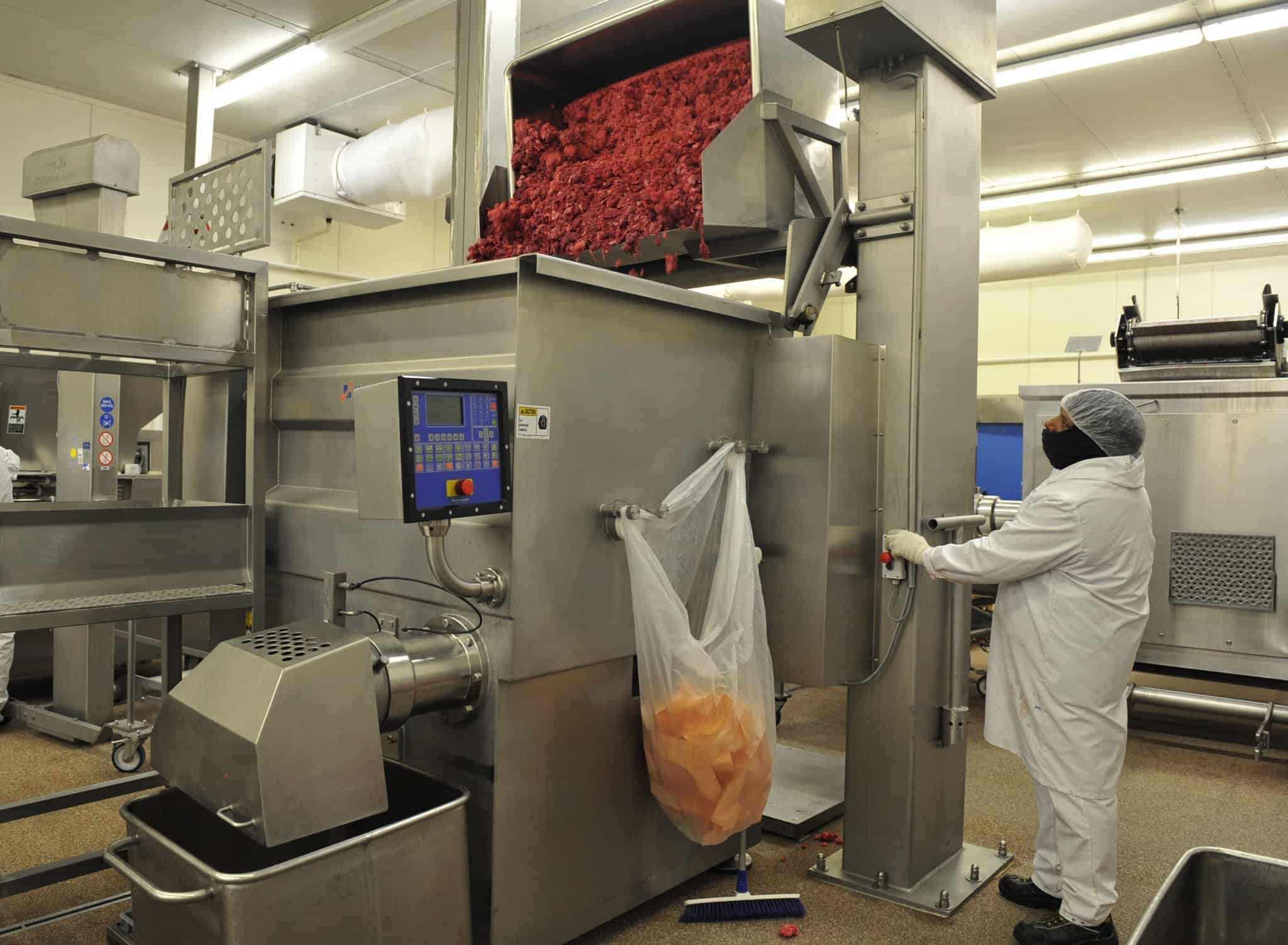
Elsewhere along the nation’s food supply chain, emails obtained by ProPublica show meat-processing facilities’ resistance to public health agencies’ attempts to protect worker safety. The Tyson plant in Wilkesboro, North Carolina took over its own COVID-19 testing through a private company and ceased reporting most results to the state, which eventually threatened the meat-processing giant with litigation to compel compliance. A public health official in Iowa wrote that National Beef “would rather risk their employees’ health and keep production going” at their facility in Tama, Iowa. The meat-processing industries’ preparedness plans for viral outbreaks have traditionally focused on the livestock animals rather than workers’ health. Companies like Tyson and Smithfield spent the early weeks of the pandemic pressuring officials to ensure that their workers would continue to report for their shifts in spite of the absence of safety precautions such as social distancing on the processing line, plexiglass windows, and masks. Local officials were often unable to resist such pressure or feared doing so because the meat-processing companies, often the main employers in the area, went over their heads to governors. President Trump’s executive order to keep meat-processing plants open and shield them from liability also undermined any attempt at ensuring worker safety. Smithfield Foods’ CEO Kenneth Sullivan dismissed social distancing as “a nicety that makes sense only for people with laptops.” At least 87 meat-processing workers have died of COVID-19.
But workers in industries that fail to protect their safety can’t simply continue to collect unemployment benefits either. As HuffPost reports, the Trump administration has allowed and even encouraged states to remove unemployment benefits from workers who decline to return to work in “reopened” workplaces due to health risks. Secretary of Labor Eugene Scalia encourages workers with concerns about workplace safety to contact the Occupational Safety and Health Administration, but so far OSHA has issued only one citation due to COVID-19-related workplace conditions. In addition to potentially unsafe conditions, many employers are offering lower wages to returning workers due to the economic slowdown. In TheStar, Jim Stanford argues that this situation reflects the deficiency of simplistic narratives about a labor market characterized by supply and demand. Employers who want their employees to return to work aren’t raising wages or improving conditions, but instead relying on the coercive power of the state.





Daily News & Commentary
Start your day with our roundup of the latest labor developments. See all
October 20
Korean unions oppose labor exemption bill; Portland city workers prepare for strike; UPenn grad student union looks to dismiss university filing
October 19
FDA reverses course on policy prohibiting off-duty union activity; FAA and NATCA reach deal to secure pay increase for air traffic controllers.
October 18
Federal judge again halts cancellation of the Bureau of Prisons’ CBA; tabletop gaming workers face roadblocks in union recognition.
October 16
Department of Labor reduces wage-and-hour enforcement at unionized workplaces; Fain's victory poses question of federal monitor's extension.
October 15
New reporting examines the rollback of child labor protections; California tries to block a strike; NLRB charges Wisconsin mental health provider with firing workers during union drive.
October 14
Eleventh Circuit overturns ERISA exhaustion rule; DHS finalizes removal of automatic renewal for work permits; AFGE challenges SSA over flexible scheduling policy.