
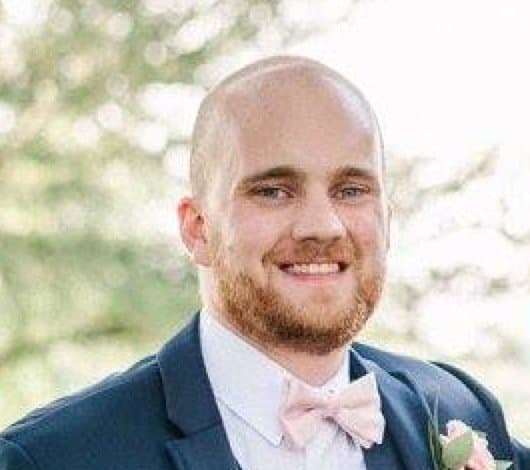
Ryan Gorman is a student at Harvard Law School.
Yesterday, workers at an Amazon warehouse in Shakopee, Minnesota, announced plans for a work stoppage next week on July 15, to coincide with Amazon’s “Prime Day” sale. Organizers are currently planning a six-hour stoppage, coupled with a nearby rally meant to draw attention to the company’s failure to address workers concerns over harsh working conditions, heavy workloads, and a lack of advancement opportunities. This is not the first time this year that the fulfillment center outside Minneapolis has been in the national spotlight. In May, three Somali women filed a complaint with the Equal Employment Opportunity Commission (EEOC) alleging various civil rights violations. Among other things, the complaint documents the facility’s failure to accommodate Muslim workers’ religious practices, promotion practices that discriminate against the warehouse’s East African workers, and retaliatory actions directed at employees who supported a December 2018 protest of warehouse conditions. The Prime Day work stoppage would follow more organized walkouts that took place in the company’s European facilities during last year’s Black Friday sales events.
Over the weekend, Deanna reported on recent attempts by House Democrats to raise the federal minimum wage to $15 an hour. Yesterday, the Congressional Budget Office released a study which found that raising the minimum wage to $15 by 2025 would boost the wages of 17 million workers who would otherwise make under $15 an hour, and potentially boost the wages of another 10 million workers who would otherwise make above that $15 an hour. The study does suggest that around 1.3 million workers could lose their jobs as a result of the wage, but acknowledges the difficulty in predicting such a decrease with particularity. In predicting these job losses, the report parts ways with the only other major study to focus specifically on the impact of raising the federal minimum wage to $15 an hour. The CBO report also concludes that a raise to that level would decrease the number of people with annual incomes below the poverty line by around 1.3 million.
Yesterday, a majority of a three-member panel of the National Labor Relations Board (NLRB) reversed portions of an Administrative Law Judge’s decision concluding that an employer had unlawfully accelerated scheduled wage increases in an attempt to undercut a nascent unionization campaign. Two members of the panel, including Chairman Ring, concluded that the General Counsel had failed to prove that the company, U.S. Cosmetics Corp., had changed the timing of an already-scheduled wage increase in response to the posting of pro-union signs in the workplace. Member McFerran dissented, arguing that the judge’s conclusions were well-supported by the record and by the judge’s determinations of witness credibility on disputed issues. The dispute between the majority and the dissent was fact-based, and left untouched the law underlying the claims. That sets the decision apart from last week’s decision in Johnson Controls, which reversed existing precedent to ease the burden on employers seeking to oust unions who may have lost majority support in their workplaces. Jared had the full story.



Daily News & Commentary
Start your day with our roundup of the latest labor developments. See all
October 9
DHS proposes a $100k fee for the foreign grad employment program; Trump suspends tech company access to green card program; and private equity perpetuates poor working conditions for home care workers.
October 8
NLRB judge finds UPS unlawfully restricted union insignia; Harvard graduate workers authorize second strike; OSHA orders Union Pacific to pay $300,000 in damages in whistleblower case.
October 7
DOL scraps plan to remove decades-old wage-and-hour guidance from federal regulations; New York enacts personnel records access law; Starbucks loses bid to dismiss Workers United trademark suit.
October 6
Protect College Sports Act dampens athlete unionization outlook; Stanford RA union decides to withdraw petition
October 5
Delaware bans captive audience meetings; EEOC settles remote work national origin discrimination claim; First Circuit stays enforcement order in VA's dispute with AFGE.
October 4
Boston nurses announce open-ended strike; federal judge restores federal prison workers' union protections; St. Louis workers form the first movie theater union in Missouri.