Jon Levitan is a student at Harvard Law School and a member of the Labor and Employment Lab.
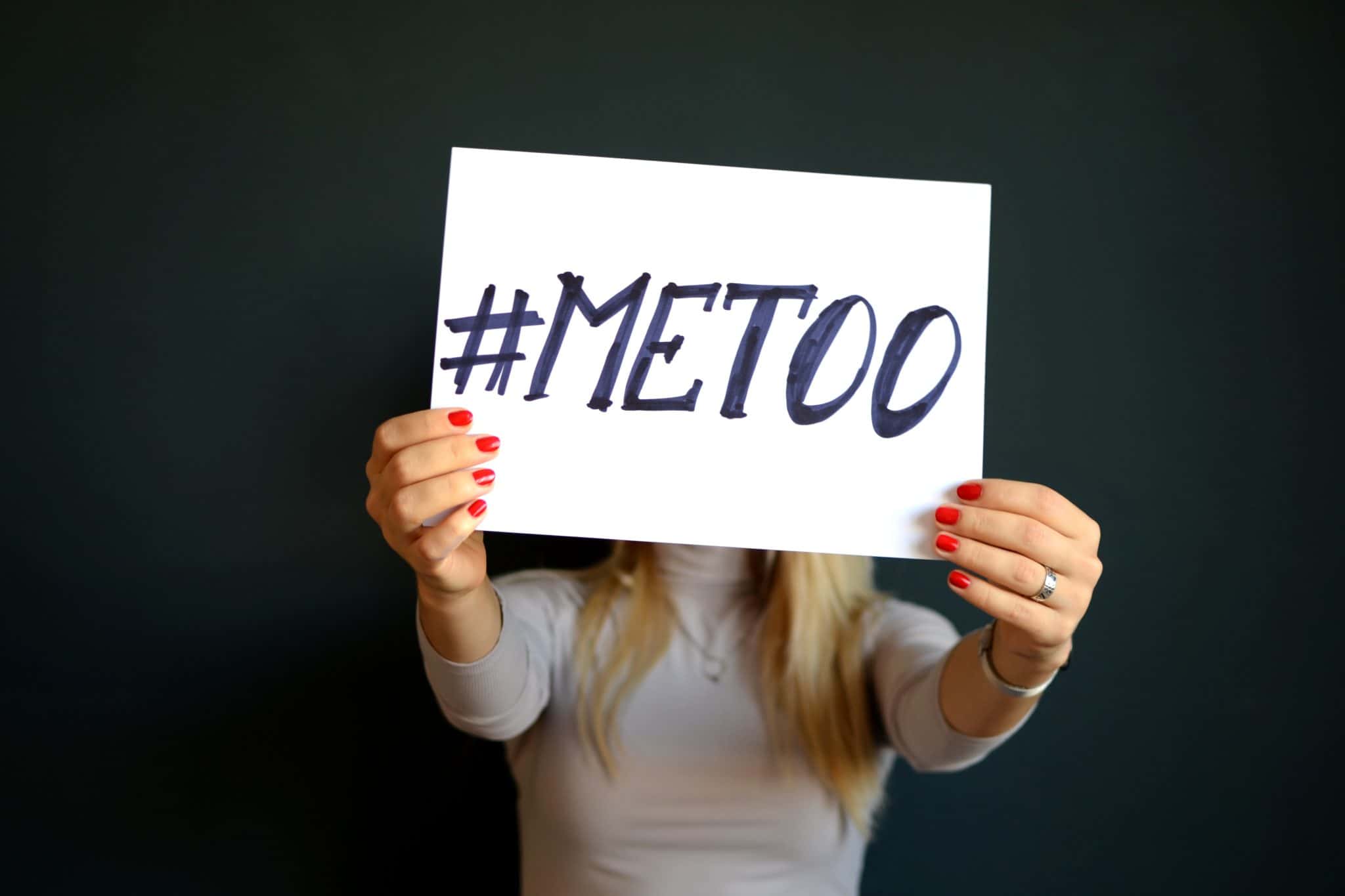
Harvey Weinstein was found guilty of rape and a criminal sexual act after a trial in New York. The jury acquitted him of the most serious charge of being a sexual predator but he still faces a prison sentence of five to 25 years. Two years after the movie producer was accused by dozens of women of sexually assaulting and harassing them over the course of his career, the #MeToo movement, sparked by the revelations about Weinstein, has grown to expose and fight workplace harassment and abuse all across society. Fatima Goss Graves, the president and chief executive officer of the National Women’s Law Center, told Bloomberg Law that #MeToo and the changes it has brought are “much bigger than any one person — even someone who is as powerful as Harvey Weinstein.’’
Workers at the progressive news network The Young Turks are attempting to unionize and their influential co-founder and media personality Cenk Uygur is not happy about it. At an all-hands meeting Monday, Uygur apparently grew emotional and urged workers not to unionize. He told HuffPost that the network, like all digital media companies, is “in a precarious position,” and thus can’t afford the cost of a unionized workplace. The workers are organized with IATSE, the International Alliance of Theatrical Stage Employees, who Uygur has accused of bias against him, stemming from IATSE’s endorsement of his opponent in a race for a vacated California congressional seat. IATSE denied any bias and urged The Young Turks to voluntarily recognize the union.
The Supreme Court declined to hear a challenge to Walgreens’s firing of an employee for his refusal to work on the Sabbath. The Eleventh Circuit ruled that Walgreens made a reasonable attempt to accommodate the employee’s religion and upheld the firing. Justice Alito, joined by Justices Thomas and Gorsuch, issued an opinion agreeing with the rejection of this particular case, but nonetheless saying that he would be open to reviewing the standard under which an employer must accommodate an employee’s religious practices. Currently, the employer can avoid accommodating an employee’s religious practice if it imposes more than a “de minimis” cost on the employer.
ProPublica reports on a United States Postal Service practice of firing or forcing out roughly 44,000 workers who were injured on the job, and discriminating against at additional 15,130 by changing work duties or accommodations. The Equal Employment Opportunity Commission found that USPS had unlawfully discriminated against workers on the basis of disability under a program that lasted from 2006 to 2011, but USPS is contesting the claims. The EEOC plans to go through 28,000 claims one-by-one.
Lolita and Jacob both wrote about the Culinary Union Local 226 and their involvement in the Nevada caucus last weekend. In the aftermath of the caucuses, Hamilton Nolan profiled the union for In These Times. Despite much ink being spilled over the Culinary Union’s refusal to endorse any candidate running for the democratic nomination and their critique of Bernie Sanders’s healthcare plan, Nolan argued that “[t]he union does not exist to serve the politicians. The politicians exist to serve the union. The union has built a wondrous machine to ensure that it stays that way.”





Daily News & Commentary
Start your day with our roundup of the latest labor developments. See all
October 14
Eleventh Circuit overturns ERISA exhaustion rule; DHS finalizes removal of automatic renewal for work permits; AFGE challenges SSA over flexible scheduling policy.
October 13
Chicago hotel workers remain on strike; a coalition of Democratic states sues the Labor Department over canceled unemployment insurance grants; the Federal Labor Relations Authority establishes a new mediation framework for federal worker disputes.
October 12
Workers at the Obama Foundation begin organizing; MLB submits its latest collective bargaining agreement proposal; Brigham & Women's nurses postpone strike.
October 11
UAW President Shawn Fain succeeds in his reelection bid, and Spanish unions call for a general strike.
October 9
DHS proposes a $100k fee for the foreign grad employment program; Trump suspends tech company access to green card program; and private equity perpetuates poor working conditions for home care workers.
October 8
NLRB judge finds UPS unlawfully restricted union insignia; Harvard graduate workers authorize second strike; OSHA orders Union Pacific to pay $300,000 in damages in whistleblower case.