

A district judge in the Northern District of California certified a class of Uber drivers in Dulberg v. Uber Technologies Inc. The breach of contract suit alleges that after the company implemented its upfront pricing feature, drivers were not paid adequate wages. Before upfront pricing, drivers were paid roughly 80% of the cost of a ride while Uber received the remaining 20%. According to the suit, under the new upfront pricing plan, passengers are charged a higher rate upfront, but Uber continued to pay drivers according to the pre-upfront pricing calculations. As a result, drivers received less than 80% of the total fare. According to the certification, the class includes drivers across the country who drove for UberSelect or UberX, and who drove passengers who were charged upfront fares prior to May 22, 2017, when updates to Uber’s driver fee schedule took effect. These drivers also must have made less money because of the new policy, and have opted out of Uber’s arbitration provision. There are approximately 4,600 drivers who could participate in the class action.
The New York Times chronicled how Medicaid’s lack of dental care coverage can lead not only to poorer overall health, but bleak employment and economic prospects. In addition to correlations with certain types of cancers, cardiovascular diseases, and increased risk of preterm delivery, poor dental health is also associated with negative social judgments and employment outcomes. As a number of states consider imposing work requirements for Medicaid eligibility, the connection between dental health and employment has become more important to examine. Approximately one-third of adults eligible for Medicaid in states that have adopted the Affordable Care Act Medicaid expansion (those living 138 percent below the poverty line) say that their teeth have impacted their ability to interview for jobs. One study found that people with poor dental health were perceived as less intelligent and less qualified for jobs. Currently, only 17 state Medicaid programs offer comprehensive dental benefits for adults.
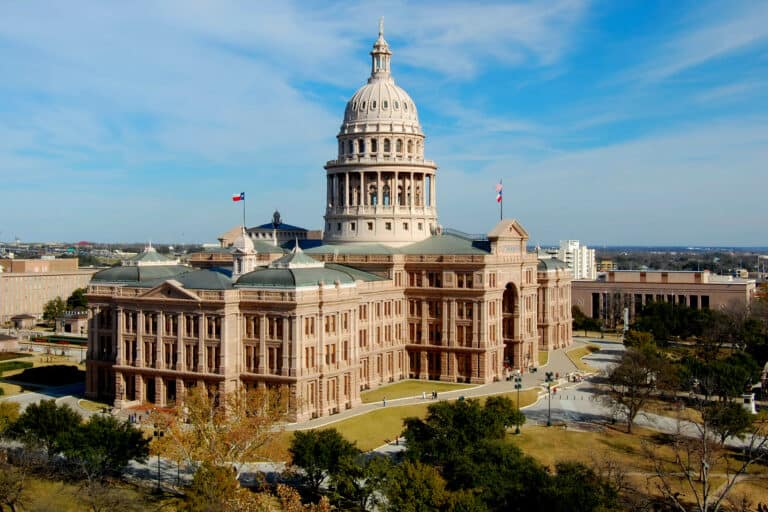
Late last week, Austin’s City Council passed an ordinance requiring paid sick leave for all private employers in the city. All private employers, regardless of size, would have to provide leave for employees if they work for at least 80 hours annually. The ordinance provides for one hour of leave for every 30 hours worked. Leave can be used for the employee’s own illness, or to take care of family members, which includes spouses, children, parents, other blood relatives and others with whom the employee has the equivalent of a family relationship. Under the ordinance, employees must receive the same compensation they would have received if they were working. The ordinance will begin to take effect on October 1, 2018. Seven other states and the District of Columbia and 28 cities have paid sick leave legislation. Austin is the first southern city to institute paid sick leave.




Daily News & Commentary
Start your day with our roundup of the latest labor developments. See all
October 22
SCOTUS declines Wilcox appeal; Penn State research assistants win bargaining rights; SEIU sued over military leave firing.
October 21
DOL withdraws tipped-worker rule; Instacart settles hiring-bias claims; Phillips 66 locks out New Jersey refinery workers.
October 20
Korean unions oppose labor exemption bill; Portland city workers prepare for strike; UPenn grad student union looks to dismiss university filing
October 19
FDA reverses course on policy prohibiting off-duty union activity; FAA and NATCA reach deal to secure pay increase for air traffic controllers.
October 18
Federal judge again halts cancellation of the Bureau of Prisons’ CBA; tabletop gaming workers face roadblocks in union recognition.
October 16
Department of Labor reduces wage-and-hour enforcement at unionized workplaces; Fain's victory poses question of federal monitor's extension.