
Mackenzie Bouverat is a student at Harvard Law School.
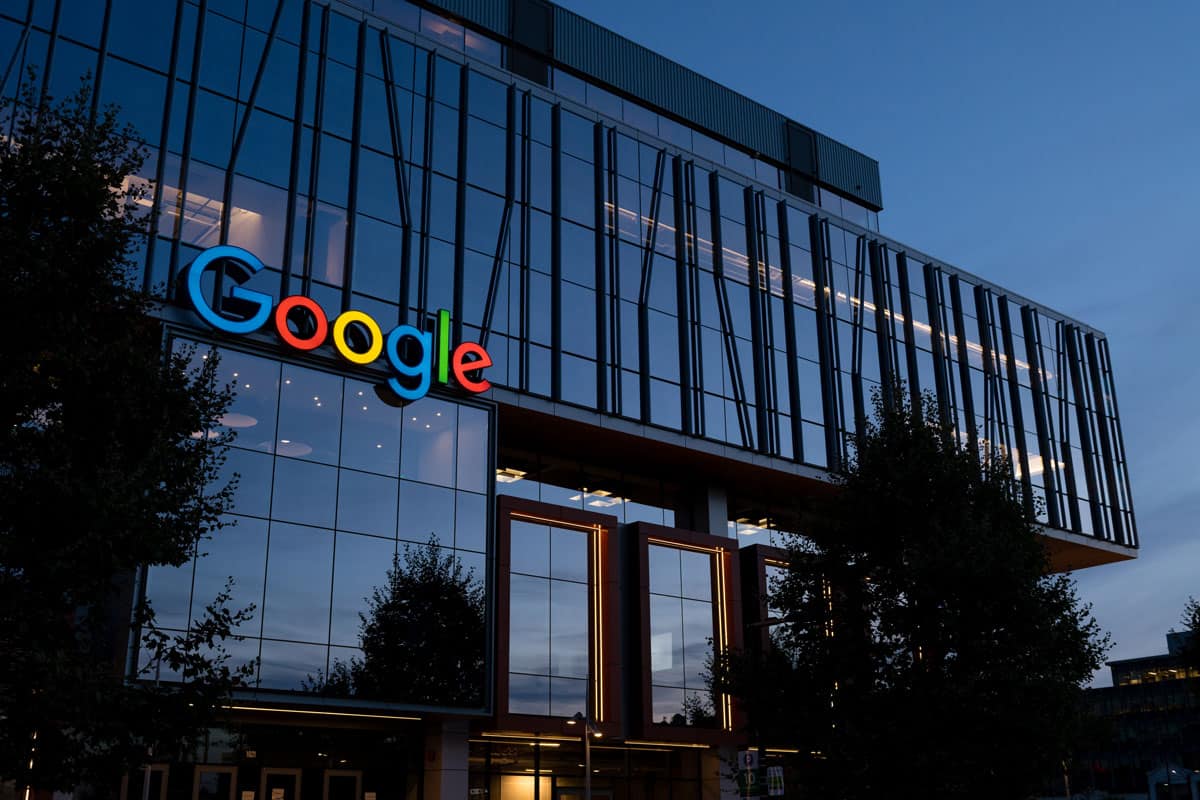
The National Labor Relations Board has determined that employers cannot be compelled to disclose information concerning corporate decision-making on the use of new and emerging technology in the workplace. The case involves a dispute between the Michigan Nurses Association and Ascension Healthcare-affiliated Michigan Medical Center concerning the latter’s sharing of patient health data with Google.
Ascension Healthcare is the second-largest private healthcare provider in the United States. The project, internally known as “Project Nightingale,” collects all patient electronic health records across Ascension-operated clinics and hospitals onto the Google Cloud platform. Google’s artificial intelligence resources then analyze Ascension patients’ data–—including lab results, medications, and diagnoses–and recommends changes to their care, subject to the approval of the patient’s physician. In January this year, Michigan Nurses Association, in the process of bargaining with Ascension-affiliated Michigan Medical Center, requested documents related to the administration of Project Nightingale. The Union requested: (1) the names of unit employees whose health information has been shared with Google; (2) copies of the release of information members were asked to sign to allow for sharing of personal data; (3) the names of unit employees whose name may appear in patient charts which have been shared with Google; and (4) a copy of the contractual agreement between Ascension and Google for the sharing of medical record data.. The company rejected requests 1-3 on the grounds that sharing patient information for the reasons provided by the Union is not permissible under HIPAA. It rejected requests 1-4 on the grounds that the request is irrelevant to bargaining, because it is unrelated to wages, hours, and other terms and conditions of employment.
The NLRB sustained the Company’s objections. In a General Counsel’s advice memorandum penned by Biden Peter Sung Ohr, the Board indicated that a Michigan Medical Center, an affiliate of the Ascension Health Network, was not required to provide information related to its partnership with Google involving the sharing of patient information to the Michigan Nurses Association in the process of bargaining. The Board reasoned that the requested information involved matters unrelated to the employee-employer or collective-bargaining relationship, and thus is irrelevant to the bargaining process. Ascension, they conclude, has no duty to provide information about the program.
As the AI Now Institute 2019 report indicates, successes in tech workers’ attempts to pressure their employers to discontinue unethical service contracts are rare, but not unheard of. In September 2019, developer Seth Vago pulled his open-source code out of the codebase used by the company Chef in order to pressure the company to cancel their contract with ICE: Chef complied. But the failures far outnumber the successes: employees at Palantir, the tech company with the largest market share in ICE’s detention and tracking operations, in 2019 published two open letters petitioning the company to nullify its relationship to ICE. Yet the company renewed a $49 million contract with ICE, to be performed over three years. Similarly, Microsoft employees released an open letter asking the company to refrain from bidding on JEDI, a Department of Defense cloud-computing contract. Microsoft won the contract.
Should the principles which it espouses stand as part of the canon of American labor law, the NLRB’s advisory memorandum has considerable implications for American workers. The General Counsel’s recommendation stands for the proposition that employers may treat their employees as mercenaries serving social causes which they wholeheartedly and collectively condemn—so long as their employees retain the right to collectively bargain over the rate at which they are paid for those services. To be sure, the advisory memorandum does not prohibit employees from withhold labor to pressure their employers to conduct their operations in the service of the public good. But it does signal that federal labor law will not assist employees in their endeavors to enforce corporate social responsibility by means of the collective bargaining process—the appropriate forum for employees to ventilate their grievances related to the malfeasance of their employer is, per labor law authorities, the open letter.
Eight Malian citizens filed a federal class action lawsuit Friday in Washington DC against several international chocolate companies for their alleged complicity in forced labor and trafficking. The lawsuit was filed under the 2017 Trafficking Victims Protection Reauthorization Act. The plaintiffs, represented by the human rights firm International Rights Advocates (IRA), were trafficked as children and forced to harvest cocoa in Ivory Coast. Nestlé, Cargill, Barry Callebaut, Mars, Olam, Hershey and Mondelēz are among the companies named in the suit. The plaintiffs seek damages for forced labour and additional compensation for unjust enrichment, intentional infliction of emotional distress, and negligent supervision.



Daily News & Commentary
Start your day with our roundup of the latest labor developments. See all
September 17
Unions push to block Google from buying Spirit Airlines employment records; U.S. Department of Labor sues Oklahoma coffee chain over alleged wage violations.
September 16
Trump nominates Catherine Eschbach as EEOC general counsel; NLRB declines to resolve union work-assignment dispute; Allina Health physicians begin four-day strike.
September 15
Documents reveal the inner workings of Amazon's union avoidance program; Washington state public sector unions reach tentative deals amid a difficult bargaining cycle; hundreds of Nevada Culinary Union members protest their union's health care changes.
September 14
NCAA and Big Ten file motion to dismiss in former star player's NIL suit; Seventh Circuit rules against former postal worker in discrimination suit.
September 13
Documents released on the 25th anniversary of the 9/11 attacks show that city officials encouraged workers to return to Ground Zero despite knowing the risks of asbestos exposure, and new polls demonstrate continued widespread support for labor unions.
September 10
Amazon workers allege pregnancy discrimination; federal unions challenge USDA reorganization; NYC warns of silicosis risks.