
Union organizing provides federal employees with a voice. Negotiations between the Environmental Protection Agency and its employees represented by the American Federation of Government Employees will recommence. Negotiations for a collective bargaining agreement have been on pause since June of this year, when the EPA announced it would implement a new contract unilaterally. The union then raised grievances of unfair labor practices to the Federal Labor Relations Authority, and upon investigation, the FLRA preliminarily found the EPA’s actions unlawful. In exchange for the union dropping its charges, the EPA has signed a settlement. The settlement stipulates bilateral negotiations on matters such as official hours, promotions, employee rights, and leave, with the deadline of April 2020.
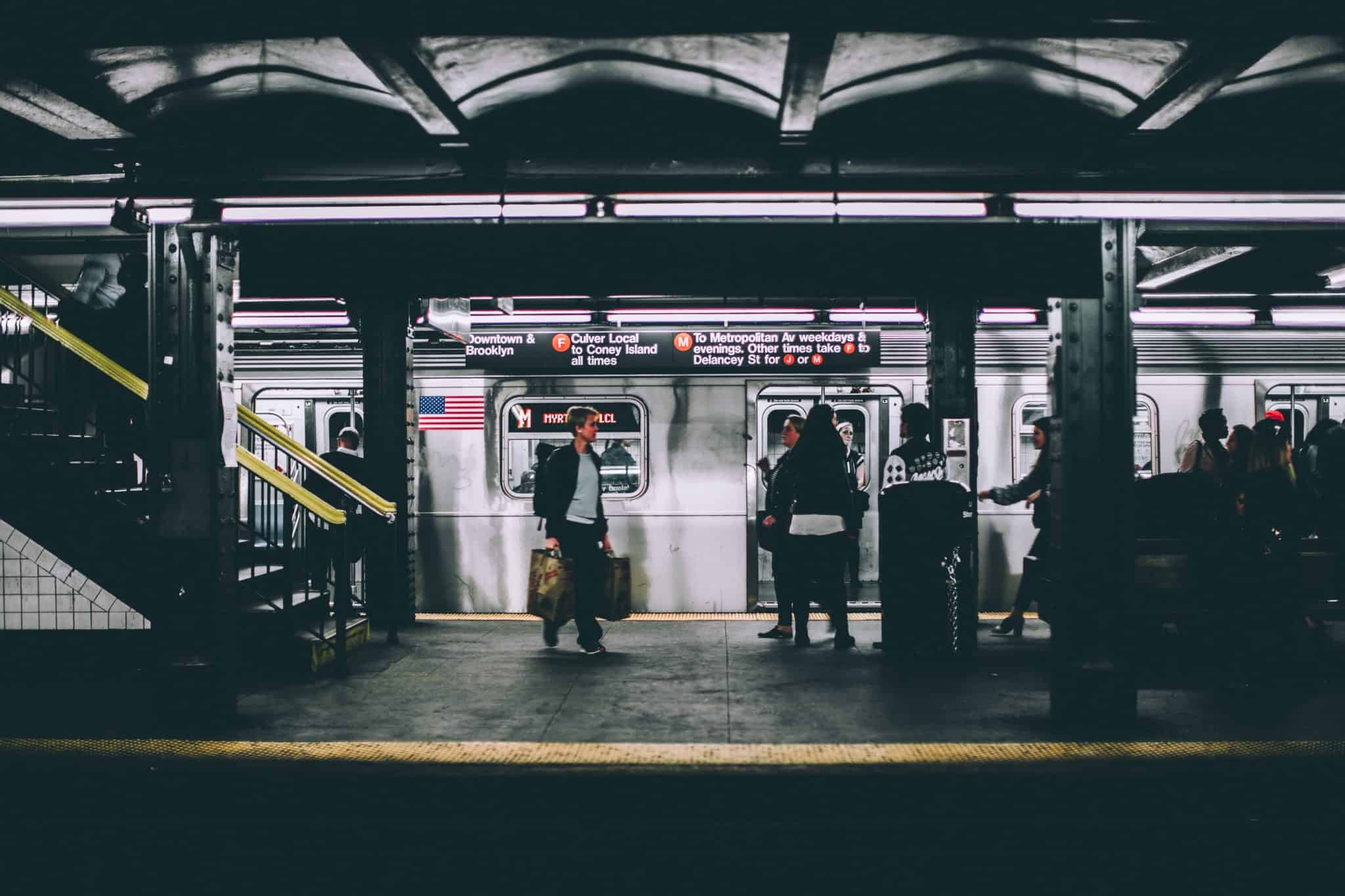
New York City’s public transportation workers may have successfully negotiated a new contract with MTA, the largest public transportation agency in the country. MTA accepted the terms proposed by its workers’ union, Transport Workers Union Local 100. The four-year deal includes a 9.5% pay increase as well as worker protections from private contracting and internal layoffs.
The Connecticut judge presiding over Purdue Pharma’s bankruptcy case called for the firm’s workers to receive $35 million in bonuses but not the CEO. Purdue Pharma, a manufacturer of OxyContin, is caught in over 2,700 lawsuits for its role in the opioid epidemic. Judge Robert Drain ultimately decided the company’s officials should determine whether it is appropriate for the CEO to receive a $1.3 million performance bonus.
Later today Fiat Chrysler Automobile workers represented by the UAW will vote on a proposed contract with the car manufacturer. The union was able to negotiate a proposed contract that extends health care benefits, increases profit sharing, and raises pay. The deal puts workers on par with their Ford counterparts and close in salary to General Motors workers. The relative ease of these negotiations stands in stark contrast to the recently-ended GM strike, which may have in part motivated Fiat Chrysler to reach an agreement before workers took other actions.
In a move that widens the public transportation strike in the Washington D.C. Metropolitan Area, Northern Virginia bus drivers with the Fairfax Connector launched their strike yesterday. The collective bargaining agreement between Transdev, the French subcontractor hired by the county to manage the bus operations, and ATU Local 1764, the union that represents Fairfax Connector employees, expired November 30th with unsuccessful subsequent negotiations. The bus’ estimated 30,000 weekday riders are without service until the strike ends.





Daily News & Commentary
Start your day with our roundup of the latest labor developments. See all
October 18
Federal judge again halts cancellation of the Bureau of Prisons’ CBA; tabletop gaming workers face roadblocks in union recognition.
October 16
Department of Labor reduces wage-and-hour enforcement at unionized workplaces; Fain's victory poses question of federal monitor's extension.
October 15
New reporting examines the rollback of child labor protections; California tries to block a strike; NLRB charges Wisconsin mental health provider with firing workers during union drive.
October 14
Eleventh Circuit overturns ERISA exhaustion rule; DHS finalizes removal of automatic renewal for work permits; AFGE challenges SSA over flexible scheduling policy.
October 13
Chicago hotel workers remain on strike; a coalition of Democratic states sues the Labor Department over canceled unemployment insurance grants; the Federal Labor Relations Authority establishes a new mediation framework for federal worker disputes.
October 12
Workers at the Obama Foundation begin organizing; MLB submits its latest collective bargaining agreement proposal; Brigham & Women's nurses postpone strike.