
Jon Levitan is a student at Harvard Law School and a member of the Labor and Employment Lab.
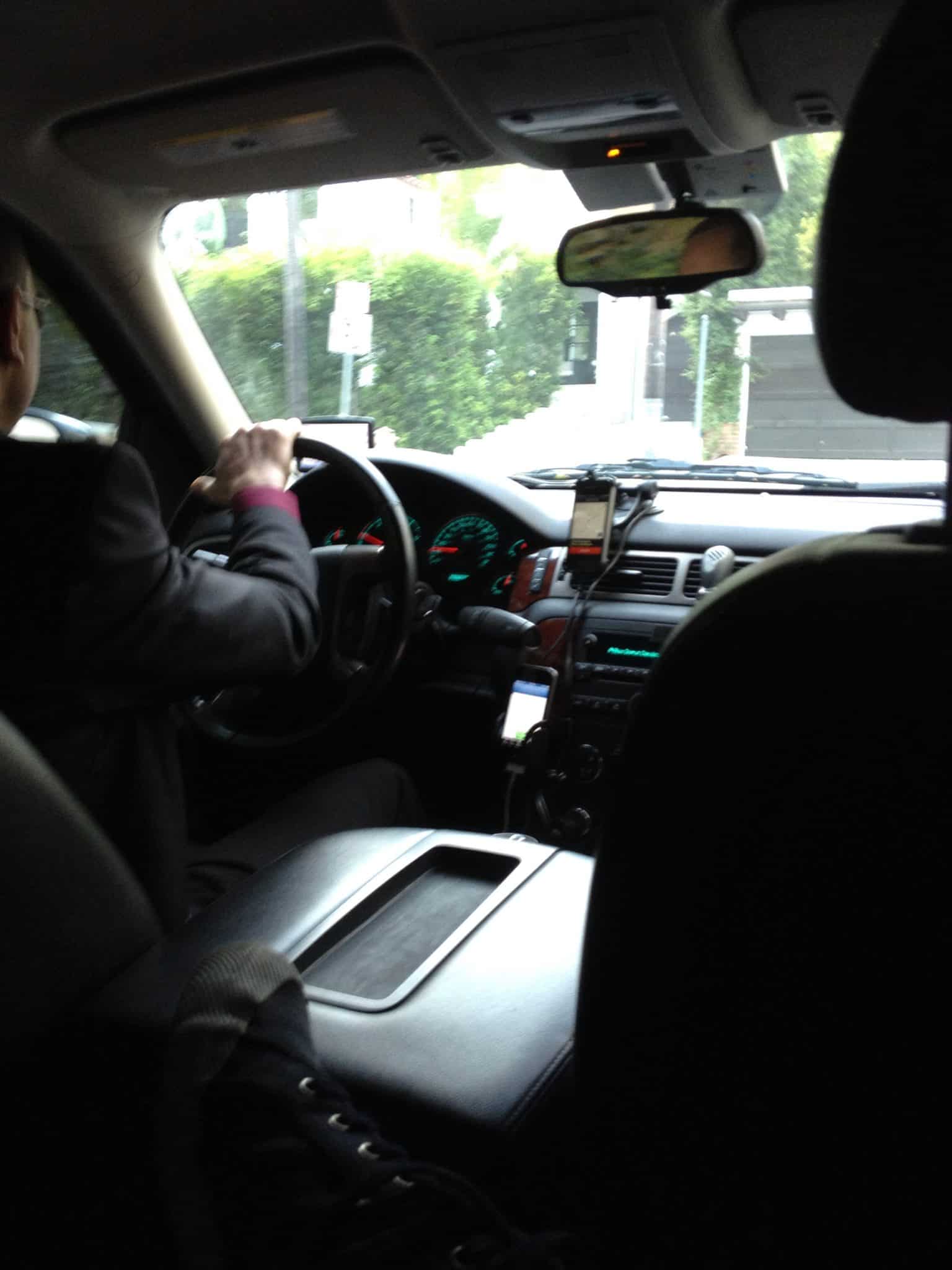
Uber and Lyft suffered a major loss in court yesterday when a California state judge ruled that the ride-sharing behemoths must classify their drivers as employees rather than independent contractors. California sued Uber and Lyft arguing the companies were in violation of AB5, a landmark law passed in 2019 that makes it more difficult for employers to classify workers as independent contractors rather than employees. The court, in granting the injunction that California sought, ruled that Uber and Lyft were likely to lose on the merits of the case. Pointing out the companies’ “prolonged and brazen refusal” to comply with AB5, the court said that California showed an “overwhelming likelihood” that it could prove the companies were misclassifying drivers. The companies said they will immediately appeal.
The decision hinged on whether or not drivers perform “work that is outside the usual course of [Uber’s and Lyft’s] business,” because if the drivers perform work that is in the usual course of the companies’ business, they are employees entitled to the benefits and protections employment law provides for. The rideshare companies argued that they are not in the transportation business, they are mere technology companies, and therefore the drivers are not working in the companies’ usual course of business. The court, like many before it, rejected this argument out of hand: “[w]ere this reasoning to be accepted, the rapidly expanding majority of industries that rely heavily on technology could with impunity deprive legions of workers of the basic protections afforded to employees by state labor and employment laws.”
Earlier yesterday, in a suspiciously well timed op-ed, Uber CEO Dara Khosrowshahi wrote in the New York Times defending Uber’s refusal to classify drivers as employees. Khosrowshahi wrote that the current employment law model, which he asserts “forces every worker to choose between being an employee with more benefits but less flexibility, or an independent contractor with more flexibility but almost no safety net,” should be replaced with a “third way” that would require gig-employers to set up funds so workers can accrue cash for benefits as they work. The op-ed was panned on twitter, with law professor Veena Dubal writing that “Uber can offer drivers flexibility and benefits this very second…[but t]hey have not made any efforts to comply [with AB5] or do these things.” Harvard Labor and Worklife Program fellow Terri Gerstein said Khosrowshahi “completely misstate[d] the law. Our current employment system does [not] require workers to choose [between] flexibility & a safety net.”
In non-rideshare news, Gerstein and Debbie Berkowitz wrote for Morning Consult that, because of the Federal Occupational Safety and Health Administration’s “[horrendous failure]” to enforce workplace safety laws amid the pandemic, states and localities should fill the void. They write that states should follow Virginia’s lead and issue comprehensive COVID-specific workplace safety standards, including requiring all employers to have a COVID-19 preparedness plan. Gerstein and Berkowitz warn that passing the new standards “won’t be easy; politics is complex, and corporate interests will fight tooth and nail against new workplace protections. But people’s lives are in the balance. It would be government malpractice not even to try.”




Daily News & Commentary
Start your day with our roundup of the latest labor developments. See all
October 22
SCOTUS declines Wilcox appeal; Penn State research assistants win bargaining rights; SEIU sued over military leave firing.
October 21
DOL withdraws tipped-worker rule; Instacart settles hiring-bias claims; Phillips 66 locks out New Jersey refinery workers.
October 20
Korean unions oppose labor exemption bill; Portland city workers prepare for strike; UPenn grad student union looks to dismiss university filing
October 19
FDA reverses course on policy prohibiting off-duty union activity; FAA and NATCA reach deal to secure pay increase for air traffic controllers.
October 18
Federal judge again halts cancellation of the Bureau of Prisons’ CBA; tabletop gaming workers face roadblocks in union recognition.
October 16
Department of Labor reduces wage-and-hour enforcement at unionized workplaces; Fain's victory poses question of federal monitor's extension.