

Adi Kamdar is a student at Harvard Law School.
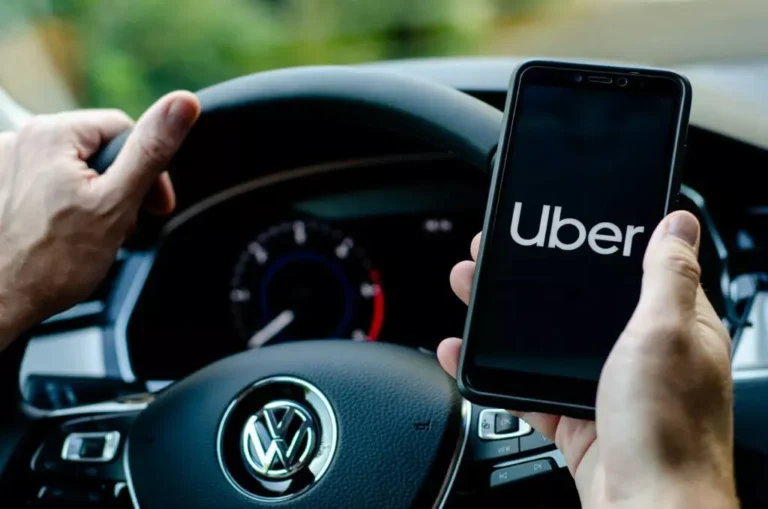
The New York Times has a thorough feature about how Uber is using “psychological tricks” to subtly control the drivers who use the service. The article focuses on how the company “solves” the problem of how it cannot exert too much control over its drivers—currently treated as independent contractors—by using inducements: alerts questioning decisions to log out of the app, reminders of monetary goals, and sending drivers their next ride even before their previous ride is over. In turning the app into a video game, the article—and several researchers it cites—argue that Uber is in reality asserting quite a bit of control over drivers.
California Assemblymember Lorena Gonzalez Fletcher plans to introduce a bill allowing gig economy workers—like Uber and Lyft drivers—to unionize, according to the Los Angeles Times. Fletcher introduced a bill last year attempting to do the same, but pulled it after facing both business and labor opposition. The California push comes at the heels of Seattle’s ordinance allowing ride-hailing drivers to unionize and New York City’s informal union affiliation.
Mother Jones has an article providing more detail into how a private prison company put detained immigrants to work without pay, leading to a lawsuit that was certified as a class action a little over a month ago. By using “voluntary” workers, the prison company—the GEO Group—plausibly saved hundreds of thousands of dollars.
The New York Times has investigated into five women who have received settlements from either Bill O’Reilly or Fox News after sexual harassment allegations against the cable news star. The two most recent of the five settlements, which are worth $13 million, came about after Fox News’ former chairman’s Roger Ailes was dismissed last summer in light of a sexual harassment scandal.





Daily News & Commentary
Start your day with our roundup of the latest labor developments. See all
October 13
Chicago hotel workers remain on strike; a coalition of Democratic states sues the Labor Department over canceled unemployment insurance grants; the Federal Labor Relations Authority establishes a new mediation framework for federal worker disputes.
October 12
Workers at the Obama Foundation begin organizing; MLB submits its latest collective bargaining agreement proposal; Brigham & Women's nurses postpone strike.
October 11
UAW President Shawn Fain succeeds in his reelection bid, and Spanish unions call for a general strike.
October 9
DHS proposes a $100k fee for the foreign grad employment program; Trump suspends tech company access to green card program; and private equity perpetuates poor working conditions for home care workers.
October 8
NLRB judge finds UPS unlawfully restricted union insignia; Harvard graduate workers authorize second strike; OSHA orders Union Pacific to pay $300,000 in damages in whistleblower case.
October 7
DOL scraps plan to remove decades-old wage-and-hour guidance from federal regulations; New York enacts personnel records access law; Starbucks loses bid to dismiss Workers United trademark suit.