
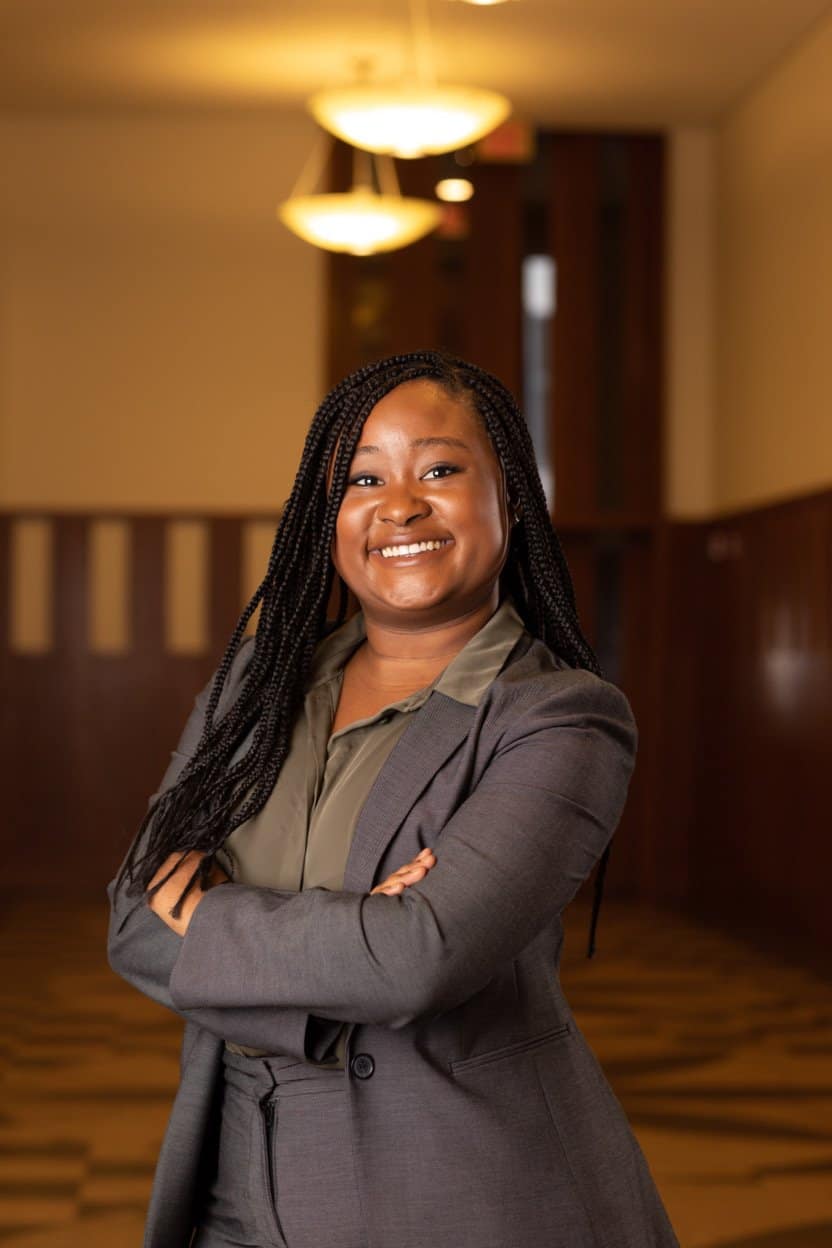
Courtney Brunson is a student at Harvard Law School and member of the Harvard Legal Aid Bureau.
Local Las Vegas news station Fox 5 has reported that two large Nevada labor unions, Culinary Union 226 and SEIU 1107, have decided to come together and align their efforts. In the conference where the news was announced, the union representatives focused on the topics of union workers living without pay and the continued importance of manufacturing personal protective equipment (PPE).
Fox Corporation, parent company of the local news station above as well as the national cable-news source, has suspended the salaries of its top executives, as it aims to cope with the impact of the coronavirus. This decision echoes the actions of other media giants who have also made cutbacks during the pandemic. The difference, however, is that the Fox network has largely had commentators who have been critiqued for being dismissive and critical of public concerns around the outbreak.
The New York Department of Labor has launched a new unemployment application to more efficiently process the high number of unemployment claims the state has received in the past few weeks. This application allows an individual to fill out their information and automatically be given unemployment insurance if the Department of Labor application determines the person is qualified. The Department has also hired more than 3,000 additional employees to handle the increased amount of claims.
Following up on Jon Levitan’s discussion of New York state’s use of prisoners in hand sanitizer production last month, the Brennan Center for Justice recently wrote about how the Covid-19 pandemic has shed a light on the prison labor system overall by highlighting the inadequate pay and lack of protections prisoners receive. Though American correctional facilities have long forced prison laborers to work for very little, more than a dozen states have begun to heavily rely on these workers to manufacture PPE for health workers and others in need. Federal courts have determined that prisoners are not protected under statutes providing for minimum wage, overtime pay, collective bargaining, and more. However, these concerns continue to be discussed, in light of the prisoner’s important role in developing PPE during the crisis and the growing visibility of prisoner strikes that have advocated for better pay and protections.



Daily News & Commentary
Start your day with our roundup of the latest labor developments. See all
July 28
DOJ drops charges against SEIU California president; Massachusetts nurses file ULP against hospital; Democratic lawmakers look to remove damage caps in employment discrimination cases
July 27
NY Port Authority proceeds to trial on PUMP Act case; First Circuit denies stay in order vacating H-1B visa fee; DC Circuit panel denies First Amendment claim over disclosure of confidential emails in allegation of prison's COVID-19 mismanagement.
July 24
EEOC drops request for UPenn's Jewish staff; Starbucks defeats mail-in ballots; and Mamdani appoints Lina Khan.
July 23
Ninth Circuit affirms ban of transphobic books in school; leading demographer warns of impending labor shortage.
July 22
EDNY strikes down state labor board law; D.C. Circuit applies Loper Bright to NLRB; Joint employer bill reaches the House floor.
July 21
Fifth Circuit transfers an Anheuser-Busch NLRB case to the Eleventh Circuit; a new report makes the case for tripling union membership.