Maddie Chang is a student at Harvard Law School.
In today’s Tech@Work, court grants hiring software company Workday’s motion to dismiss with leave to amend in algorithmic bias hiring suit; protections against AI exploitation added to fashion models’ labor bill in NY state; and AFL-CIO president expresses need for AI regulation.
Last week, a federal judge in Oakland granted hiring software company Workday’s motion to dismiss a hiring discrimination suit, but gave plaintiff Derek Mobley until next month to amend his claim. As reported in Bloomberg, Mobley is a Black man in his forties with disabilities who applied for 80-100 jobs at various companies that all used Workday’s hiring algorithm to screen out candidates. In the complaint, Mobley alleges that Workday’s algorithm discriminated against him and other similarly situated individuals on the basis of race, age, and disability. The court denied the part of Workday’s motion to dismiss that claimed that Mobley failed to exhaust administrative remedies through the Equal Employment Opportunity Commission. But it granted Workday’s motion with leave to amend on Mobley’s other claims. Crucially, Mobley failed to allege facts sufficient to state a claim that Workday “procured” workers and is thus an employment agency – a baseline claim necessary to hold Workday accountable for the discriminatory practices Mobley alleges. He has until Feb. 20 to amend his claim.
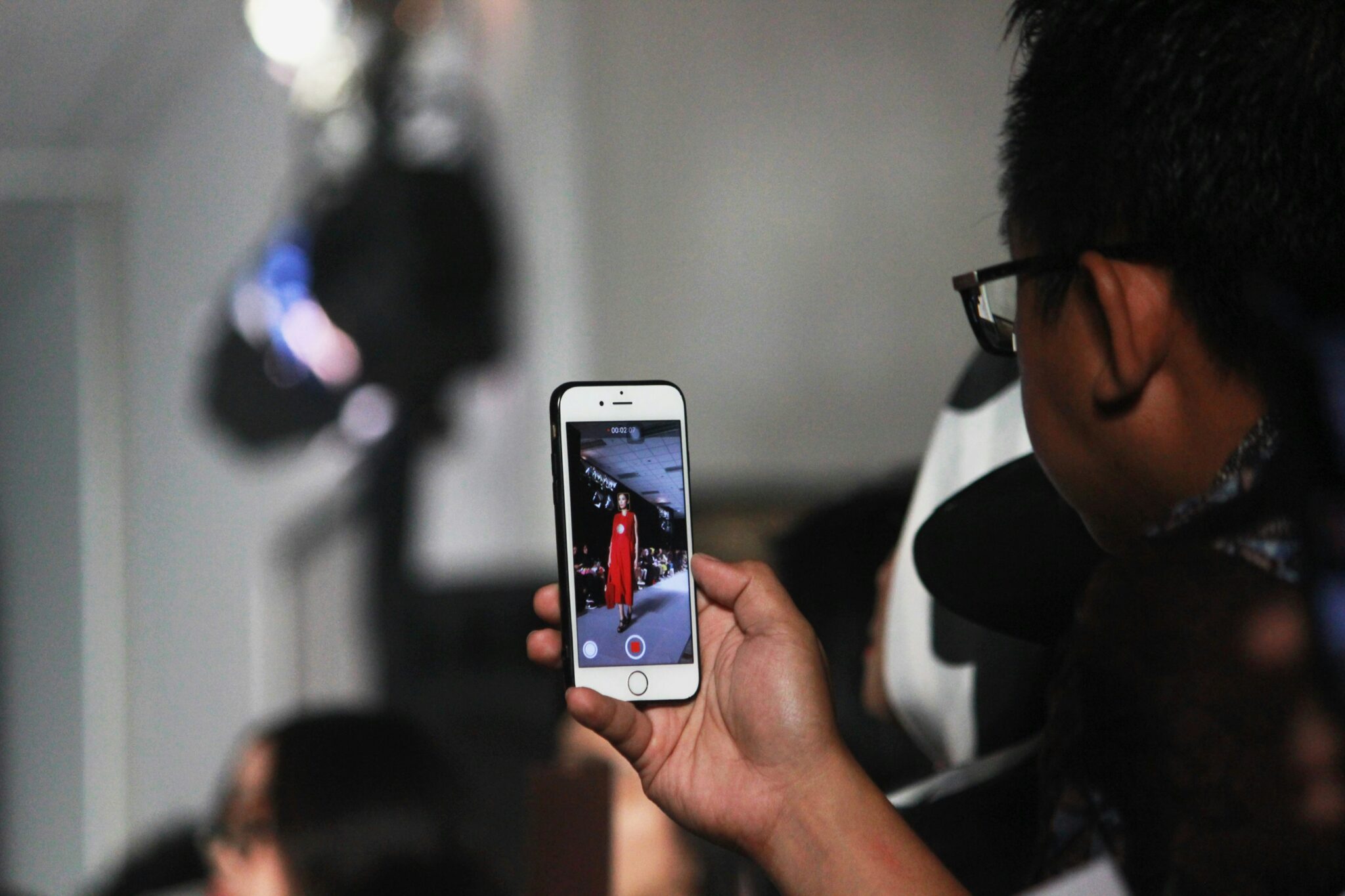
As mentioned in Tech@Work two weeks ago, fashion models were advocating to add protections against AI exploitation to a new New York state law aimed at improving conditions for fashion models generally. Their efforts have been successful: as Bloomberg reported, as of yesterday, Senate Bill 2477 now includes a provision that would require fashion agencies to get models’ written consent before reusing models’ digital likeness in new fashion campaigns. This provision echoes part of the SAG-AFTRA agreement with studios that background actors whose digital replicas are re-used must be paid similar to their normal rate and for the amount of time it would have taken in-person.
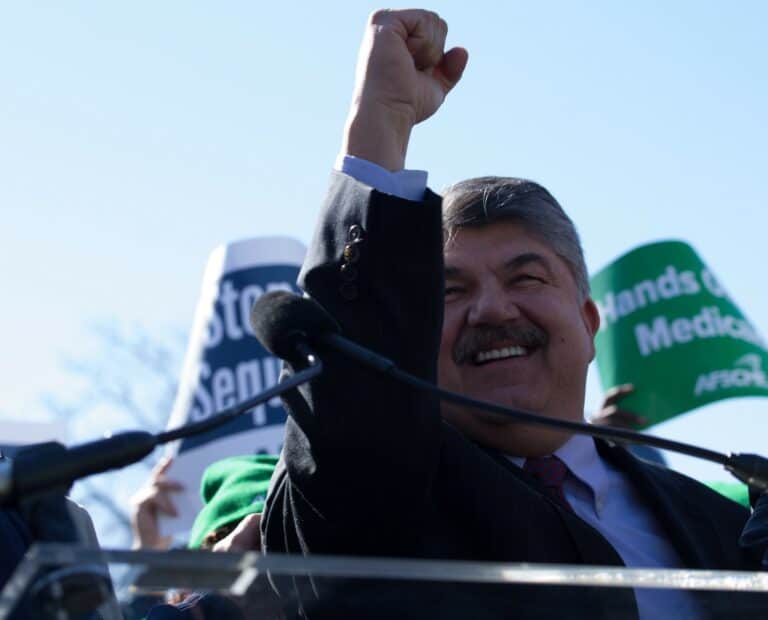
As reported in Politico this week, AFL-CIO president Liz Shuler spoke about the concerns that AI raises for workers in an interview at a summit coinciding with the Consumer Electronics Show in Las Vegas. She discussed the need for an agency similar to FDA that “oversees things like making sure drugs don’t kill people before they’re put out into the world,” and highlighted the role that the labor movement can play as a countervailing force to AI.





Daily News & Commentary
Start your day with our roundup of the latest labor developments. See all
October 27
Some California union locals defy their statewide leadership to back the state’s billionaire tax proposal; a Brown University technology center releases a map of the hidden global workforce behind AI; the National Women's Soccer League and its players union settle six grievances.
October 26
Harvard dining workers authorize strike; New York City bans horse carriages; Brooklyn nurses rally in support of colleague.
October 25
Dallas Cowboys Cheerleaders unionize; Bureau of Prisons again pushes for union contract cancellation; CSU faculty votes on strike authorization.
October 23
Employers increasingly shift health care costs onto workers and NYC proposes placing restrictions on fully automated customer service.
October 22
SCOTUS declines Wilcox appeal; Penn State research assistants win bargaining rights; SEIU sued over military leave firing.
October 21
DOL withdraws tipped-worker rule; Instacart settles hiring-bias claims; Phillips 66 locks out New Jersey refinery workers.