
Philippa Marks is a student at Harvard Law School.
In today’s news and commentary, the Second Circuit rejects a 2022 NLRB standard for union insignia in employer dress codes, and House Republicans ramp up labor union investigations before midterms.
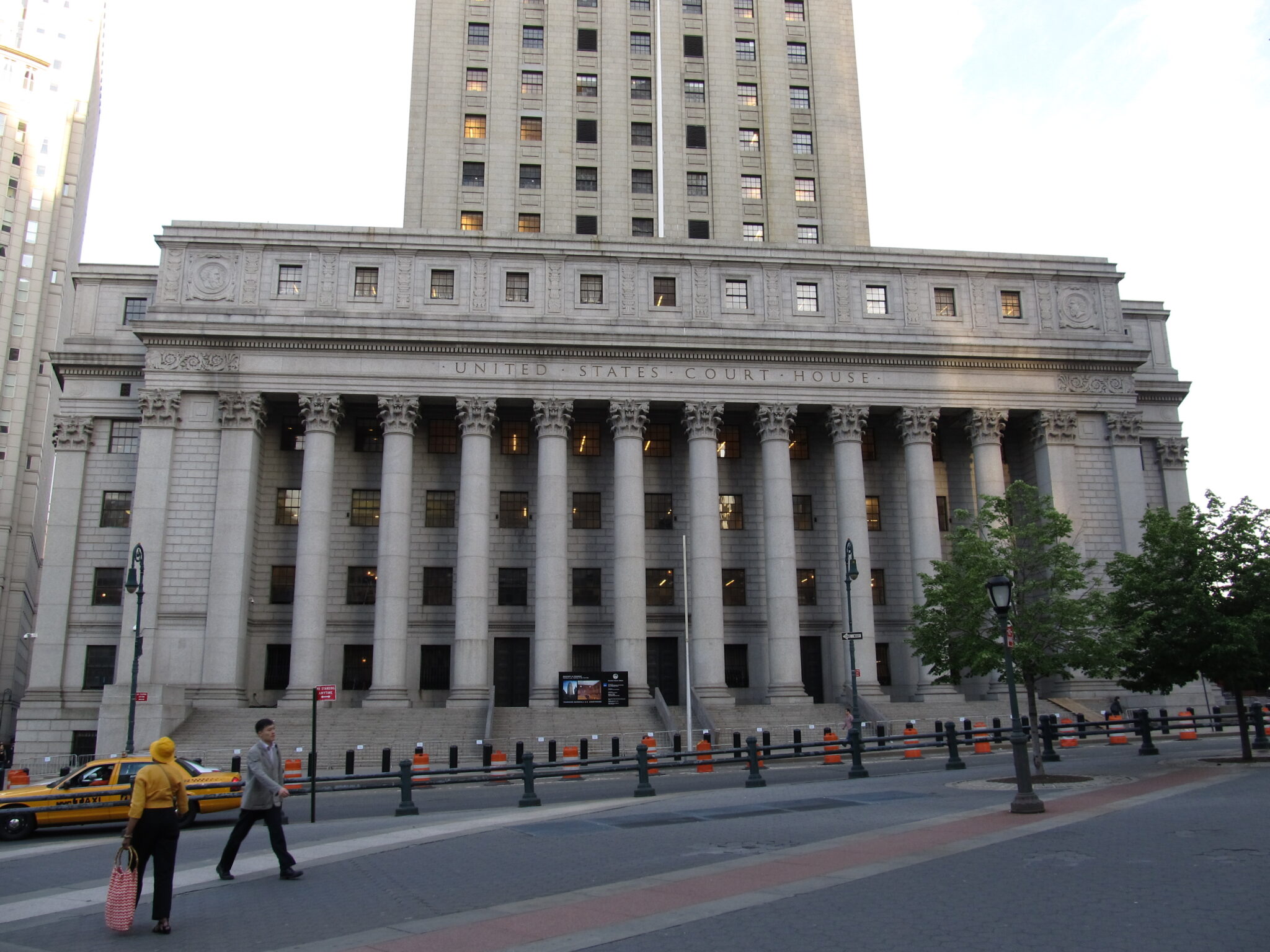
On Wednesday, the Second Circuit rejected the NLRB’s 2022 Tesla standard for judging employer dress codes. The ruling wipes out a board decision that had found Starbucks illegally restricted union insignia on shirts and pins at its Manhattan Reserve Roastery. The panel found the Tesla test “does little more than pay lip service to balancing,” holding that it wrongly presumed dress-code limits on union symbols unlawful without weighing employers’ business justifications, as required under the Supreme Court’s 1945 Republic Aviation precedent — making the Second Circuit the second court, after the Fifth Circuit, to discard the standard. The decision also marked the court’s first statement on how its review of NLRB rulings is shaped by the Supreme Court’s 2024 Loper Bright decision ending Chevron deference, with the panel leaving open the possibility that some NLRB interpretations could still get deferential review where Congress delegated the agency real policymaking discretion.
Next, House Republicans on the Education and Workforce Committee opened investigations this summer into six labor unions, the AFT, UAW, United Steelworkers, SMART-TD, BLET, and BMWED, after reports from the American Accountability Foundation and the Freedom Foundation, two conservative groups, alleged the unions used member dues to fund Democratic causes and candidates. Under current law, unions may spend dues on political advocacy generally, but funding specific candidates or PACs must come from voluntary member contributions, not dues. The reports also accused BLET of backing a UAW lawsuit against the Trump administration’s effort to end federal collective bargaining and claimed AFT president Randi Weingarten used dues to fund her 2025 book, an allegation her attorney called “a partisan attack masquerading as investigative journalism.” Cornell labor relations director Cathy Creighton said union finances are already subject to strict disclosure rules and that the investigations, which follow separate Trump administration efforts to curb federal collective bargaining, appear politically motivated.





Daily News & Commentary
Start your day with our roundup of the latest labor developments. See all
October 13
Chicago hotel workers remain on strike; a coalition of Democratic states sues the Labor Department over canceled unemployment insurance grants; the Federal Labor Relations Authority establishes a new mediation framework for federal worker disputes.
October 12
Workers at the Obama Foundation begin organizing; MLB submits its latest collective bargaining agreement proposal; Brigham & Women's nurses postpone strike.
October 11
UAW President Shawn Fain succeeds in his reelection bid, and Spanish unions call for a general strike.
October 9
DHS proposes a $100k fee for the foreign grad employment program; Trump suspends tech company access to green card program; and private equity perpetuates poor working conditions for home care workers.
October 8
NLRB judge finds UPS unlawfully restricted union insignia; Harvard graduate workers authorize second strike; OSHA orders Union Pacific to pay $300,000 in damages in whistleblower case.
October 7
DOL scraps plan to remove decades-old wage-and-hour guidance from federal regulations; New York enacts personnel records access law; Starbucks loses bid to dismiss Workers United trademark suit.