
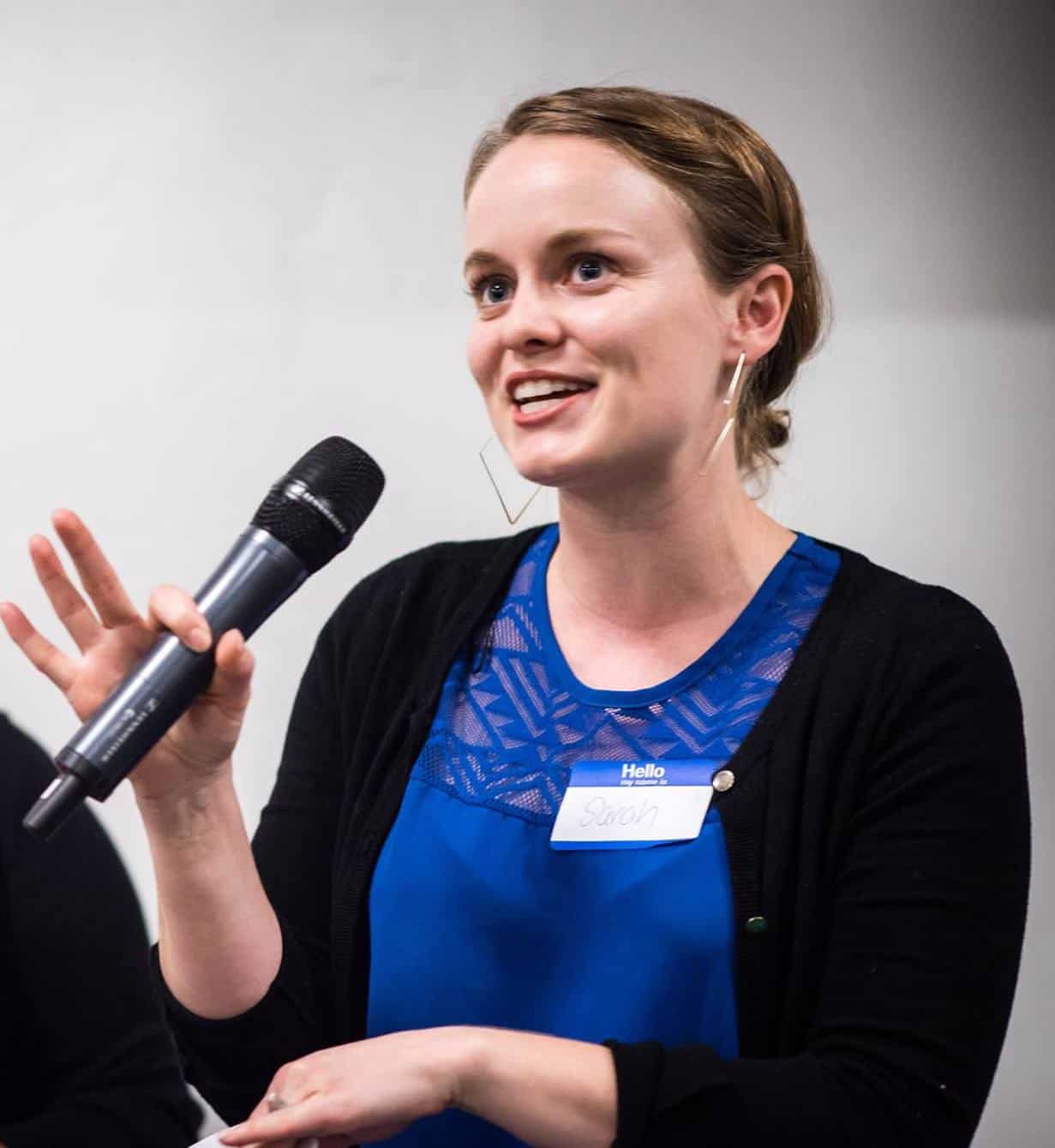
Sarah Leadem is a joint degree candidate at Harvard Law School and the Harvard Kennedy School of Government.
In today’s News and Commentary, Illinois voters will soon vote on a state constitutional amendment to guarantee collective bargaining, Yale graduate students file for a union election, and Striketober continues for Starbucks while negotiations stall and the company files unfair labor practice charges.
On November 8, Illinois voters will vote to amend their state constitution to guarantee the right to bargain collectively. Illinois’s Amendment 1, dubbed the “Workers’ Rights Amendment,” is a legislatively referred constitutional amendment. That is, it was passed by the Illinois General Assembly last year and now comes before voters in the general election. The ballot measure would amend the state constitution to guarantee all employees the “fundamental right to organize and to bargain collectively” and expressly prohibits any law that interferes with that right. Most significantly, this law would prohibit–or ban–future right to work laws in Illinois. While a few states have similar laws, this is the first time the issue will be left to voters. Amendment 1 has provoked contentious debate. Labor unions support the measure while the Chamber of Commerce and the Illinois Manufacturer’s Association oppose.
Yesterday, graduate student researchers and instructors filed a petition with the NLRB seeking a union election. A large majority of graduate students echoed the call to unionize: According to Unite-Here Local 33, the currently unrecognized graduate student union, more than 3,000 out of 4,000 graduate workers at Yale signed the petition. Students have called on Yale University to remain neutral in the election process. The University has not yet agreed to do so.
Striketober continues for Starbucks workers while negotiations stall and the company files charges. As reported by OnLabor, Starbucks representatives walked out of the first day of bargaining yesterday. The company cited objections to workers joining bargaining virtually and alleged that the union unlawfully recorded negotiations. Starbucks filed unfair labor practice charges against the union. Starbucks Workers United was quick to respond, highlighting that past ULP charges filed by Starbucks have been readily dismissed by the NLRB. Starbucks workers themselves have registered hundreds of violations against the company. At the same time, momentum continues: yesterday, Starbucks workers at the New York City Roastery went on strike and new Starbucks locations voted to join the union.




Daily News & Commentary
Start your day with our roundup of the latest labor developments. See all
October 7
DOL scraps plan to remove decades-old wage-and-hour guidance from federal regulations; New York enacts personnel records access law; Starbucks loses bid to dismiss Workers United trademark suit.
October 6
Protect College Sports Act dampens athlete unionization outlook; Stanford RA union decides to withdraw petition
October 5
Delaware bans captive audience meetings; EEOC settles remote work national origin discrimination claim; First Circuit stays enforcement order in VA's dispute with AFGE.
October 4
Boston nurses announce open-ended strike; federal judge restores federal prison workers' union protections; St. Louis workers form the first movie theater union in Missouri.
October 2
Gov. Newsom signs bill regulating AI in workplace; federal judge blocks Trump's $100,000 H-1B visa fee.
October 1
Senate confirms Keith Sonderling as Labor Secretary; Amazon warehouse workers launch an unfair labor practice strike.