Ted Parker is a student at Harvard Law School and a member of the Labor and Employment Lab.
In today’s news and commentary, the Supreme Court receives a petition to resolve the circuit split over the certification process for FLSA collective actions, unvaccinated healthcare workers lose their religious discrimination cases, and New Jersey’s attorney general sues Amazon over worker misclassification.
The deepening circuit split over the certification process for FLSA collective actions may be headed to the Supreme Court. As I explained back in May, the traditional two-step process helps more workers get back their stolen wages, while the newer one-step processes (adopted by the Fifth Circuit in 2021, the Sixth Circuit in 2023, and the Seventh Circuit earlier this year) make it easier for employers to pocket at least small sums with impunity. Now, a case in the Ninth Circuit, Harrington v. Cracker Barrel Old Country Store, which recently reaffirmed the traditional worker-friendly process, has been appealed to the Supreme Court. If the Supreme Court grants the parties’ petitions for certiorari—both sides have appealed—it could resolve the circuit split, but it is not obvious which side the Supreme Court would come down on.
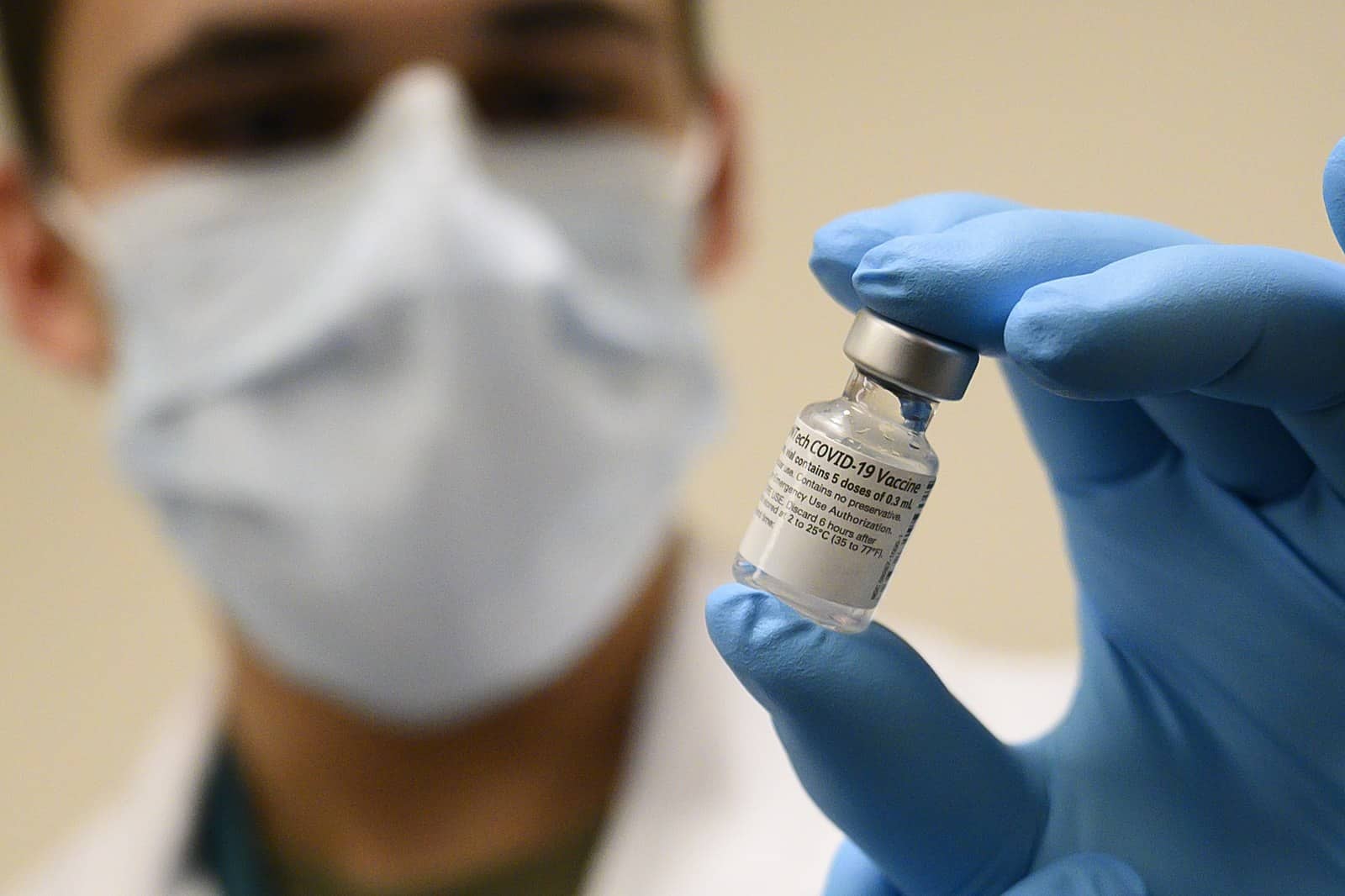
Reporting in Bloomberg observes that the trend in religious discrimination cases brought by vaccine refusers has turned decisively against the plaintiffs in at least one context: healthcare. As I wrote last month, the landscape among workers in other contexts (firefighters, transit workers, airline workers, etc.) is varied and uncertain. But in healthcare, plaintiffs are having a hard time clearing the “undue hardship” bar set by Groff v. DeJoy, which held that an employer may deny a religious accommodation if granting it would impose a “substantial” cost on its business. In these cases, granting the accommodation means increasing the chances that a medically vulnerable patient will contract a preventable disease, which imposes a substantial cost on the business of employers in the form of malpractice liability. Beyond that, there is also the “close nexus” between vaccine requirements and the overall goal of healthcare: to prevent disease. Because undue hardship is clear in these cases, courts often do not reach the sincerity of the plaintiffs’ religious beliefs.
Finally, New Jersey’s attorney general has sued Amazon for misclassifying its delivery drivers as independent contractors, thereby depriving them of the benefits and protections of employees. The state has a strong position given New Jersey’s strict ABC test, but Amazon is likely to fight the litigation with its vast resources. In such cases, the parties often settle in a way that benefits the workers but stops short of reclassifying them as employees. The role of attorneys general is especially important in this domain because workers are often prevented from pursuing this type of litigation by mandatory arbitration agreements and class-action waivers.





Daily News & Commentary
Start your day with our roundup of the latest labor developments. See all
October 9
DHS proposes a $100k fee for the foreign grad employment program; Trump suspends tech company access to green card program; and private equity perpetuates poor working conditions for home care workers.
October 8
NLRB judge finds UPS unlawfully restricted union insignia; Harvard graduate workers authorize second strike; OSHA orders Union Pacific to pay $300,000 in damages in whistleblower case.
October 7
DOL scraps plan to remove decades-old wage-and-hour guidance from federal regulations; New York enacts personnel records access law; Starbucks loses bid to dismiss Workers United trademark suit.
October 6
Protect College Sports Act dampens athlete unionization outlook; Stanford RA union decides to withdraw petition
October 5
Delaware bans captive audience meetings; EEOC settles remote work national origin discrimination claim; First Circuit stays enforcement order in VA's dispute with AFGE.
October 4
Boston nurses announce open-ended strike; federal judge restores federal prison workers' union protections; St. Louis workers form the first movie theater union in Missouri.