
Miriam Li is a student at Harvard Law School and a member of the Labor and Employment Lab.
In today’s news and commentary, the Department of Health and Human Services (HHS) canceled a scheduled bargaining session with the U.S. Food and Drug Administration’s (FDA) largest workers union, and members of 1199SEIU voted out longtime union president George Gresham in a rare leadership upset.
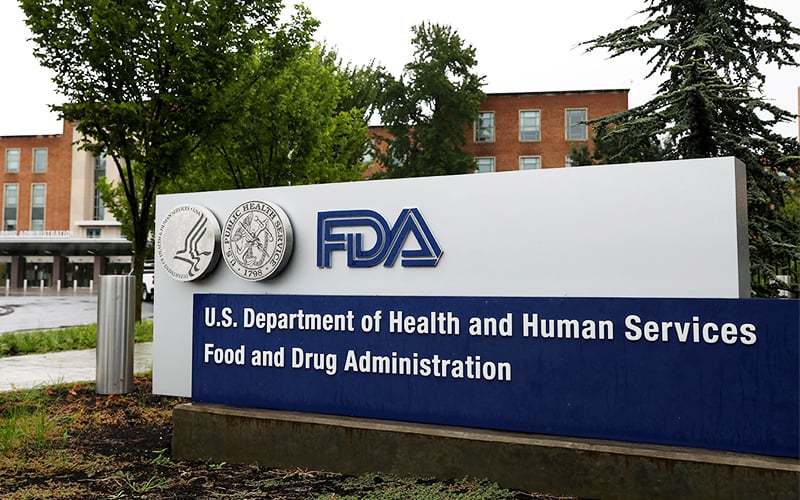
Last week, the Department of Health and Human Services (HHS) called off a bargaining session with the National Treasury Employees Union (NTEU), according to a Reuters report published today. NTEU, the largest union representing FDA workers, covers nearly 9,000 agency employees. The cancellation came days after a federal judge issued an injunction blocking Trump’s executive order that sought to exclude certain federal agencies, including the FDA, from collective bargaining obligations due to their national security functions. The canceled session would have addressed mass layoffs at the FDA ordered by Health Secretary Robert F. Kennedy Jr. in March. Although the union’s contract requires bargaining over the impact and implementation of layoffs, NTEU says it had no opportunity to negotiate before the April 1 layoffs.
Meanwhile, in New York, members of 1199SEIU—one of the largest and most influential health care unions in the country—voted to oust longtime president George Gresham, electing challenger Yvonne Armstrong and her running mate Veronica Turner-Biggs. Armstrong leads the union’s long-term care division and ran on a reform platform promising transparency and member-led governance. The upset is particularly notable in New York, where it is rare for union leaders to lose internal elections given labor’s entrenched political power. Armstrong and Turner-Biggs will assume leadership amid an internal audit of Gresham’s spending and a federal investigation prompted by allegations that he misused union funds for personal and political gain. In a statement following the victory, the Members First Unity Slate thanked members for their “courage” and pledged to usher in “a new chapter” for the union.

Daily News & Commentary
Start your day with our roundup of the latest labor developments. See all
June 23
The Supreme Court declines review of a taxpayer lawsuit against a teacher union's paid leave policy; Congressional Democrats oppose Labor Department's proposed joint employer rule.
June 22
Pro-labor candidate wins DC mayoral primary; Department of Labor secures court order regarding back wages.
June 21
The Bolivian government declares a state of emergency in response to union-led protests, and hotel workers in Philadelphia strike amidst World Cup celebrations.
June 19
The Supreme Court declines to hear a challenge to a Ninth Circuit decision upholding Thryv remedies, and tech workers receive mixed messaging about AI use.
June 18
Teamsters re-elect Sean O'Brien; Teamsters and DOJ move to end federal monitorship.
June 17
Bezos predicts AI will create labor shortage; Canada introduces legislation to strengthen forced labor import ban.