
Finlay Adamson is a student at Harvard Law School.
In today’s news and commentary, the Association of Flight Attendants-CWA reach a tentative agreement with United Airlines; Whole Foods workers in Philadelphia receive union certification; and the One Big Beautiful Bill Act has significant implications for American workers.
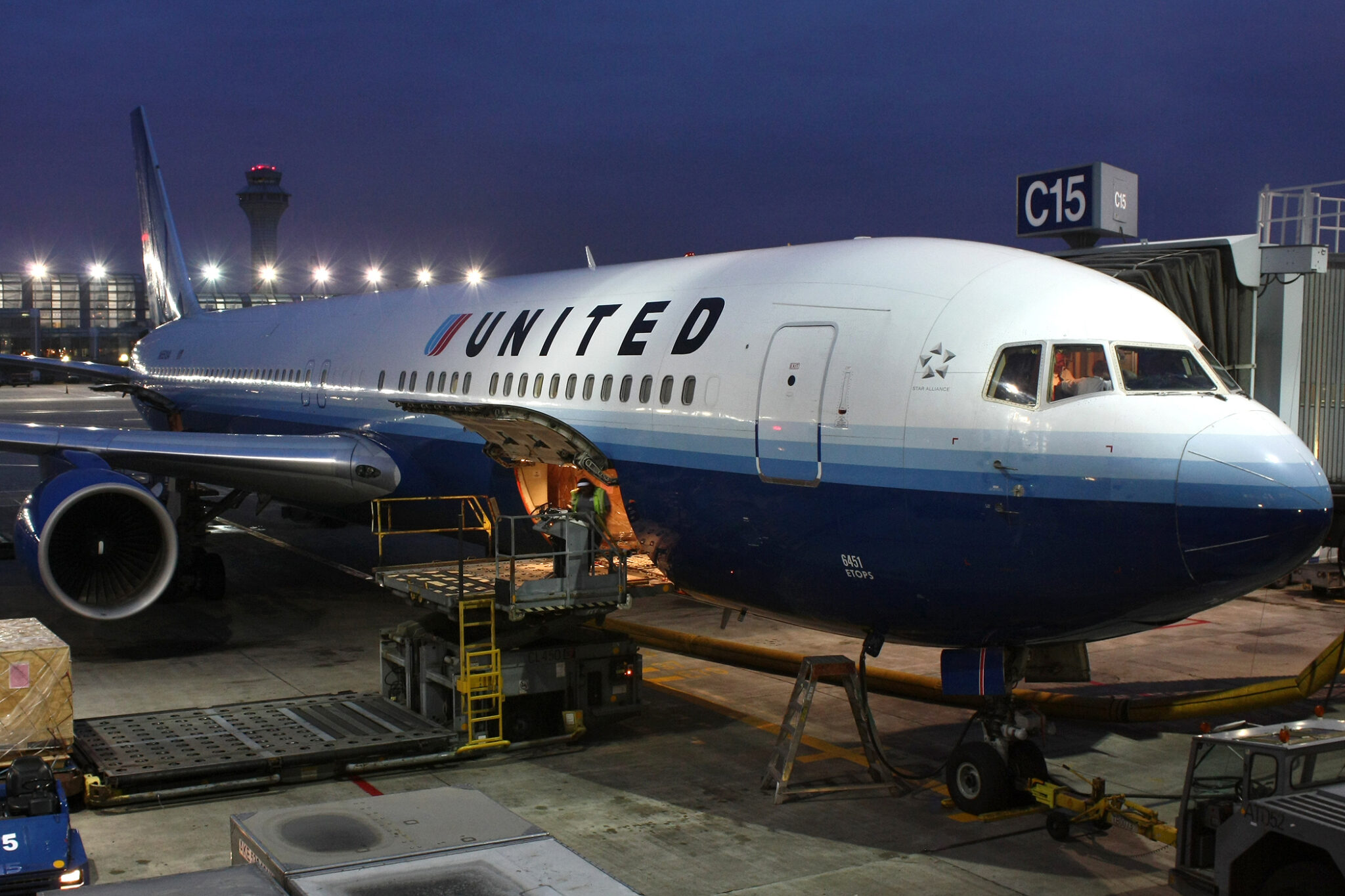
The Association of Flight Attendants-CWA reached a tentative agreement with United Airlines on Friday that would impact 28,000 flight attendants. The proposed contract will provide United flight attendants a 40% gain in “total economic improvement”; United attendants have not received a raise since 2020. The agreement also includes “quality of life” enhancements regarding reserve periods, where attendants must be on-call to work at any time on short notice. The agreement follows last year’s vote by United flight attendants in favor of strike authorization if contract negotiations failed. No additional details of the deal have been released, and it awaits review by union leadership and ratification by members.
On Friday, Whole Foods workers in Philadelphia’s Central City became the first group of Whole Foods workers to secure union certification in the US. Certification comes following the workers’ January vote of 130-100 in favor of unionization. The regional director of the NLRB rejected arguments by Whole Foods that UFCW organizers coerced workers into unionizing, finding they were “without merit”. Workers at the Central City location have faced severe anti-union pressure from the Amazon-owned company since voting to unionize, with eight union supporters fired between January and April for not following store policies regarding food samples. Whole Foods maintains that the union “engaged in conduct which impermissibly interfered with, and therefore deprived, voters of a free and fair election,” and will likely appeal the regional director’s decision to the NLRB. Given that the NLRB currently lacks a quorum following President Trump’s firing of Gwynne Wilcox, a final decision is not forthcoming.
The House passed the One Big Beautiful Bill Act by a vote of 215-214, following intense lobbying by President Trump and Republican leadership. The Act’s sprawling agenda has significant implications for working Americans, including $1.1 trillion in cuts to Medicaid, SNAP, and various federal health programs. Once factoring in these cuts, researchers at Penn Wharton estimate that the Act will cost Americans earning less than $17,000 a year an average of $1,035 in post-tax income. Americans earning between $17,000 and $51,000 will lose $700 in post-tax income. The Act also includes the elimination of federal income tax on tips. This policy enjoys bipartisan support in the Senate, which passed the No Tax on Tips Act earlier this week. While eliminating income taxes on tips represents one of President Trump’s “pro-worker priorities,” the actual effects of the policy would likely be muted given that over a third of tipped workers don’t make enough to pay federal income tax. Additionally, the plan may ultimately incentivize employers to create more tip-based positions and lower base wages.




Daily News & Commentary
Start your day with our roundup of the latest labor developments. See all
October 12
Workers at the Obama Foundation begin organizing; MLB submits its latest collective bargaining agreement proposal; Brigham & Women's nurses postpone strike.
October 11
UAW President Shawn Fain succeeds in his reelection bid, and Spanish unions call for a general strike.
October 9
DHS proposes a $100k fee for the foreign grad employment program; Trump suspends tech company access to green card program; and private equity perpetuates poor working conditions for home care workers.
October 8
NLRB judge finds UPS unlawfully restricted union insignia; Harvard graduate workers authorize second strike; OSHA orders Union Pacific to pay $300,000 in damages in whistleblower case.
October 7
DOL scraps plan to remove decades-old wage-and-hour guidance from federal regulations; New York enacts personnel records access law; Starbucks loses bid to dismiss Workers United trademark suit.
October 6
Protect College Sports Act dampens athlete unionization outlook; Stanford RA union decides to withdraw petition