
Gilbert Placeres is a student at Harvard Law School.
In today’s News & Commentary, workers at two Mercedes-Benz plants near Tuscaloosa, Alabama vote against unionizing with the UAW, workers at New Flyer Industries electric bus plant in Alabama ratify a contract, and California legislators shelve a “right to disconnect” bill.
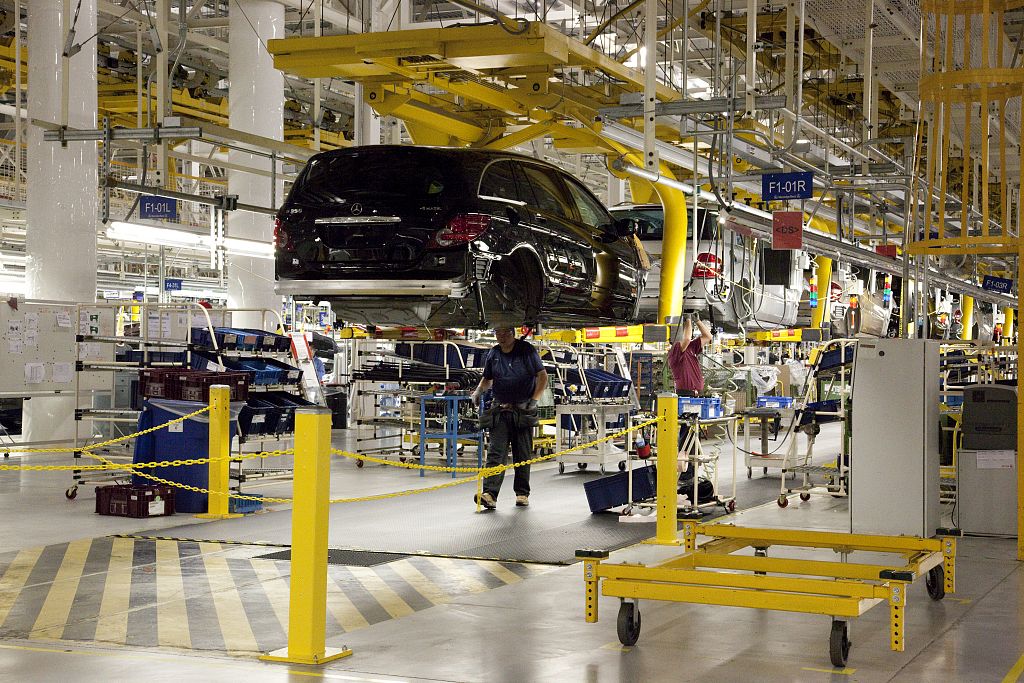
A month after a historic win at a Volkswagen plant in Chattanooga, workers at two Mercedes-Benz plants near Tuscaloosa, Alabama voted 56% to 44% against unionizing with the United Autoworkers. The loss represents a setback in the UAW’s campaign to organize 150,000 workers at 14 carmakers and comes after fierce resistance by Republican political leadership and alleged illegal anti-union retaliation. “Alabama is the new little Detroit. You have Honda, Mercedes, Toyota and the cars that people love to drive and they love to buy. It’s all built right here in Alabama,” explained one worker as to why so many saw this election as having particular significance to the UAW’s campaign to unionize southern autoworkers. As Sunah wrote about this week, Republican Governor Kay Ivey vehemently opposed the campaign, including signing anti-union legislation and putting out an anti-union statement with other southern governors. So did Mercedes, against which the UAW has filed six unfair labor practice complaints, including for preventing distribution of union materials and firing workers involved in union organizing.
In a statement, UAW President Shawn Fain touted the concessions the organizing campaign triggered, like higher wages and replacement of an anti-worker CEO, and criticized Mercedes’ “egregious illegal behavior.” Ultimately, in Fain’s view, “This is a David and Goliath fight. Sometimes Goliath wins a battle. But David wins the war.” Mercedes denied the allegations and instead framed the result as their employees’ decision, saying “We thank all team members who asked questions, engaged in discussions, and ultimately, made their voices heard on this important issue.”
On election day, workers reminded themselves it took the Volkswagen Chattanooga workers three elections until they finally won the union. When asked how he would respond to a loss, worker leader Rob Lett seemed to agree with Fain: “Essentially just go to work like normal and figure out how we’re going to organize the next time. Mercedes is going to be unionized. It doesn’t matter if it’s Friday or in the future. There’s too much frustration there for us to not eventually unionize.”
In contrast, also in Alabama, workers at a New Flyer Industries (NFI) electric bus plant have ratified a contract after unionizing earlier this year with the Communications Workers of America. The workers won up to 38% pay increases by 2026, restrictions on overtime, and expanded paid time off, including Juneteenth as a holiday. “We’d like to set the tone that just because this is Alabama, you can’t pay us pennies,” said bargaining committee member William Hunt, viewing their organizing as a part of the broader momentum of Southern autoworkers. The workers collaborated with labor advocates and progressive nonprofits in a years-long campaign to unionize NFI, including lobbying local governments considering buying NFI’s buses and publicizing racism at the company. These pressures led NFI to agree to neutrality and card check recognition, after anti-union tactics such as mandatory meetings derailed previous organizing campaigns. The 600 workers in Anniston, Alabama join three other recently unionized NFI plants, totaling about 1,200 total employees.
Lastly, in California, the legislature shelved a bill that would give workers a right to ignore work-related calls and emails after hours. Proponents of AB 2751 argued it protected boundaries between the personal and work lives of professionals in an era of smartphones and remote work, while critics viewed the bill as encroaching on workplace flexibility and the California Chamber of Commerce called it a “job killer.” The bill would have required employers to put in place “right to disconnect” policies for workers, allowing them to ignore off-hour communications, except for scheduling and emergencies. Twelve other countries, such as Australia, France, and Mexico, have these laws place. The bill’s author, Democratic San Francisco Assemblymember Matt Haney, said he will continue advocating for the legislation.




Daily News & Commentary
Start your day with our roundup of the latest labor developments. See all
October 23
Employers increasingly shift health care costs onto workers and NYC proposes placing restrictions on fully automated customer service.
October 22
SCOTUS declines Wilcox appeal; Penn State research assistants win bargaining rights; SEIU sued over military leave firing.
October 21
DOL withdraws tipped-worker rule; Instacart settles hiring-bias claims; Phillips 66 locks out New Jersey refinery workers.
October 20
Korean unions oppose labor exemption bill; Portland city workers prepare for strike; UPenn grad student union looks to dismiss university filing
October 19
FDA reverses course on policy prohibiting off-duty union activity; FAA and NATCA reach deal to secure pay increase for air traffic controllers.
October 18
Federal judge again halts cancellation of the Bureau of Prisons’ CBA; tabletop gaming workers face roadblocks in union recognition.