
In today’s News and Commentary, Florida’s legislature considers proposals targeting unions, the University of Massachusetts Amherst is restructuring its Advancement office putting over 100 state jobs in jeopardy, UAW locals and Caterpillar have reached a tentative agreement, and ambulance unions in England suspend strikes to enter negotiations with the government.
On Friday, Republicans in Florida’s House of Representative filed a proposal, which would revise provisions pertaining to public sector union employees. HB 1445 would prevent the deduction of union dues directly from employees’ paychecks. Florida’s Senate will take up its version of this bill, SB 256, this week. SB 256 requires a union to maintain representation of 60% of eligible workers in order to be recognized. Along with Florida’s right-to-work status, these bills threaten unions’ abilities to attract and retain members. Both bills exempt law enforcement and firefighter unions from the proposed changes. Florida’s legislature has considered similar bills in the past, without success, however, Republicans now have a supermajority in the state legislature.
The University of Massachusetts Amherst is restructuring its UMass Advancement office, a move that university unions say will result in the privatization of more than 100 state jobs. The university argues that the jobs in question must be reclassified under the UMass Amherst Foundation (UMAF) nonprofit in order to comply with state pension rules. The restructuring will require the elimination of the public positions and their recreation as private UMAF positions, which current employees will then have to apply for. The University Staff Association and the Professional Staff Union have filed charges against UMass with the Department of Labor Relations, claiming the university bargained in bad faith, retaliated against union employees, and engaged in anti-union activity.
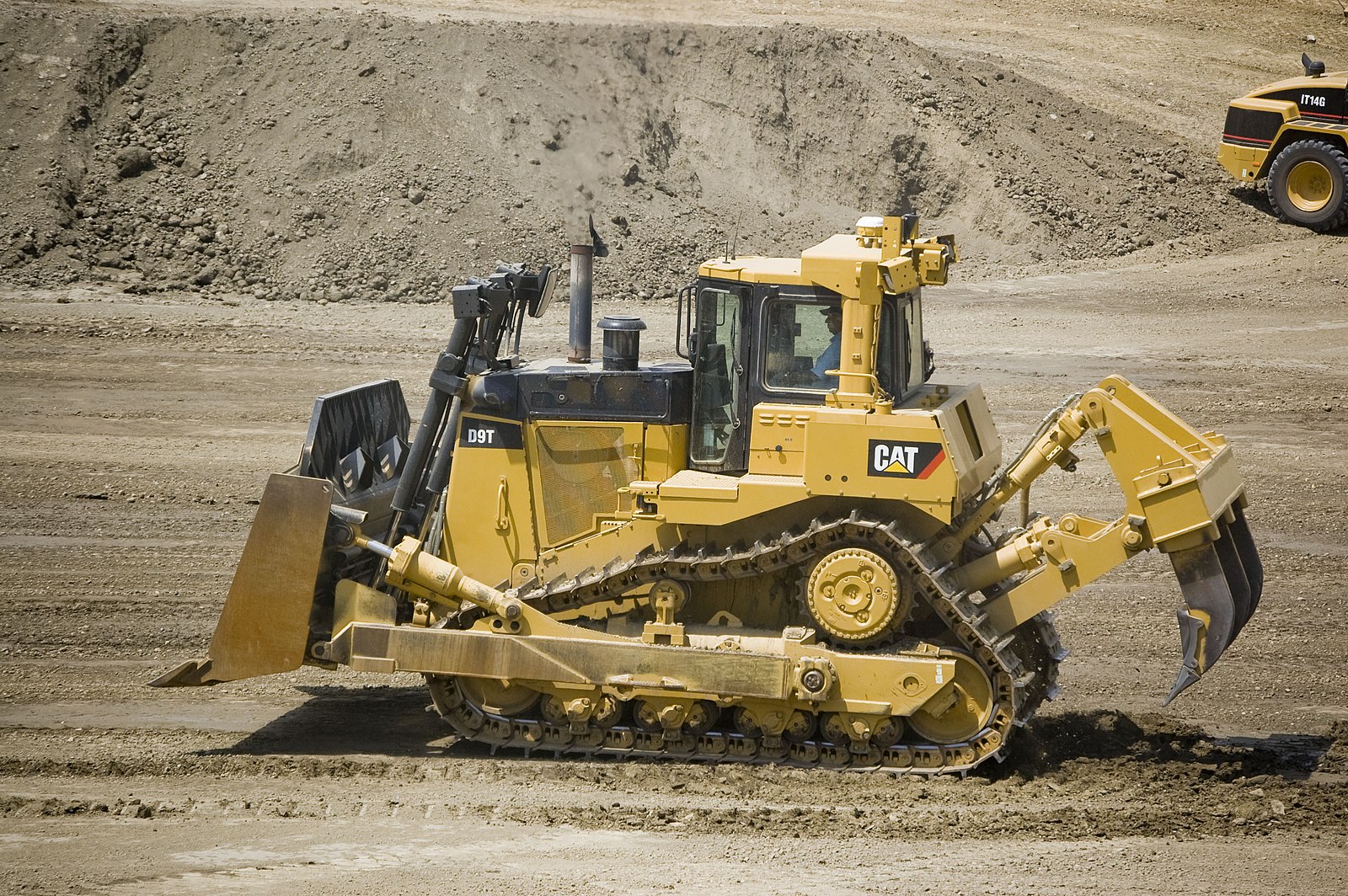
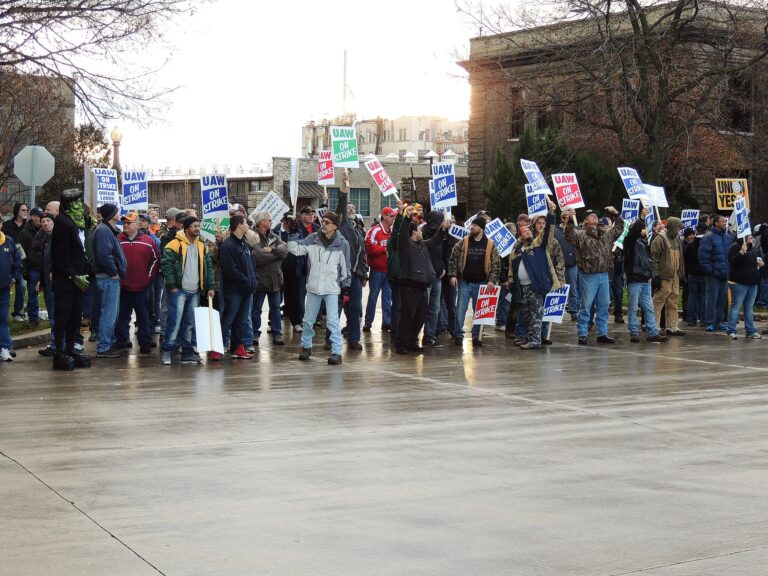
Four United Auto Workers (UAW) locals in Illinois and Pennsylvania have reached a tentative agreement with construction equipment manufacturer Caterpillar. After a January vote passed with over 98% over union members in favor, both the unions and the company have been preparing for a possible strike. The UAW increased strike pay to $500 per week. Caterpillar trained salaried employees to manage factory operations in the event of a strike. The union was seeking improvements to benefits, 401(k)s, and vacations. Details of the agreement have not been released. Members will continue to work under the old agreement until a vote is scheduled to ratify the new contract.
Three ambulance unions, representing tens of thousands of workers across England, have agreed to suspend proposed strikes in order to enter pay negotiations with the government. The strikes were scheduled for Monday and Wednesday of this week. The unions are seeking a one-off cost-of-living payment along with a new pay deal in this contract negotiation. The ambulance union strike is just one of many the National Health Service is dealing with in the first quarter of 2023. Nursing unions suspended a strike in February after a government promise to negotiate pay. Junior doctors are still set to strike in mid-March.



Daily News & Commentary
Start your day with our roundup of the latest labor developments. See all
March 22
In today’s news and commentary, a resurgence in salting among young activists, Michigan nurses go on strike, and states explore policies to support workers experiencing menopause. Many unions have historically sprung up as the result of workers organizing their own workplaces. Young people drawing on that tradition have driven a resurgence in salting, or the […]
March 20
Appeal to 9th Cir. over law allowing suit for impersonating union reps; Mass. judge denies motion to arbitrate drivers' claims; furloughed workers return to factory building MBTA trains.
March 19
WNBA and WNBPA reach verbal tentative agreement, United Teachers Los Angeles announce April 14 strike date, and the California Gig Workers Union file complaint against Waymo.
March 18
Meatpacking workers go on strike; SCOTUS grants cert on TPS cases; updates on litigation over DOL in-house agency adjudication
March 17
West Virginia passes a bill for gig drivers, the Tenth Circuit rejects an engineer's claims of race and age bias, and a discussion on the spread of judicial curtailment of NLRB authority.
March 16
Starbucks' union negotiations are resurrected; jobs data is released.