
Ajayan Williamson is a student at Harvard Law School.
In today’s news and commentary, Vietnamese nail technicians challenge California independent contractor reclassification; the Ninth Circuit hears arguments in First Amendment challenge to Washington antidiscrimination protections; and a federal judge temporarily blocks DOL elimination of Job Corps centers.
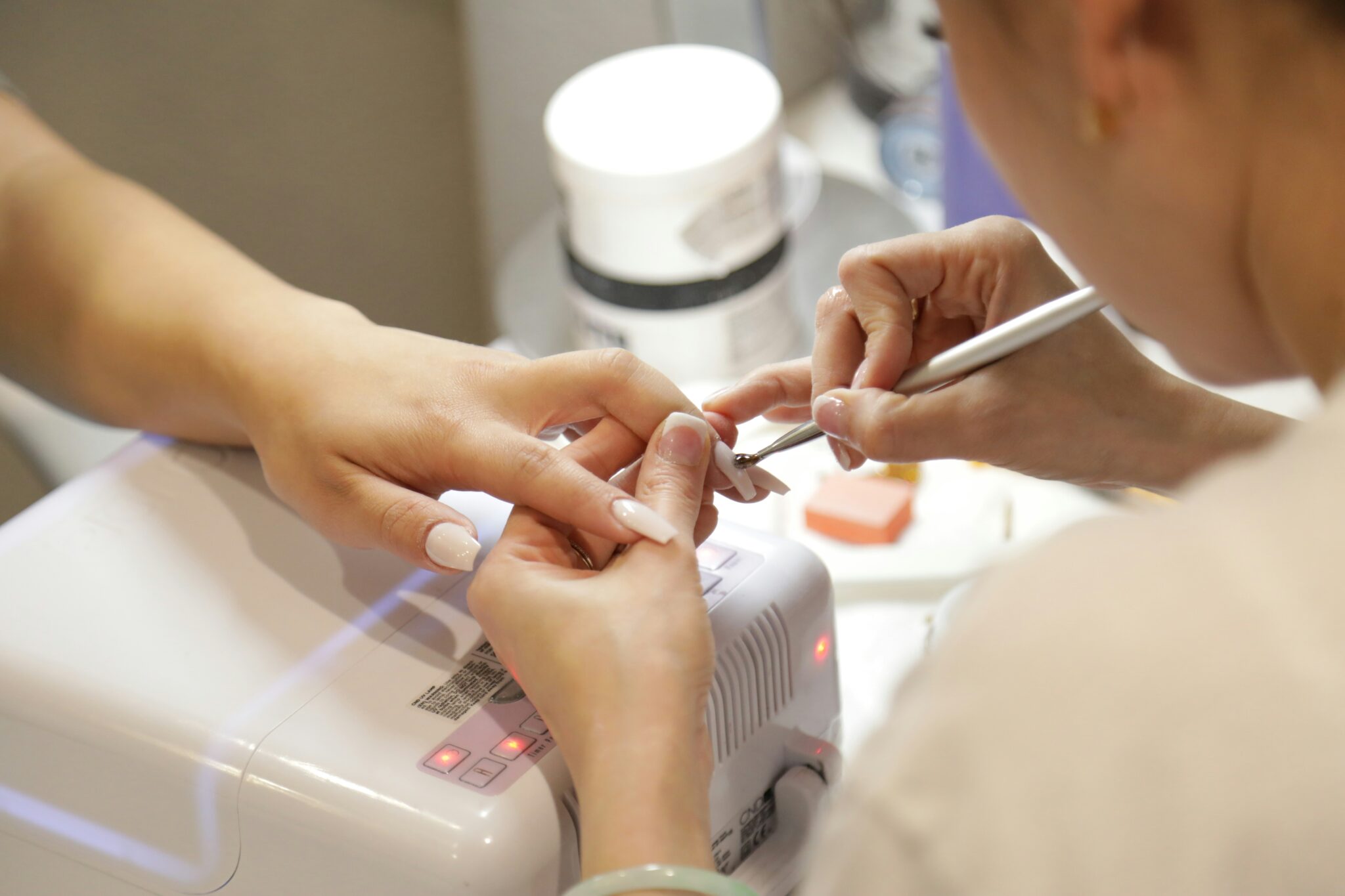
Last Friday, a group of Vietnamese nail salon owners and workers filed suit against the state of California alleging discrimination in a law that required classifying nail technicians as employees instead of independent contractors. The challenged law codified a 2018 state supreme court decision altering the test for differentiating independent contractors from employees — while the law carved out certain professions, the exception for nail technicians expired this year. The suit alleges that the reclassification discriminates by race and gender, given that 82% of nail technicians in California are Vietnamese, 85% are women, and other professionals in the beauty industry can still be classified as contractors. Workers supporting the lawsuit at a press conference on Monday said that employee status “doesn’t work for everyone” — proponents of the law note that technicians continue to be chronically underpaid.
Meanwhile, the Ninth Circuit heard oral arguments this week in a case challenging the state of Washington’s protections for LGBTQ workers. The Washington Law Against Discrimination (“WLAD”) prohibits employers from making hiring decisions based on sexual orientation. The law originally exempted religious nonprofits, but a 2021 decision from the Washington Supreme Court held that application of the exemption could violate the state constitution; the U.S. Supreme Court declined to take the case, but Justices Alito and Thomas indicated interest in revisiting the issue. After that decision, the Union Gospel Mission of Yakima filed this suit in federal court, claiming that the newly interpreted statute violates the First Amendment. Tuesday’s oral arguments evaluated a preliminary injunction that the District Court granted last November: Judges asked some questions about the merits, and others about whether the case had been mooted by state officials’ promises not to enforce the statute in certain cases. If the panel rules on the merits, then the issue could end up back on the menu for the Supreme Court.
Finally, a federal judge in New York issued a temporary restraining order yesterday against the Department of Labor’s recent decision to begin a “phased pause” in operations at Job Corps centers. The Job Corps program has offered free education and vocational training to youth since the 1960s, but Labor Secretary Lori Chavez-DeRemer cited safety risks and financial concerns as reasons to shut down the program. The suit was filed on Tuesday by a coalition of contractors who operate the centers, including the Transportation Communications Union, which contracts with DOL to provide trainings. The plaintiffs primarily allege violations of the Administrative Procedure Act, including that DOL “failed to consider the extraordinarily harmful consequences of its decision.” Local reporting from across the country seems to agree.





Daily News & Commentary
Start your day with our roundup of the latest labor developments. See all
October 16
Department of Labor reduces wage-and-hour enforcement at unionized workplaces; Fain's victory poses question of federal monitor's extension.
October 15
New reporting examines the rollback of child labor protections; California tries to block a strike; NLRB charges Wisconsin mental health provider with firing workers during union drive.
October 14
Eleventh Circuit overturns ERISA exhaustion rule; DHS finalizes removal of automatic renewal for work permits; AFGE challenges SSA over flexible scheduling policy.
October 13
Chicago hotel workers remain on strike; a coalition of Democratic states sues the Labor Department over canceled unemployment insurance grants; the Federal Labor Relations Authority establishes a new mediation framework for federal worker disputes.
October 12
Workers at the Obama Foundation begin organizing; MLB submits its latest collective bargaining agreement proposal; Brigham & Women's nurses postpone strike.
October 11
UAW President Shawn Fain succeeds in his reelection bid, and Spanish unions call for a general strike.