
Morgan Sperry is a student at Harvard Law School and also serves as OnLabor's Social Media Director.
In today’s News and Commentary, the International Longshore and Warehouse Union and port officials negotiate, and the WGA strike continues.
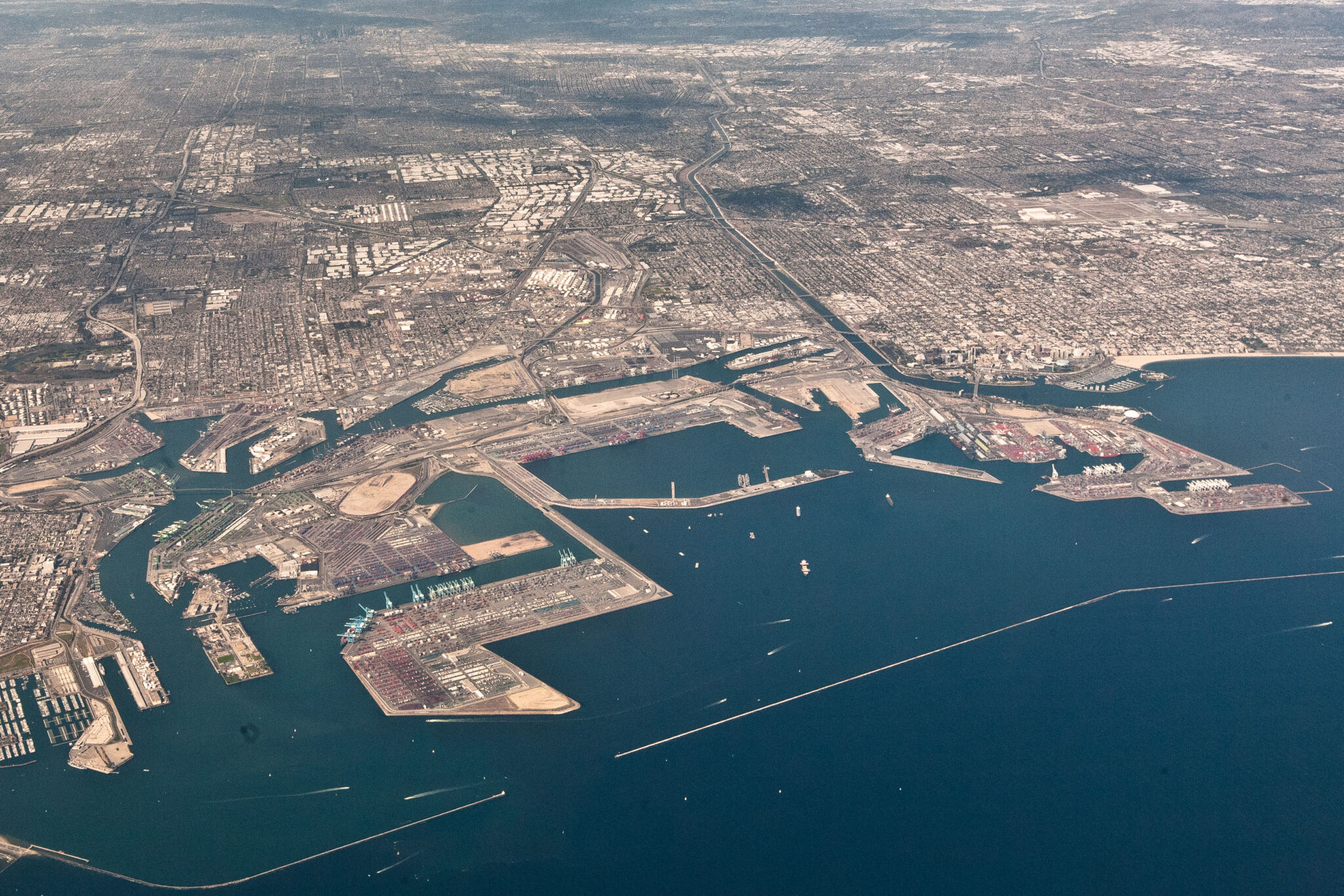
Over the weekend, the International Longshore and Warehouse Union (ILWU) continued to push for a fair and equitable contract with the Pacific Maritime Association (PMA). Noting that PMA members and terminal operators made a record $510 billion during the pandemic while ILWU workers put their lives on the line to maintain service, workers across West Coast ports are pushing for a contract that passes on to them some of those unprecedented economic gains. The PMA, meanwhile, claims that the ILWU has “effectively shut down” ports in Los Angeles, Long Beach, and Oakland—which manage approximately 40 percent of all U.S. cargo imports from Asia—as negotiations have stalled. Echoing the talking points deployed during last year’s railway strike, the PMA has called upon the White House to intervene, citing possible economic losses in the magnitude of $500 million a day.
As the WGA strike enters its sixth week, the Alliance of Motion Picture and Television Producers (AMPTP) has reached a tentative agreement with the Directors Guild of America (DGA) “confirming that A.I. is not a person and that generative A.I. cannot replace the duties performed by members.” Notably, the WGA has also sought from the AMPTP—and thus far been denied—this same guarantee.





Daily News & Commentary
Start your day with our roundup of the latest labor developments. See all
October 11
UAW President Shawn Fain succeeds in his reelection bid, and Spanish unions call for a general strike.
October 9
DHS proposes a $100k fee for the foreign grad employment program; Trump suspends tech company access to green card program; and private equity perpetuates poor working conditions for home care workers.
October 8
NLRB judge finds UPS unlawfully restricted union insignia; Harvard graduate workers authorize second strike; OSHA orders Union Pacific to pay $300,000 in damages in whistleblower case.
October 7
DOL scraps plan to remove decades-old wage-and-hour guidance from federal regulations; New York enacts personnel records access law; Starbucks loses bid to dismiss Workers United trademark suit.
October 6
Protect College Sports Act dampens athlete unionization outlook; Stanford RA union decides to withdraw petition
October 5
Delaware bans captive audience meetings; EEOC settles remote work national origin discrimination claim; First Circuit stays enforcement order in VA's dispute with AFGE.