
Holt McKeithan is a student at Harvard Law School.
In today’s News and Commentary, the California Supreme Court upholds Uber and Lyft-backed Prop 22, video game workers take action, and a federal judge sides with SpaceX over the NLRB.
Yesterday, the California Supreme Court upheld Proposition 22, a ballot measure that classifies drivers of ride-hailing apps as independent contractors rather than employees. The court rejected a constitutional challenge to the law. Opponents argued it would limit the state legislature’s ability to oversee workers’ compensation. The initiative was first passed in 2020 behind an enormous lobbying campaign in which gig companies spent $200 million to support the measure. Yesterday’s ruling means that the hundreds of thousands of drivers who work for Uber and Lyft in California will continue to be classified as independent contractors. While Uber and Lyft cheered the decision, the plaintiff, Hector Castellanos, condemned it. According to the New York Times, he said the ruling comes “at the expense of the Black, brown, and immigrant workers.”
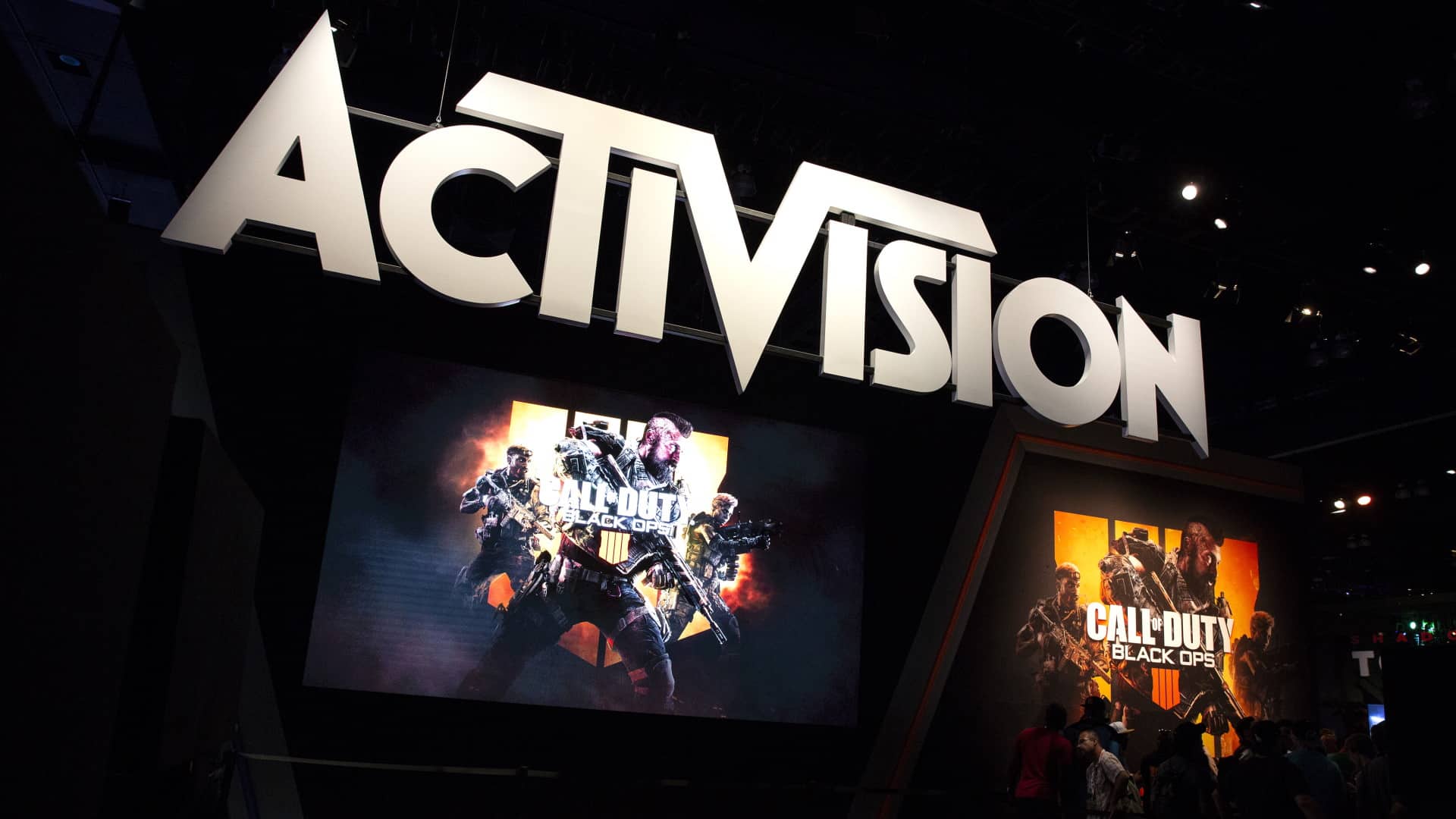
Yesterday, the SAG-AFTRA actors’ union called a strike against video game companies that use actors’ images or voices in games. SAG-AFTRA is seeking higher wages and job protections from artificial intelligence. “We’re not going to consent to a contract that allows companies to abuse A.I. to the detriment of our members,” said Fran Drescher, the union’s president. Members of the union, who number 160,000, will no longer voice act in video games produced by Activision Blizzard, Electronic Arts and eight other companies.
Additionally, more than 500 Activision Blizzard workers behind the World of Warcraft franchise have voted to unionize. The employees are joining the Communication Workers of America. The union is the largest of this kind at a Microsoft-owned studio. The workers’ organizing efforts were aided by the labor neutrality provision Microsoft agreed to when it bought Activision Blizzard last year.
Earlier this month, a Western District of Texas judge preliminarily enjoined the NLRB’s unfair labor practice proceedings against SpaceX. On Tuesday, the Trump appointee published his rationale. John explains the ruling here. In short, Judge Albright held that removal protections for NLRB administrative law judges are unconstitutional.
Check out other recent OnLabor posts, including Holden, Jacqueline, and John’s analysis of JD Vance’s labor record. (It’s not good). Ben and Riva also break down how California can work around Cedar Point to ensure union access.



Daily News & Commentary
Start your day with our roundup of the latest labor developments. See all
July 30
Supreme Court denies Cemex's bid to pause bargaining order; employers remain exposed to Title VII suits over English-only rules; Texas judge declines to enjoin NLRB proceeding despite unconstitutional removal protections.
July 29
NYC public defender strikes spread to the Bronx; NLRB drops challenge to New York labor law after Amazon wins its case; new data shows appointments of women and minorities to S&P 500 boards at lowest level in a decade.
July 28
DOJ drops charges against SEIU California president; Massachusetts nurses file ULP against hospital; Democratic lawmakers look to remove damage caps in employment discrimination cases
July 27
NY Port Authority proceeds to trial on PUMP Act case; First Circuit denies stay in order vacating H-1B visa fee; DC Circuit panel denies First Amendment claim over disclosure of confidential emails in allegation of prison's COVID-19 mismanagement.
July 24
EEOC drops request for UPenn's Jewish staff; Starbucks defeats mail-in ballots; and Mamdani appoints Lina Khan.
July 23
Ninth Circuit affirms ban of transphobic books in school; leading demographer warns of impending labor shortage.