
Swap Agrawal is a student at Harvard Law School.
In this weekend’s news and commentary, UPS begins training non-union delivery drivers as a strike looms closer, and building trades unions reach a compromise with Maine Gov. Janet Mills over offshore wind projects.
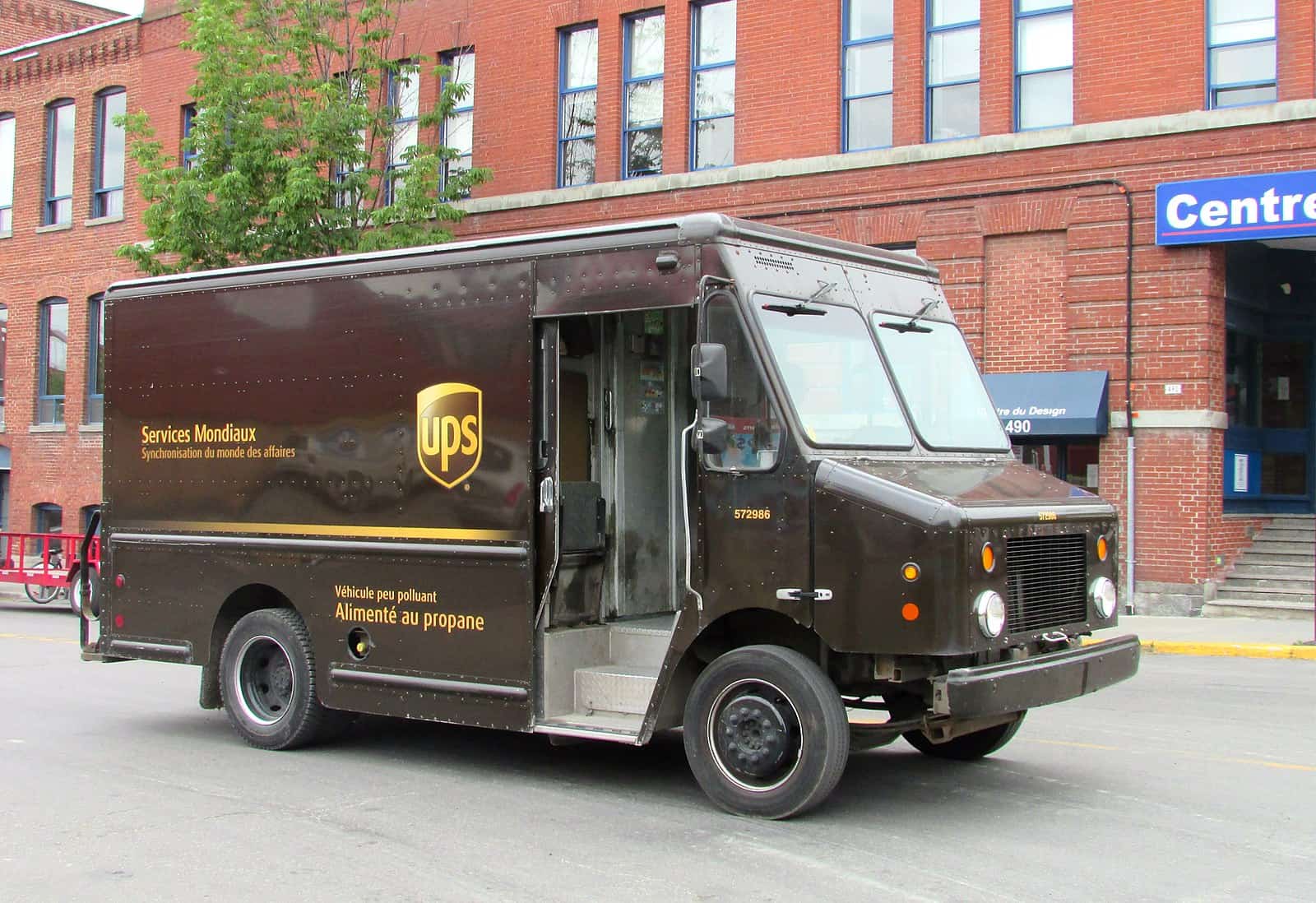
On July 14, United Parcel Service (UPS) said it will begin training non-union delivery drivers soon as the threat of a strike by their 340,000 union employees grows. In a statement on Friday, UPS announced that employees will “participate in training that would help them safely serve our customers if there is a labor disruption.” UPS said that this was a “temporary plan” and not an effort to walk away from negotiations or permanently replace union workers. However, in National Labor Relations Board v. Mackay Radio & Telegraph Co., the Supreme Court held that employers may permanently replace striking workers despite the National Labor Relations Act’s prohibition against employer action that interferes with or impedes or diminishes in any way the right to strike. “What an insult this is to the hardworking men and women who do backbreaking work every day to make this company $100 billion a year,” a Teamsters spokesperson said. “The full-time drivers, and the part-time workers making poverty wages, deserve better from this company.” It remains to be seen whether UPS will be able to replace enough workers in the tight labor market to continue operations if a strike is called.
On July 12, the Appropriation and Financial Affairs Committee of the Maine state legislature advanced an offshore wind bill after building trades unions reached a compromise with Gov. Janet Mills. The bill, known as LD 1895, will procure 3 gigawatts of offshore wind power in the Gulf of Maine by 2040. Gov. Mills vetoed a previous version of the bill last month which would have required project labor agreements (PLA) for Maine offshore wind port and construction projects. PLAs are collective bargaining agreements commonly negotiated between construction unions and employers establishing the terms and conditions of employment for a specific construction project. They generally require contractors to hire workers for the project through a union hiring hall. In a letter to lawmakers, Gov. Mills argued that because 90% of Maine’s construction workforce is nonunion, the “PLA requirement creates a chilling effect for these companies and their workers to participate in, and potentially, build this project.” Supporters of the previous bill argued that PLAs do not prevent non-union contractors from bidding.
Under the amended bill text, contractors would have the option of either signing a project labor agreement or a Community and Workforce Enhancement Agreement (CWEA). The CWEA allows more flexibility for employers while ensuring certain minimum labor standards, including collectively bargained rates, apprenticeship requirements and a ban on the use of independent contractors and temp staffing agencies. Thus, even non-union contractors will be required to pay the statewide wage rates that unions agree upon with their contractors during collective bargaining. Jason Shedlock, president of the Maine Building and Construction Trades Council and an organizer for the Laborers’ International Union (LiUNA), said he does not feel unions lost ground by reframing the deal as a CWEA and making plain that non-union contractors can participate. “We want to be sure this industry is competing over things like technological innovation, as opposed to who can bargain down with workers,” Francis Eanes, director of the Maine Labor Climate Council, a coalition of state unions, told the Prospect. The bill is expected to reach Gov. Mills’ desk this week.





Daily News & Commentary
Start your day with our roundup of the latest labor developments. See all
October 12
Workers at the Obama Foundation begin organizing; MLB submits its latest collective bargaining agreement proposal; Brigham & Women's nurses postpone strike.
October 11
UAW President Shawn Fain succeeds in his reelection bid, and Spanish unions call for a general strike.
October 9
DHS proposes a $100k fee for the foreign grad employment program; Trump suspends tech company access to green card program; and private equity perpetuates poor working conditions for home care workers.
October 8
NLRB judge finds UPS unlawfully restricted union insignia; Harvard graduate workers authorize second strike; OSHA orders Union Pacific to pay $300,000 in damages in whistleblower case.
October 7
DOL scraps plan to remove decades-old wage-and-hour guidance from federal regulations; New York enacts personnel records access law; Starbucks loses bid to dismiss Workers United trademark suit.
October 6
Protect College Sports Act dampens athlete unionization outlook; Stanford RA union decides to withdraw petition