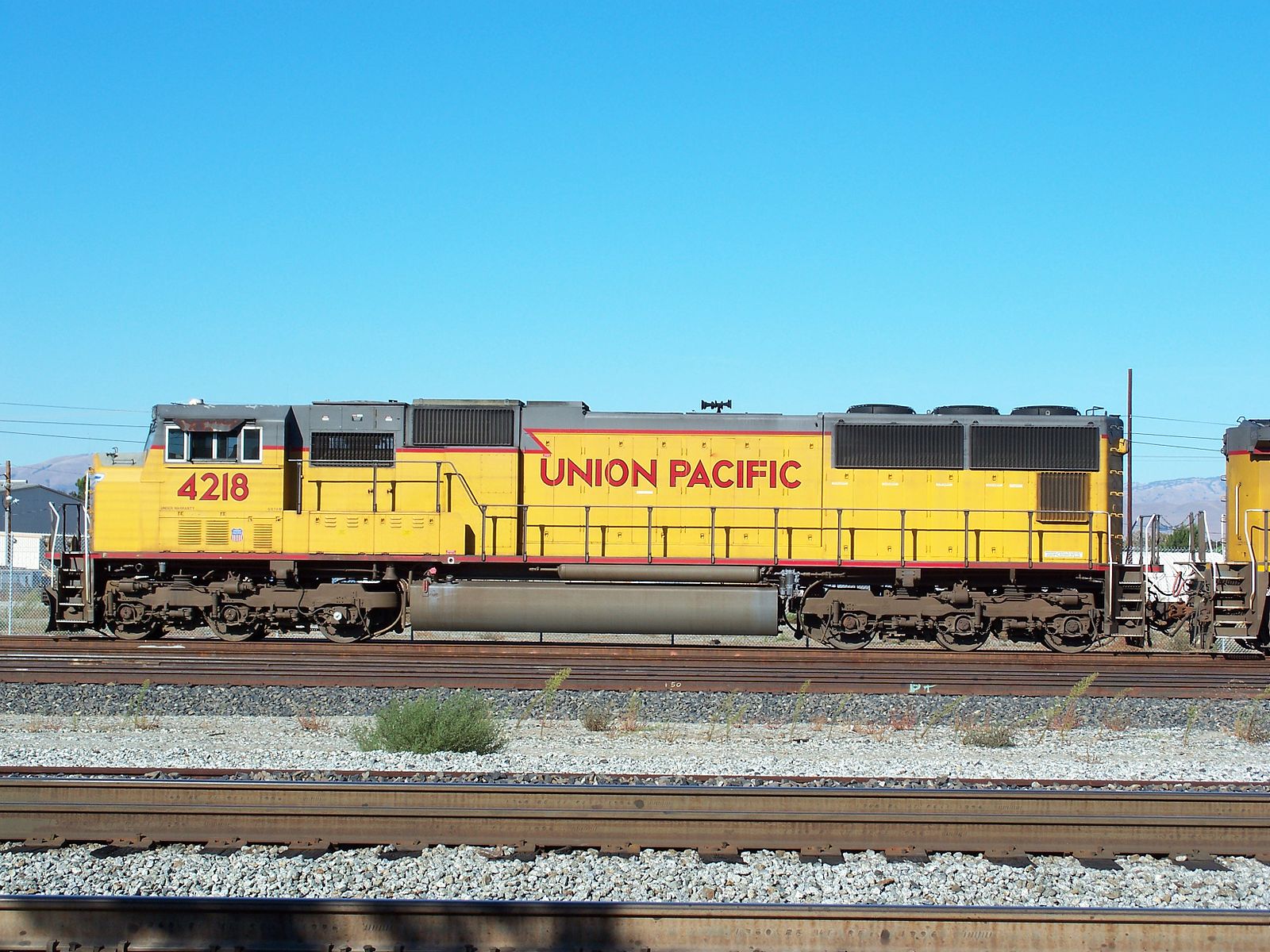

In today’s News and Commentary, the International Association of Sheet Metal, Air, Rail and Transportation (SMART) Workers reached a tentative deal with Union Pacific railroad, the United Auto Workers begin contract negotiations this week with an eye on federal funding of electric vehicles, and SAG-AFTRA members prepare to strike if they can’t reach a deal with the major studios by Wednesday night.
SMART reached a tentative agreement with Union Pacific railroad over the weekend which would provide up to eight paid sick-leave days to approximately 5,900 employees. In June, Norfolk Southern became the first major North American railroad to reach deals providing sick leave to all of its workers. If this weekend’s agreement is ratified, Union Pacific will become the second railroad in the industry to sign paid sick leave deals with all its union employees. The proposal guarantees union members an additional five paid sick days each year and the ability to convert up to three paid leave days for use as paid sick time.
United Auto Workers (UAW) begins contract negotiations this week with the nation’s big automakers. Union leadership has been particularly focused on the impact of the shift to electric vehicles (EV) on union jobs. Priorities going into these negotiations include supporting union employees’ transition from older factories to new EV jobs, and matching EV pay and benefits to those in the gasoline era. President Biden’s administration has made large investments in programs to lower carbon emissions, including supporting the growth of the EV industry. This push has left many union members anxious about their own job security however. Many of the biggest EV and battery factories are opening in southern states, which are hostile to unionization. UAW is withholding its endorsement for Biden’s reelection campaign until after the negotiations, saying it will stand with whoever stands with its members. Some experts suspect that a UAW strike could begin as early as September, when the current contract expires.
SAG-AFTRA’s extended contract officially expires on Wednesday night. If they cannot reach a deal by then, members plan to join the picketers of the Writers Guild of America, who have been on strike for nearly 10 weeks. Negotiations are centered around the payment model changes that have accompanied the streaming era, including tying residuals to a show’s success. Reports from the negotiations indicate that the studios have dismissed such demands. Hundreds of actors, including Meryl Streep and Ben Stiller, encouraged union leadership to push for change and protection, saying, “This is not a moment to meet in the middle.”



Daily News & Commentary
Start your day with our roundup of the latest labor developments. See all
September 17
Unions push to block Google from buying Spirit Airlines employment records; U.S. Department of Labor sues Oklahoma coffee chain over alleged wage violations.
September 16
Trump nominates Catherine Eschbach as EEOC general counsel; NLRB declines to resolve union work-assignment dispute; Allina Health physicians begin four-day strike.
September 15
Documents reveal the inner workings of Amazon's union avoidance program; Washington state public sector unions reach tentative deals amid a difficult bargaining cycle; hundreds of Nevada Culinary Union members protest their union's health care changes.
September 14
NCAA and Big Ten file motion to dismiss in former star player's NIL suit; Seventh Circuit rules against former postal worker in discrimination suit.
September 13
Documents released on the 25th anniversary of the 9/11 attacks show that city officials encouraged workers to return to Ground Zero despite knowing the risks of asbestos exposure, and new polls demonstrate continued widespread support for labor unions.
September 10
Amazon workers allege pregnancy discrimination; federal unions challenge USDA reorganization; NYC warns of silicosis risks.