
Ryan Zhang is a student at Harvard Law School and a member of the Labor and Employment Lab.
In today’s News and Commentary, President Trump nominates Keith Sonderling as Labor Secretary, DOL eliminates disparate-impact liability from Title VI regulations, and OPM finalizes a rule allowing federal employees to be removed through suitability proceedings for post-appointment conduct.
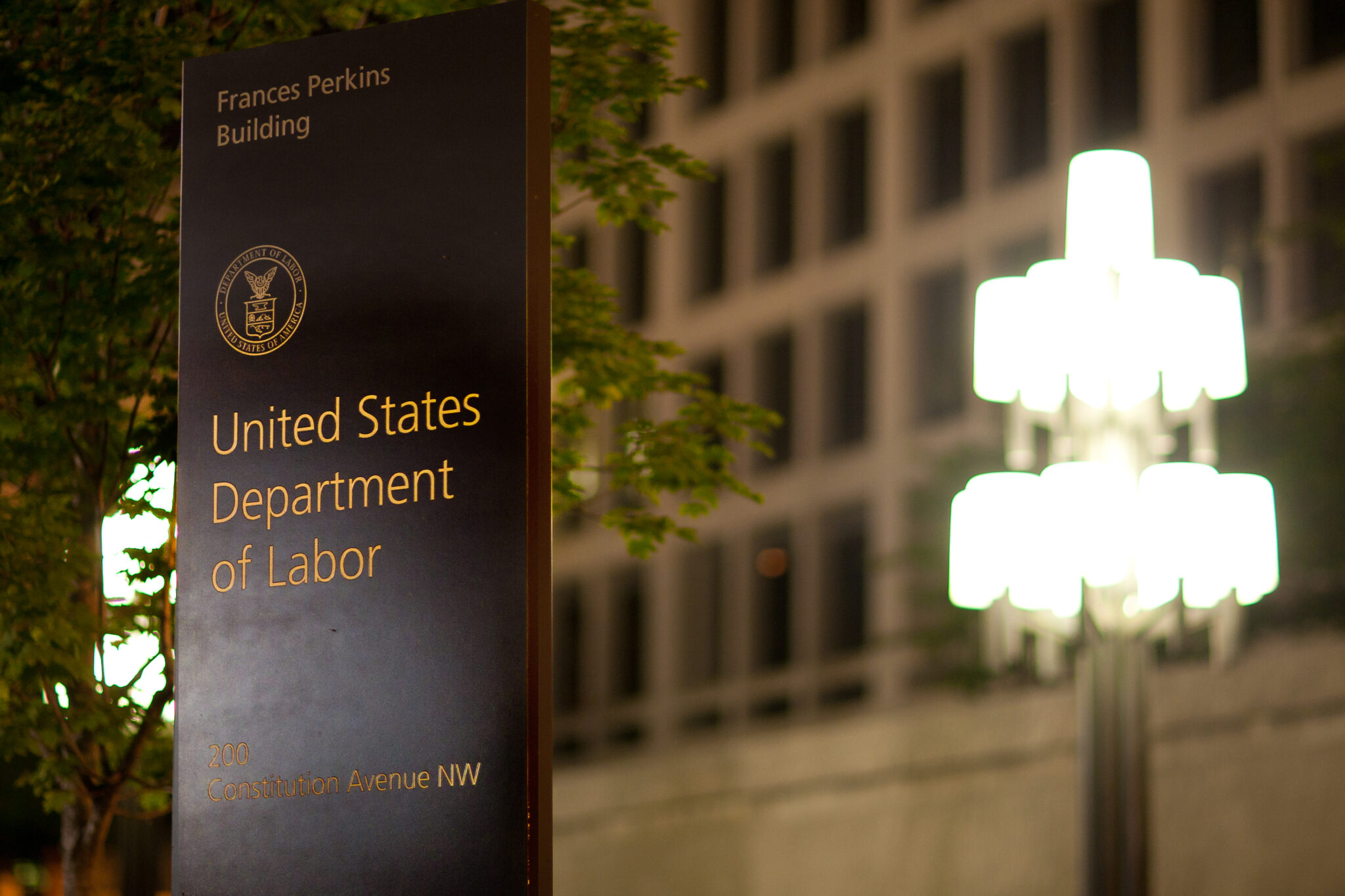
President Trump announced that he will nominate acting Labor Secretary Keith Sonderling to the permanent role. His announcement comes two months after former Secretary Lori Chavez-DeRemer resigned amid inspector general investigations into allegations of misconduct, including drinking on the job and directing staff to perform personal errands. Sonderling, a former Republican EEOC commissioner and deputy Labor secretary, has served in acting capacity since April. During that time, he has defended the administration’s proposed 26% cut to the Department of Labor’s fiscal year 2027 budget, including the elimination of Job Corps, before Senate appropriators who rejected the proposal. The Washington Post has described Sonderling as a “business community ally.”
The Department of Labor published a final rule eliminating disparate-impact liability from its Title VI regulations. The rule rescinds provisions that had prohibited recipients of federal funding from using criteria or methods of administration that have the effect of discriminating on the basis of race, color, or national origin. Going forward, the Department’s Title VI regulations prohibit only intentional discrimination. The rule also eliminates a requirement that funding recipients take affirmative action to remedy the effects of prior discrimination and removes protections against discriminatory employment practices in federally funded programs where employment is not the primary purpose of the federal assistance. The Department justified the changes on statutory, constitutional, and policy grounds, arguing that the Supreme Court’s decisions in Sandoval and Loper Bright confirm that Title VI reaches only intentional discrimination and that disparate-impact regulations exceed the statute’s scope. As a result, recipients of Department of Labor funding, including workforce development programs, Job Corps centers, and apprenticeship programs, can no longer be held administratively liable under Title VI for policies that produce racially disparate outcomes absent proof of intentional discrimination. The Department issued the rule without notice-and-comment rulemaking, invoking the Administrative Procedure Act’s exception for rules relating to grants, benefits, and contracts.
The Office of Personnel Management published a final rule allowing OPM and federal agencies to take “suitability actions,” including removal and governmentwide debarment for up to three years, against federal employees for post-appointment conduct. Previously, OPM could only take such actions based on conduct that occurred before an employee’s appointment. Misconduct by current employees was also handled through Chapter 75 adverse action procedures, which carried greater procedural protections like 30 days advance written notice, the right to an oral reply, and a full evidentiary hearing before the MSPB on appeal. Now, the new rule expands the grounds for suitability actions to include failure to file timely tax returns and theft or misuse of government resources. It also grants OPM sole jurisdiction over post-appointment suitability actions against employees. The rule previously received over 1,400 public comments, with many warning that the change could be used to circumvent due process protections or enable politically motivated firings.




Daily News & Commentary
Start your day with our roundup of the latest labor developments. See all
October 22
SCOTUS declines Wilcox appeal; Penn State research assistants win bargaining rights; SEIU sued over military leave firing.
October 21
DOL withdraws tipped-worker rule; Instacart settles hiring-bias claims; Phillips 66 locks out New Jersey refinery workers.
October 20
Korean unions oppose labor exemption bill; Portland city workers prepare for strike; UPenn grad student union looks to dismiss university filing
October 19
FDA reverses course on policy prohibiting off-duty union activity; FAA and NATCA reach deal to secure pay increase for air traffic controllers.
October 18
Federal judge again halts cancellation of the Bureau of Prisons’ CBA; tabletop gaming workers face roadblocks in union recognition.
October 16
Department of Labor reduces wage-and-hour enforcement at unionized workplaces; Fain's victory poses question of federal monitor's extension.