
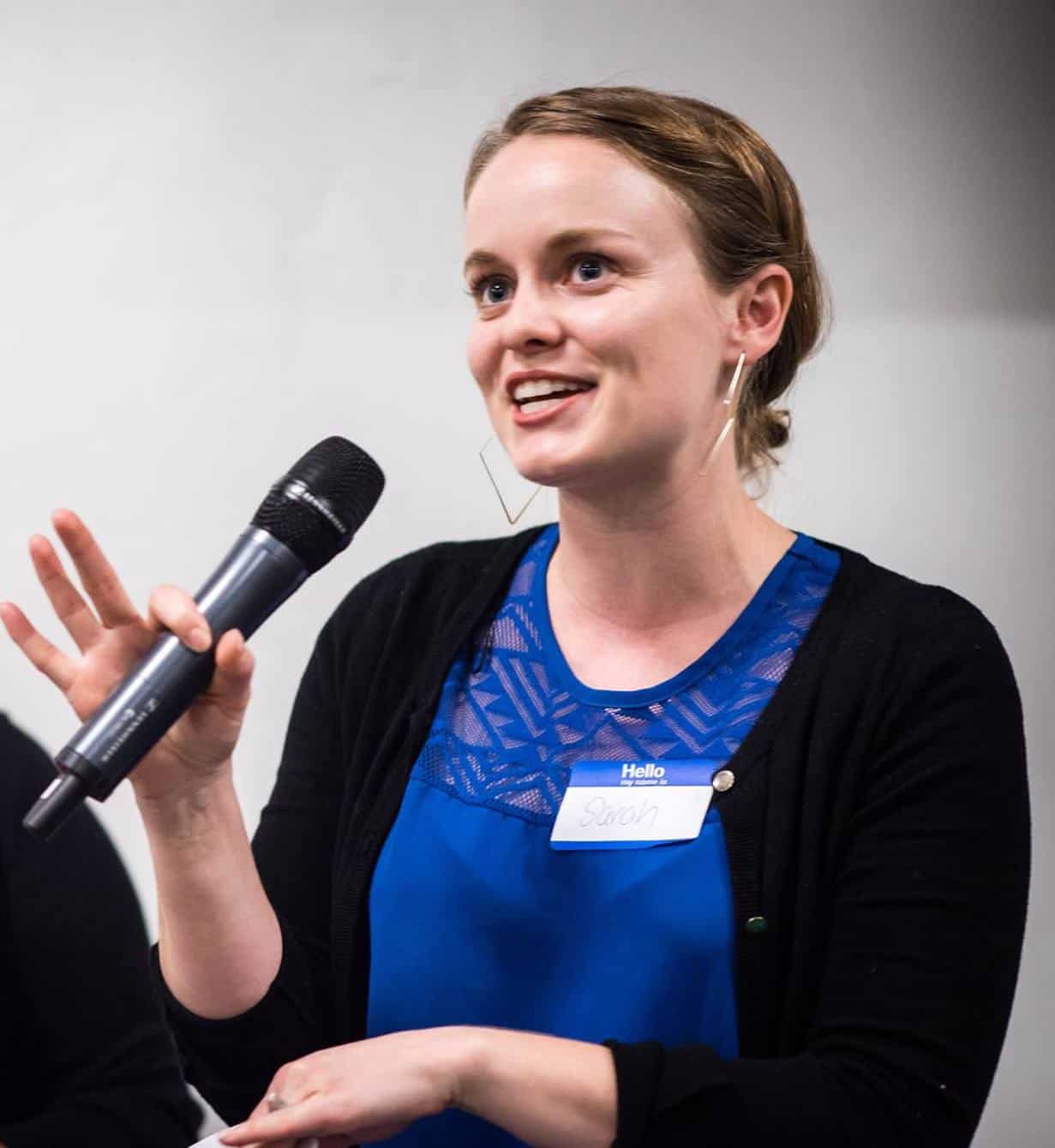
Sarah Leadem is a joint degree candidate at Harvard Law School and the Harvard Kennedy School of Government.
In today’s News and Commentary, the strike wave in the United Kingdom continues into 2023, British rail workers strike this week, and Microsoft video game workers form the first-ever union.
At the close of 2022, the United Kingdom saw its largest wave of strikes in over a decade. Strikes spanned the health, education, transport, and civil service sectors. In late December, Nurses staged their largest strike in over 100 years–a rare occurrence in the National Health System. Strike activity now continues into 2023. Yesterday, British rail workers began a week-long strike. Teachers in Scotland intend to go on strike next week. Nurses, ambulance workers, civil servants, and bus drivers may also soon join the strikes, many for a second time. Yesterday, the leader of the Trades Union Congress–Britain’s national trade union federation–called for a meeting with Prime Minister Rishi Sunak and urged the him to reach a “fair deal” with workers in light of continuing industrial unrest.
As part of this strike wave, rail workers across the United Kingdom went out on strike yesterday. The National Union of Rail, Maritime and Transport Workers (RMT) are currently striking in two consequence 48-hour periods on January 3-4 and January 6-7. The impact of the strike is far-reaching: The strike involves 40,000 workers. It affects rail system across Wales, Scotland, and England and up to 14 train operating companies. Rail workers held similar strikes in December before the holidays. The Prime Minister has responded with plans to pass anti-strike laws, particularly targeting the rail industry. A bill targeting railroads would require “minimum service levels” to continue during strikes. Legislation was announced but has not been implemented.
Microsoft video game workers at Microsoft’s ZeniMax Studios have voted to unionize. This marks the first labor union at Microsoft. This comes as the result of a month-long union authorization drive at the video game studio initiated by Communications Workers of America, covered by OnLabor in early December. Under a neutrality agreement between the union and Microsoft, the authorization vote process took a unique form: Instead of an NLRB election, Microsoft allowed workers to sign a union authorization card or to vote anonymously through an online portal. This union is now the largest in the video gaming industry.

Daily News & Commentary
Start your day with our roundup of the latest labor developments. See all
June 28
Philadelphia utility workers announce July 4 strike; national parks workers vote to unionize; Michigan considers “right to disconnect” bill.
June 26
Mamdani issues workplace heat protections order; Fifth Circuit denies enforcement of NLRB order against Starbucks; AFGE unlikely to secure injunction against FEMA layoffs.
June 25
NLRB orders Amazon to bargain with workers; federal judge blocks ICE agents from making arrests in courthouses.
June 24
NYC primary vies for union support; NLRB ruling tees up Cemex challenge; Sixth Circuit deals blow to NLRB policymaking.
June 23
The Supreme Court declines review of a taxpayer lawsuit against a teacher union's paid leave policy; Congressional Democrats oppose Labor Department's proposed joint employer rule.
June 22
Pro-labor candidate wins DC mayoral primary; Department of Labor secures court order regarding back wages.