
Jacqueline Rayfield is a student at Harvard Law School.
In today’s News and Commentary, Michelle Miller joins the Center for Labor and a Just Economy (CLJE), and labor commentators prepare for another ground-breaking year.
Harvard Law School’s CLJE announced Michelle Miller as the first Director of Innovation. Her work will focus on the impact of digital surveillance and other new technology on the experience of workers and on workers’ ability to build power. Miller explained: “The labor movement has the potential to profoundly impact the development of these technologies and ensure that they provide benefit, not harm, to all people in the future.” For the past 10 years, Miller led Coworker.org, supporting workers in large companies like Starbucks, REI, and Google to improve wages, benefits, and scheduling in their work.
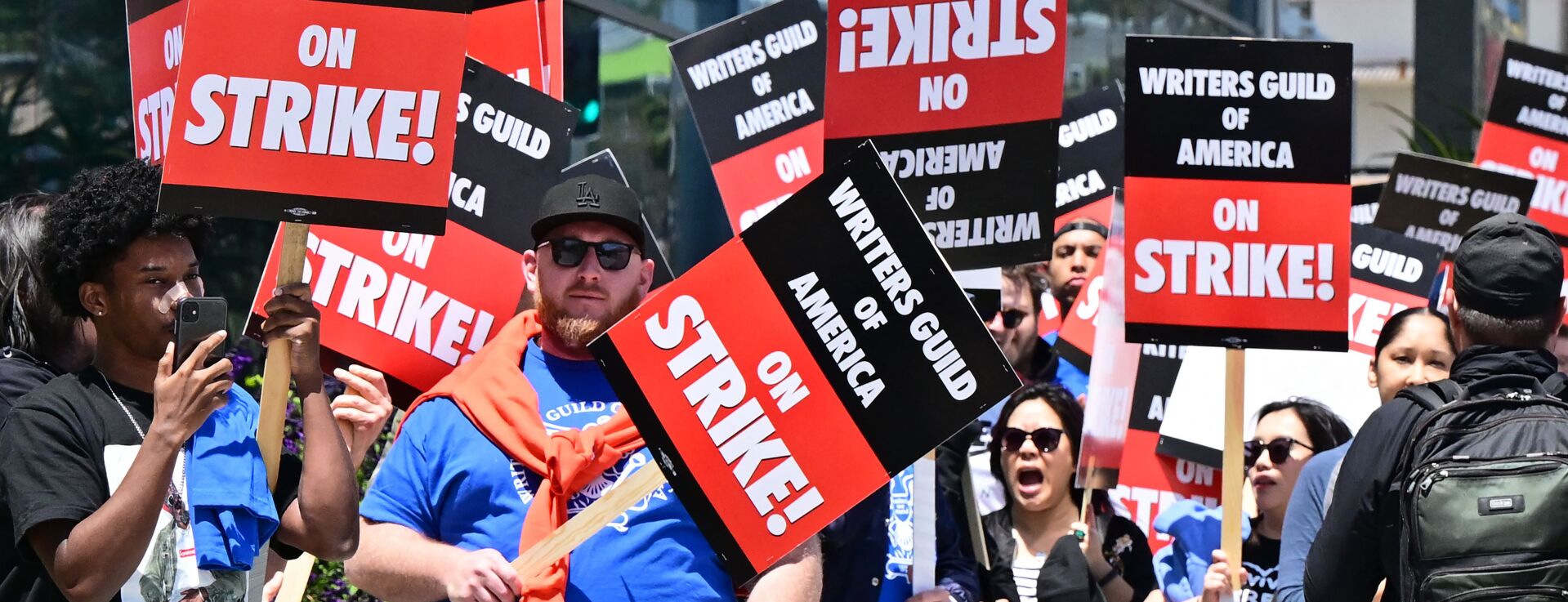
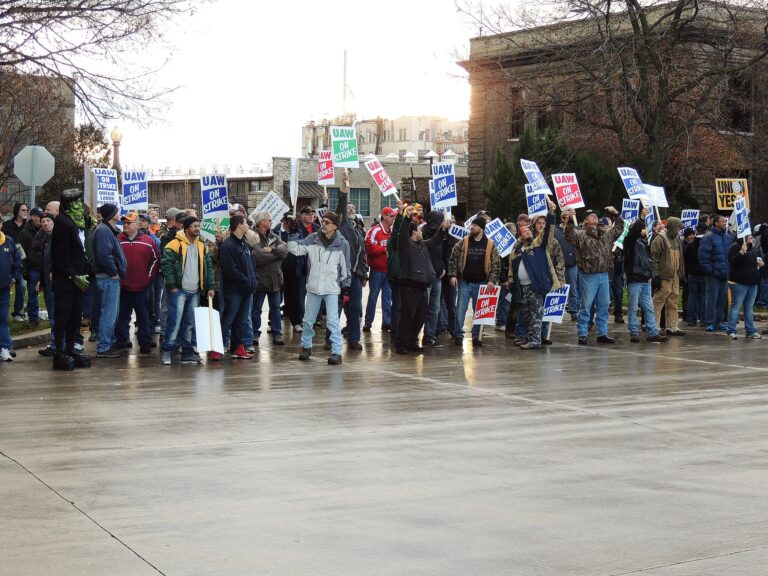
After an unprecedented year of strikes and labor wins, labor scholars and analysts see another big year ahead in 2024. 1.1 million workers are covered by union contracts which are due to expire this year. While two of the largest groups among them, postal workers and rail workers, have a limited ability to strike, teachers in Chicago and Los Angeles and Boeing Machinists could all be ready to walk out. Labor scholars suggest that labor success, from writers to autoworkers, could galvanize new organizing and militant bargaining.
Labor analysts expect more election petitions and unfair labor practice charges from unions in 2024. The Board’s decision in Cemex coupled with a new NLRB rule that speeds up union election procedure will provide new opportunities for unions to flex their legal muscles. Some commentators, however, warn that business groups will continue to fight implementation of these new legal strategies in court.



Daily News & Commentary
Start your day with our roundup of the latest labor developments. See all
March 27
“Cesar Chavez Day” renamed “Farmworkers Day” in California after investigation finds Chavez engaged in rampant sexual abuse.
March 26
Supreme Court hears oral argument in an FAA case; NLRB rules that Cemex does not impose an enforceable deadline for requesting an election; DOL proposes raising wage standards for H-1B workers.
March 25
UPS rescinded its driver buyout program; California court dismissed a whistleblower retaliation suit against Meta; EEOC announced $15 million settlement to resolve vaccine-related religious discrimination case.
March 24
The WNBPA unanimously votes to ratify the league’s new CBA; NYU professors begin striking; and a district court judge denies the government’s motion to dismiss a case challenging the Trump administration’s mass revocation of international student visas.
March 23
MSPB finds immigration judges removal protections unconstitutional, ICE deployed to airports.
March 22
Resurgence in salting among young activists; Michigan nurses strike; states experiment with policies supporting workers experiencing menopause.