
Iman Masmoudi is a student at Harvard Law School.
Temple Graduate Students reach a tentative agreement and the Department of Labor clarifies the application of the FLSA and the FMLA to remote workers.
After three weeks of striking, the Temple Graduate Students Union has reached a tentative agreement with the administration that would increase student stipends over the next three years, but would not appear to meet student demands to expand health insurance coverage to dependents. The labor dispute made headlines after the University cut of health insurance and tuition remission for striking student employees. As part of the agreement, the Union will withdraw unfair labor practice charges it filed and the University will reimburse tuition and health costs incurred by students during the cut off period. A vote will happen on the proposed agreement over the next few days, but students are still on strike until ratification.
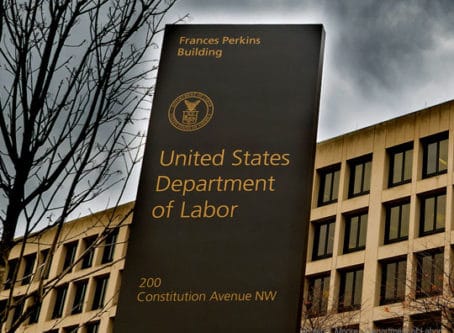
The Department of Labor has issued a guidance to clarify the application of the Fair Labor Standards Act (FLSA) and the Family and Medical Leave Act (FMLA) to remote workers. The bulletin, published on February 9, directs officials to ignore location when calculating hours – regardless of short (<20 min) breaks – worked, extend the requirements of reasonable break time and place to express milk for nursing employees who are teleworking, and emphasize the importance of employers’ tracking hours for FMLA purposes and that the size of the worksite for purposes of the 50-employee exception is not based on their physical location but on the worksite “they report to.” These clarifications provide important protections for remote workers and ensure that remote work is not used an exception to both the FLSA and the FMLA.




Daily News & Commentary
Start your day with our roundup of the latest labor developments. See all
October 14
Eleventh Circuit overturns ERISA exhaustion rule; DHS finalizes removal of automatic renewal for work permits; AFGE challenges SSA over flexible scheduling policy.
October 13
Chicago hotel workers remain on strike; a coalition of Democratic states sues the Labor Department over canceled unemployment insurance grants; the Federal Labor Relations Authority establishes a new mediation framework for federal worker disputes.
October 12
Workers at the Obama Foundation begin organizing; MLB submits its latest collective bargaining agreement proposal; Brigham & Women's nurses postpone strike.
October 11
UAW President Shawn Fain succeeds in his reelection bid, and Spanish unions call for a general strike.
October 9
DHS proposes a $100k fee for the foreign grad employment program; Trump suspends tech company access to green card program; and private equity perpetuates poor working conditions for home care workers.
October 8
NLRB judge finds UPS unlawfully restricted union insignia; Harvard graduate workers authorize second strike; OSHA orders Union Pacific to pay $300,000 in damages in whistleblower case.