
Liana Wang is a student at Harvard Law School.
In today’s news and commentary, unionized journalists win arbitration concerning AI, Starbucks challenges two NLRB rulings in the Fifth Circuit, and Philadelphia transit workers resume contract negotiations.
On Monday, unionized journalists at Politico and E&E News won an arbitration ruling against Politico’s unilateral introduction of two AI tools. In 2024, Politico deployed AI-driven “Live Summaries” during its coverage of the Democratic National Convention and Vice Presidential Debate, and its Capital AI Report-Builder tool for Politico Pro subscribers. In doing so, Politico ignored its obligations under its union contract with PEN Guild, which requires the company to provide notice and engage in good-faith bargaining before introducing AI tools that can materially impact job duties or lead to layoffs. The union contract also required that AI usage must comply with Politico’s ethical standards and include human oversight. Instead, Politico deployed the tools without any editorial review, leading to clear factual error, missing context, and misinterpretations. The arbitrator found that, in the case of both tools, Politico failed to give PEN Guild the required notice or opportunity to bargain. The ruling is one of the first to consider the enforceability of bargained AI protections in journalism.
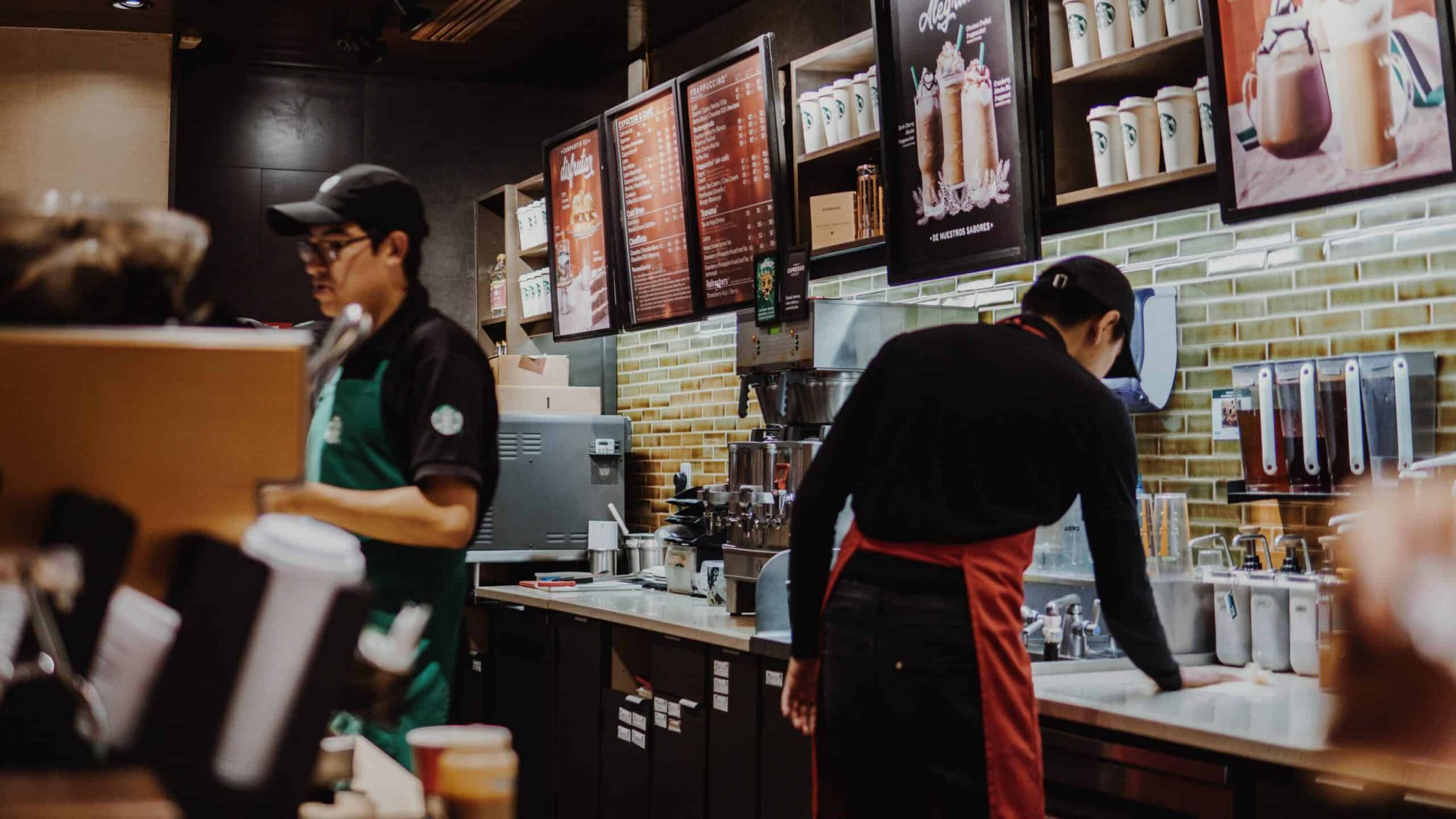
Meanwhile, the Fifth Circuit heard oral argument in two cases where Starbucks has challenged NLRB rulings on unfair labor practice violations. In the first case, Starbucks is challenging an NLRB decision finding that former Starbucks CEO Howard Schultz violated the NLRA when he invited barista Madison Hall to quit, telling her “if you’re not happy at Starbucks, you can go work for another company.” Hall had tried to address working conditions, the benefits of unionization, and past unfair labor practices by Starbucks when Schultz made the comment. The NLRB affirmed a judge’s finding that the comment was “objectively coercive.” However, the Fifth Circuit panel appeared more skeptical, noting that Schultz had promised workers that no one would face retaliation for their comments at the meeting. Last year, the Fifth Circuit overturned a 2021 NLRB decision finding that an Elon Musk tweet threatened union workers by suggesting they could lose stock options. In a 9-8 en banc decision, the Fifth Circuit concluded that the tweet was protected by the First Amendment. The case comes against a backdrop of Starbucks’ “egregious and widespread misconduct” in dealing with unionization efforts. In a separate second case, Starbucks also challenged an NLRB ruling finding an ULP violation when the company sent overbroad subpoenas to two workers in a case over other ULPs. The panel appeared even more wary about turning overbroad subpoena requests into a “liability trap” for employers.
Lastly, in Philadelphia, contract negotiations have resumed between SEPTA, the mass transit provider for the city and its four surrounding counties, and Transport Workers Union Local 234, which represents over 5,000 subway, trolley, and bus operators and mechanics. The workers have been on the job without a contract since November 7, and voted three weeks ago to authorize a strike. SEPTA is also negotiating with SMART Local 1594, which represents over 300 transit operators in the surrounding counties and authorized a strike two weeks ago. So far, a major sticking point between TWU and SEPTA has revolved around management of the union members’ $13 million in pension contributions, as well as concerns over sick pay and rising healthcare costs. Last year, the unions were able to reach a deal with SEPTA that included a 5% wage increase and safety improvements for drivers. John Samuelsen, the international president of TWU, warned that a strike by transit workers could “shut Philly down.”


Daily News & Commentary
Start your day with our roundup of the latest labor developments. See all
March 17
West Virginia passes a bill for gig drivers, the Tenth Circuit rejects an engineer's claims of race and age bias, and a discussion on the spread of judicial curtailment of NLRB authority.
March 16
Starbucks' union negotiations are resurrected; jobs data is released.
March 15
A U.S. District Court issues a preliminary injunction against the Department of Veterans Affairs for terminating its collective bargaining agreement, and SEIU files a lawsuit against DHS for effectively terminating immigrant workers at Boston Logan International Airport.
March 13
Republican Senators urge changes on OSHA heat standard; OpenAI and building trades announce partnership on data center construction; forced labor investigations could lead to new tariffs
March 12
EPA terminates contract with second-largest union; Florida advances bill restricting public sector unions; Trump administration seeks Supreme Court assistance in TPS termination.
March 11
The partial government shutdown results in TSA agents losing their first full paycheck; the Fifth Circuit upholds the certification of a class of former United Airline workers who were placed on unpaid leave for declining to receive the COVID-19 vaccine for religious reasons during the pandemic; and an academic group files a lawsuit against the State Department over a policy that revokes and denies visas to noncitizens for their work in fact-checking and content moderation.