
Finlay Adamson is a student at Harvard Law School.
In today’s news and commentary, Seattle teachers vote to authorize a strike days before the school year begins; BNSF Railway’s AI dispatching system puts workers in danger; and a California court finds that the DOL’s pay cuts for non-citizen farmworkers are unlawful.
Seattle teachers and school staff voted to authorize a strike earlier last week as bargaining between the Seattle Education Association (SEA) and Seattle Public Schools (SPS) continues. 91% of SEA’s over 6,000 members voted in favor of striking, with most schools in the district set to begin the year on September 2nd. SEA’s current contract expires on August 31st. Salaries are the chief concern for workers; the union seeks a 6% pay raise for teachers and a 12% raise for paraprofessionals over the three-year contract in addition to cost-of-living adjustments. The district proposed 9% raises over the next three years, not including COA adjustments. Support for special education and smaller class sizes are also major issues. Seattle teachers engaged in a five-day strike in 2022 following a breakdown in contract negotiations.
A BNSF Railway train carrying hazardous materials nearly killed a maintenance worker in Washington State after its AI dispatching system directed the train onto the incorrect track. The Brotherhood of Railway Signalmen recently described the error, which occurred on June 16th, in a letter sent to the Federal Railway Administration (FRA). According to the Brotherhood, a human dispatcher caught the error before a collision occured. BNSF has been unable to determine what caused AutoRouter, the AI system the corporation used to dispatch trains, to fail. While BNSF stopped using AutoRouter shortly after the incident, it subsequently reinstated the technology until directed to stop by the FRA. The Brotherhood also reported multiple other incidents and near-misses involving AutoRouter since 2022, including one instance where AutoRouter attempted to direct two trains into a head-on collision.
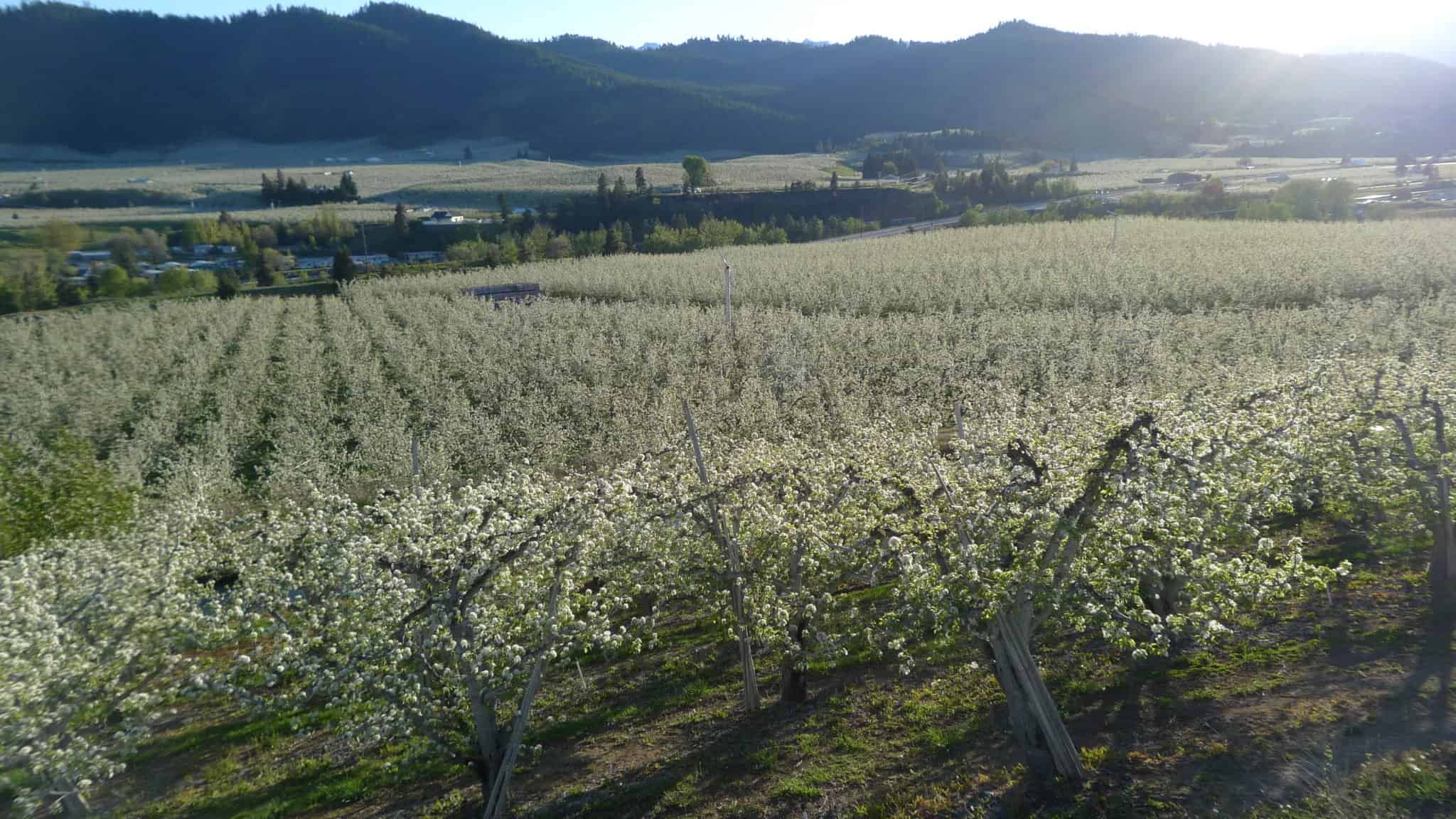
Last week, the District Court for the Eastern District of California found that the Department of Labor’s (DOL) pay cuts for non-citizen farmworkers were unlawful. The rule, promulgated by the DOL in August 2025, lowered the wage rates for farmworkers on H-2A visas from roughly $7 to $5 per hour. The DOL did not engage in a notice and comment period for the rule, arguing that two “good cause” exceptions under the Administrative Procedure Act (APA) applied. In a decision issued by Judge Kirk Sherriff, the court determined that the DOL’s rule did not qualify under any good cause exception and bypassing notice and comment was therefore unlawful. Additionally, Judge Sherriff found that changes to wage calculation methodology were arbitrary and capricious. However, the decision did not strike down the rule, instead keeping it in place while directing the DOL to correct its errors to avoid “the significant disruption that might attend vacating the [rule] immediately.”




Daily News & Commentary
Start your day with our roundup of the latest labor developments. See all
October 13
Chicago hotel workers remain on strike; a coalition of Democratic states sues the Labor Department over canceled unemployment insurance grants; the Federal Labor Relations Authority establishes a new mediation framework for federal worker disputes.
October 12
Workers at the Obama Foundation begin organizing; MLB submits its latest collective bargaining agreement proposal; Brigham & Women's nurses postpone strike.
October 11
UAW President Shawn Fain succeeds in his reelection bid, and Spanish unions call for a general strike.
October 9
DHS proposes a $100k fee for the foreign grad employment program; Trump suspends tech company access to green card program; and private equity perpetuates poor working conditions for home care workers.
October 8
NLRB judge finds UPS unlawfully restricted union insignia; Harvard graduate workers authorize second strike; OSHA orders Union Pacific to pay $300,000 in damages in whistleblower case.
October 7
DOL scraps plan to remove decades-old wage-and-hour guidance from federal regulations; New York enacts personnel records access law; Starbucks loses bid to dismiss Workers United trademark suit.