
Morgan Sperry is a student at Harvard Law School and also serves as OnLabor's Social Media Director.
In today’s news and commentary, the National Domestic Workers Alliance calls for increased Medicaid rates to compensate care workers, Grindr is union-busting, and Guggenheim Museum employees have secured their first contract.
Yesterday, National Domestic Workers Alliance President Ai-jen Poo, along with Nicole Jorwic, called upon lawmakers to expand access to home and community based services in order to honor the Americans with Disabilities Act. Specifically, Poo and Jorwic are calling upon state legislatures and Congress to increase the dollars they put into the Medicaid program—including by increasing wage rates for care workers, who currently make less than $12 per hour on average. As Poo and Jorwic write, making these changes would ensure that all disabled and aging people can live and thrive while staying in their homes and communities.
Mere weeks after its employees announced their intention to unionize, Grindr has instituted a return-to-work policy that requires workers to either move within 50 miles of the company’s new offices by August 31st or lose their jobs. While the company claims that the plan has “nothing to do with the N.L.R.B. election petition,” workers have noted that Grindr has hired Littler Mendelson, a law firm that specializes in union-busting. The union has filed a ULP charge with the NLRB alleging that the new policy was retaliatory to unionizing workers.
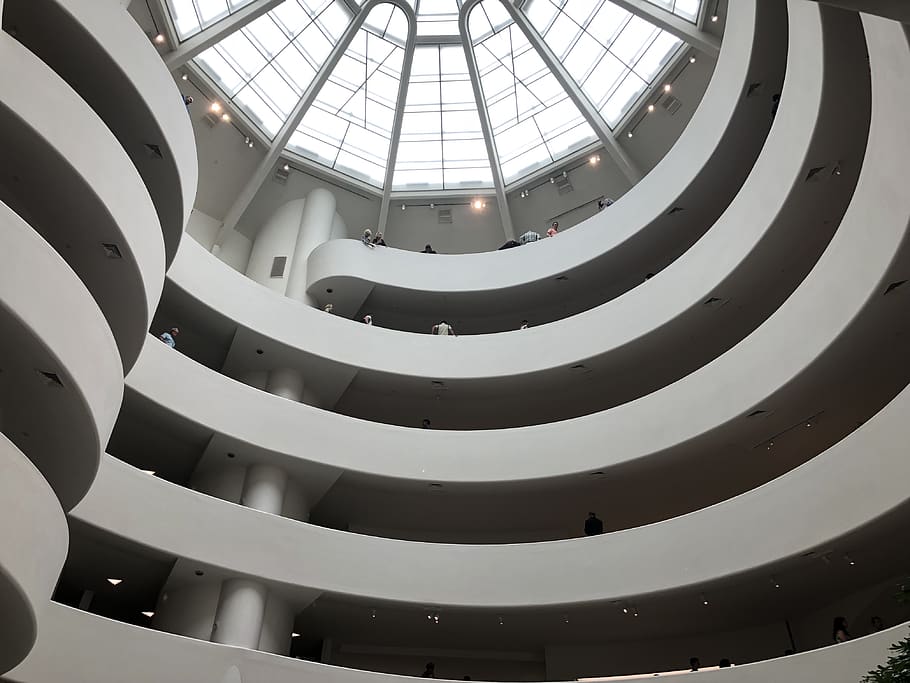
After more than two years of bargaining, the Guggenheim Museum reached an agreement with its workers’ union last week. The contract, which goes into effect immediately, gives workers an average salary increase of 11 percent over two-and-a-half-years. It also offers improved health and retirement benefits and just cause employment protections. With this contract, the Guggenheim workers join a cohort of unionized museum curators, conservators and other employees—including those at the Whitney Museum and the New Museum.





Daily News & Commentary
Start your day with our roundup of the latest labor developments. See all
October 16
Department of Labor reduces wage-and-hour enforcement at unionized workplaces; Fain's victory poses question of federal monitor's extension.
October 15
New reporting examines the rollback of child labor protections; California tries to block a strike; NLRB charges Wisconsin mental health provider with firing workers during union drive.
October 14
Eleventh Circuit overturns ERISA exhaustion rule; DHS finalizes removal of automatic renewal for work permits; AFGE challenges SSA over flexible scheduling policy.
October 13
Chicago hotel workers remain on strike; a coalition of Democratic states sues the Labor Department over canceled unemployment insurance grants; the Federal Labor Relations Authority establishes a new mediation framework for federal worker disputes.
October 12
Workers at the Obama Foundation begin organizing; MLB submits its latest collective bargaining agreement proposal; Brigham & Women's nurses postpone strike.
October 11
UAW President Shawn Fain succeeds in his reelection bid, and Spanish unions call for a general strike.