James Blanchfield is a student at Harvard Law School.
In today’s News and Commentary, the Protect College Sports Act creates a significant hurdle for college athlete unionization, and the Stanford RA union withdraws its union petition over concerns with the NLRB overturning precedent.
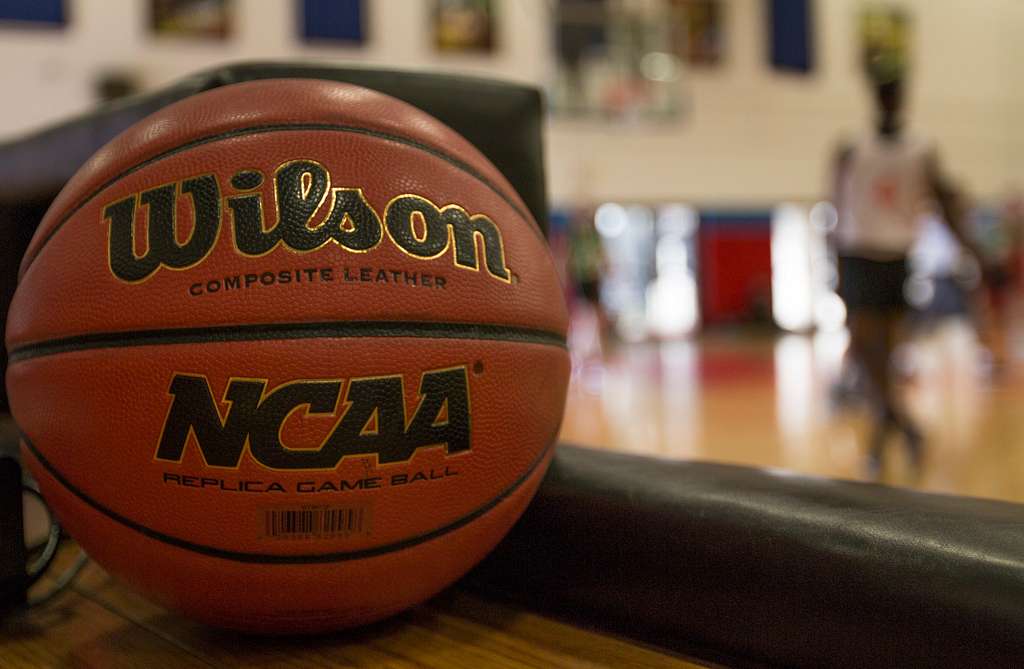
Last week, the Protect College Sports Act (PCSA) passed the Senate with a 77-22 vote. As Ethan reported here, the Act provides the NCAA with a limited antitrust exemption to establish its own rules regarding athlete eligibility, transfers, and player compensation. At the same time, the PCSA does not address the question of whether college athletes are “employees” under the NLRA, which is critical for determining whether the athletes can legally unionize. The issue of college athlete employee status has been up in the air for years. In 2015, the NLRB declined to answer whether athletes are university employees when it dismissed a petition by Northwestern football player who were seeking to unionize. Then, in 2024, the Dartmouth men’s basketball team voted to unionize, but later chose to withdraw its petition out of fear that the incoming Trump-appointed Board would rule that the players were not employees. By leaving this question of employee status unanswered, the PCSA empowers the NCAA to set the terms for college athletes without giving them the opportunity to collectively bargain and effectively advocate for themselves. Additionally, the aforementioned antitrust exemption takes another potential bargaining chip away from the players. Most professional sports leagues, with the exception of Major League Baseball, do not have antitrust exemptions, and thus the threat of antitrust lawsuits has been a powerful tool on the side of athletes for decades. For example, during the 2011 NFL lockout, the NFLPA opted to dissolve and file a class action antitrust lawsuit, which put pressure on the NFL and resulted in an agreement without missing any games the next season. While the PCSA does come with some player benefits, such as increased health and safety standards, with the negotiating power squarely on the side of the NCAA it will be challenging for players to create the changes they want in college sports.
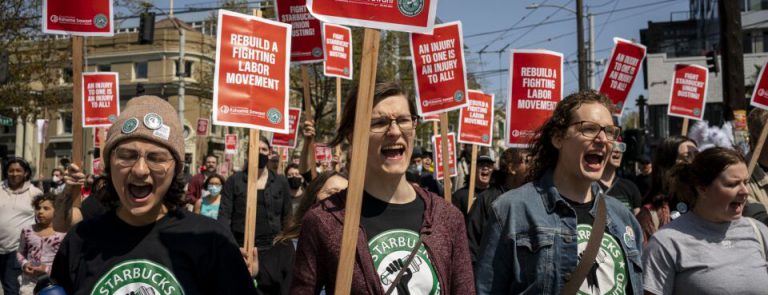
On Monday, the Stanford Resident Assistant Union (RAUR) withdrew its petition to the NLRB for recognition. The union, made up of Stanford RA’s and education technology assistants, was set to vote on the union in early October after the Oakland regional NLRB ruled that the RA’s were employees under the NLRA. However, the group cited concerns about sending this petition to an NLRB with a 3-1 Trump-appointed majority, as I reported here. The current precedent on the issue of graduate student workers is the NLRB’s 2016 Columbia University decision, which definitively established that student workers are “employees” under the NLRA. However, that decision came under a 3-1 Obama-appointed majority, and it overruled Bush-era precedent which had said that graduate student workers are primarily students, and thus not statutory employees. RAUR is concerned that a Trump-appointed Board is likely to overrule Columbia and return to the Bush-era standard if presented with an opportunity to review a graduate student union petition such as Stanford’s. In a statement, RAUR said they came to their decision “to remain in solidarity with tens of thousands of other unionized workers across college campuses … that rely on the Columbia decision.” The union also said they believe strongly that the election would have resulted in a victory, and that they will continue to organize with the aim of gaining union recognition without going through the NLRB, as student workers at other universities have done in the past.


Daily News & Commentary
Start your day with our roundup of the latest labor developments. See all
October 6
Protect College Sports Act dampens athlete unionization outlook; Stanford RA union decides to withdraw petition
October 5
Delaware bans captive audience meetings; EEOC settles remote work national origin discrimination claim; First Circuit stays enforcement order in VA's dispute with AFGE.
October 4
Boston nurses announce open-ended strike; federal judge restores federal prison workers' union protections; St. Louis workers form the first movie theater union in Missouri.
October 2
Gov. Newsom signs bill regulating AI in workplace; federal judge blocks Trump's $100,000 H-1B visa fee.
October 1
Senate confirms Keith Sonderling as Labor Secretary; Amazon warehouse workers launch an unfair labor practice strike.
September 30
Harvard grad union wins in First Circuit; AI data trainers initiate misclassification suits; Trader Joe’s found liable under ERISA.