
Melinda Meng is a student at Harvard Law School.
In today’s News and Commentary, Delaware passes a law banning captive audience meetings, the EEOC settles a remote work national origin discrimination claim, and the First Circuit stays a district court enforcement order in the VA’s dispute with AFGE.
On Wednesday, Governor Matt Meyer signed HB 84 into law, making it an “unlawful employment practice for an employer to discharge an employee or take any adverse employment action” if an employee declines to attend an employer-sponsored meeting relating to “political matters” or “religious matters.” Delaware joins 13 other states that have adopted similar union-backed laws aimed at restricting employers’ ability to host captive audience meetings, which employers use to deter union organizing efforts. Employer interest groups have challenged these laws as infringing upon First Amendment rights and being preempted by the NLRA, but have failed to establish standing in Connecticut, Illinois, and Minnesota, while a preliminary injunction has been granted in California.
On Thursday, the Equal Employment Opportunity Commission announced a settlement with Novadoz Pharmaceuticals to resolve allegations of national origin and disability discrimination against an American employee. The New Jersey pharmaceutical company had permitted New Jersey-based Indian employees to work remotely from India for personal reasons, but denied an American assistant manager’s request to work remotely from within the United States. The EEOC sought to advance a theory of national origin discrimination through differing remote work accommodations as part of the EEOC’s new agenda targeting ‘anti-American bias,’ a theory which will have to be assessed by a court in another instance now that the case has settled.
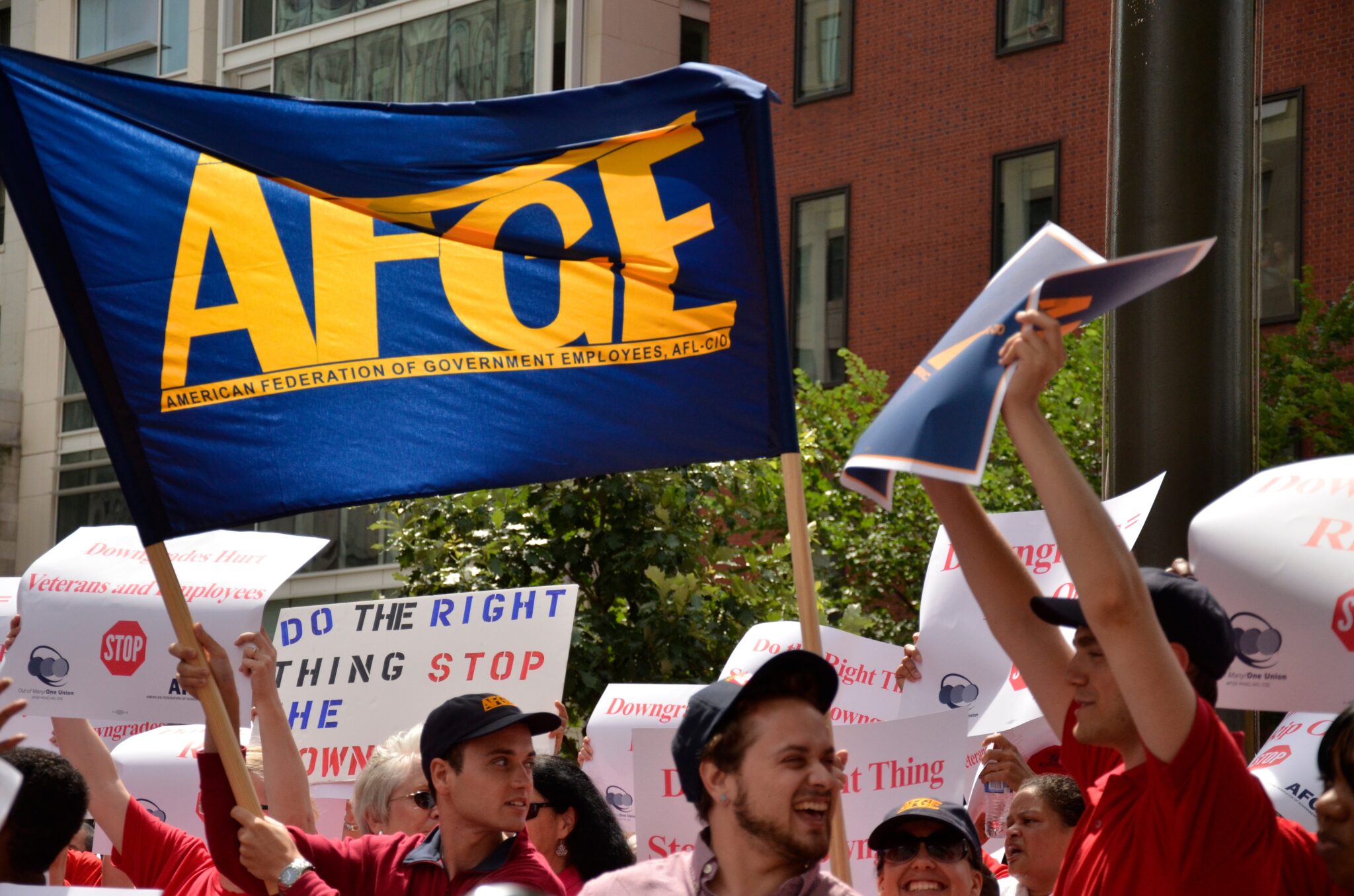
On Friday, the First Circuit granted a stay of a lower court enforcement order for the Department of Veteran Affairs to reinstate its collective bargaining agreement with the American Federation of Government Employees. This is the second enforcement order from the District Court for the District of Rhode Island that the First Circuit has, at least in part, stayed. The First Court found that the district court likely lacked jurisdiction to issue the enforcement order, as it raised new substantive issues and resolved disputed facts, modifying the preliminary injunction and substantially readjusting the legal relations of the parties. This latest action is part of the lengthy dispute between the VA and AFGE following President Trump’s executive order removing federal workers’ union rights, citing national security concerns.



Daily News & Commentary
Start your day with our roundup of the latest labor developments. See all
October 5
Delaware bans captive audience meetings; EEOC settles remote work national origin discrimination claim; First Circuit stays enforcement order in VA's dispute with AFGE.
October 4
Boston nurses announce open-ended strike; federal judge restores federal prison workers' union protections; St. Louis workers form the first movie theater union in Missouri.
October 2
Gov. Newsom signs bill regulating AI in workplace; federal judge blocks Trump's $100,000 H-1B visa fee.
October 1
Senate confirms Keith Sonderling as Labor Secretary; Amazon warehouse workers launch an unfair labor practice strike.
September 30
Harvard grad union wins in First Circuit; AI data trainers initiate misclassification suits; Trader Joe’s found liable under ERISA.
September 29
Unions, AI companies, and private equity firms form a new coalition to shape data center policies; unions express support for the Paramount-Warner Bros. merger.