
Sophia is a student at Harvard Law School and a member of the Labor and Employment Lab.
In today’s news and commentary, 26 Meta employees sue the company alleging it used artificial intelligence to target workers on paid leave for layoffs, a trade union representing Canadian railway workers denounce Canadian National Railway for continuing service through active wildfire zones, and one in five games during the FIFA World Cup were played in heat and humidity conditions that the players’ union FIFPRO argued should trigger suspension or postponement of games.
Twenty-six current and former Meta employees filed suit in federal court this week alleging the company used AI-driven performance metrics that failed to account for protected medical, family, and bereavement leave, resulting in workers on leave being disproportionately selected for layoffs, the Los Angeles Times reports. The complaint, filed after Meta’s May layoffs of roughly 8,000 workers, alleges violations of federal and state leave and disability protections and seeks an injunction plus an independent audit of the company’s algorithmically assisted selection process. Meta says staffing decisions “were and are made by people, not AI.” The suit is among the first to test how existing leave and disability statutes apply when an algorithm—rather than a manager—does the sorting, a question likely to recur as more employers lean on AI for workforce decisions.
A rail crew was forced to evacuate a Canadian National Railway train near Armstrong, Ontario, on Tuesday after it became surrounded by an out-of-control wildfire, according to the Toronto Star. The union representing the workers has called on CN to halt operations through active wildfire zones altogether, arguing the railway sent the crew into a foreseeable hazard. The incident lands amid a brutal wildfire season that has choked Toronto’s skies orange, and it raises familiar questions about how much discretion frontline transportation workers have to refuse unsafe assignments—and whether Canadian rail safety rules adequately account for climate-driven hazards that didn’t factor into older regulatory frameworks.
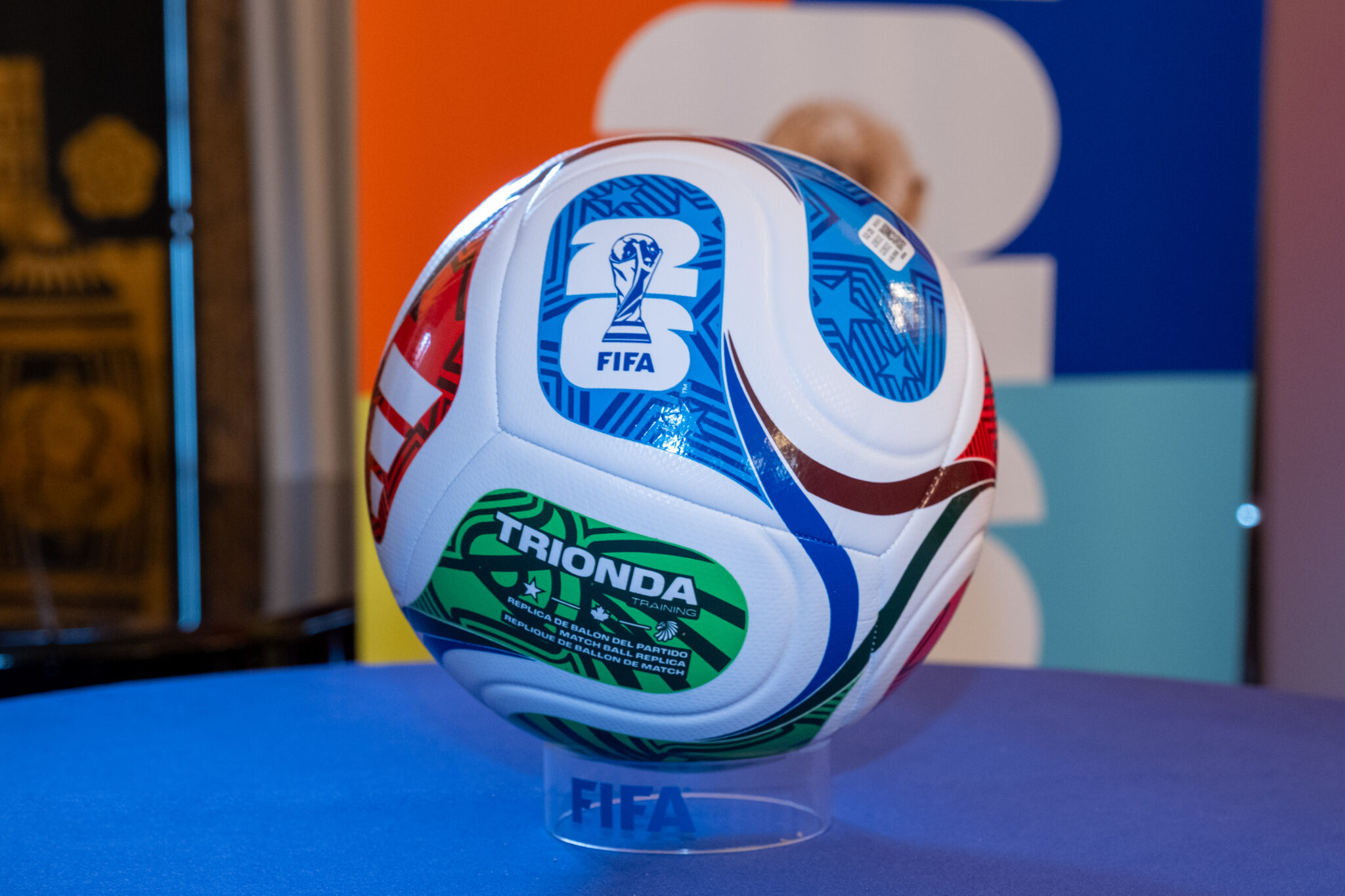
A Guardian analysis estimates that nearly 20 percent of games during the FIFA World Cup were played at wet bulb globe temperatures (WBGT) at or above 82°F, the level at which the world professional soccer players’ union FIFPRO says games should be delayed or postponed. Another 20 percent of games were played in cities that met the WBGT threshold but were mitigated by air-conditioned stadiums. The hottest outdoor match, France v. Paraguay in Philadelphia, may have exceeded 93°F, while the quarterfinal match between England and Norway in Miami kicked off at roughly 90.5°F—well above FIFPRO’s threshold. FIFA mandates a 3-minute cooling and hydration break during games when the WBGT meets or exceeds 89.6°F, however FIFPRO hopes to secure more rigorous protocols for dealing with excessive heat in future competitions.


Daily News & Commentary
Start your day with our roundup of the latest labor developments. See all
September 17
Unions push to block Google from buying Spirit Airlines employment records; U.S. Department of Labor sues Oklahoma coffee chain over alleged wage violations.
September 16
Trump nominates Catherine Eschbach as EEOC general counsel; NLRB declines to resolve union work-assignment dispute; Allina Health physicians begin four-day strike.
September 15
Documents reveal the inner workings of Amazon's union avoidance program; Washington state public sector unions reach tentative deals amid a difficult bargaining cycle; hundreds of Nevada Culinary Union members protest their union's health care changes.
September 14
NCAA and Big Ten file motion to dismiss in former star player's NIL suit; Seventh Circuit rules against former postal worker in discrimination suit.
September 13
Documents released on the 25th anniversary of the 9/11 attacks show that city officials encouraged workers to return to Ground Zero despite knowing the risks of asbestos exposure, and new polls demonstrate continued widespread support for labor unions.
September 10
Amazon workers allege pregnancy discrimination; federal unions challenge USDA reorganization; NYC warns of silicosis risks.