
Finlay Adamson is a student at Harvard Law School.
In today’s news and commentary, SAG-AFTRA members ratify a four-year CBA and the International Trade Union Confederation releases its 2026 Global Rights Index.
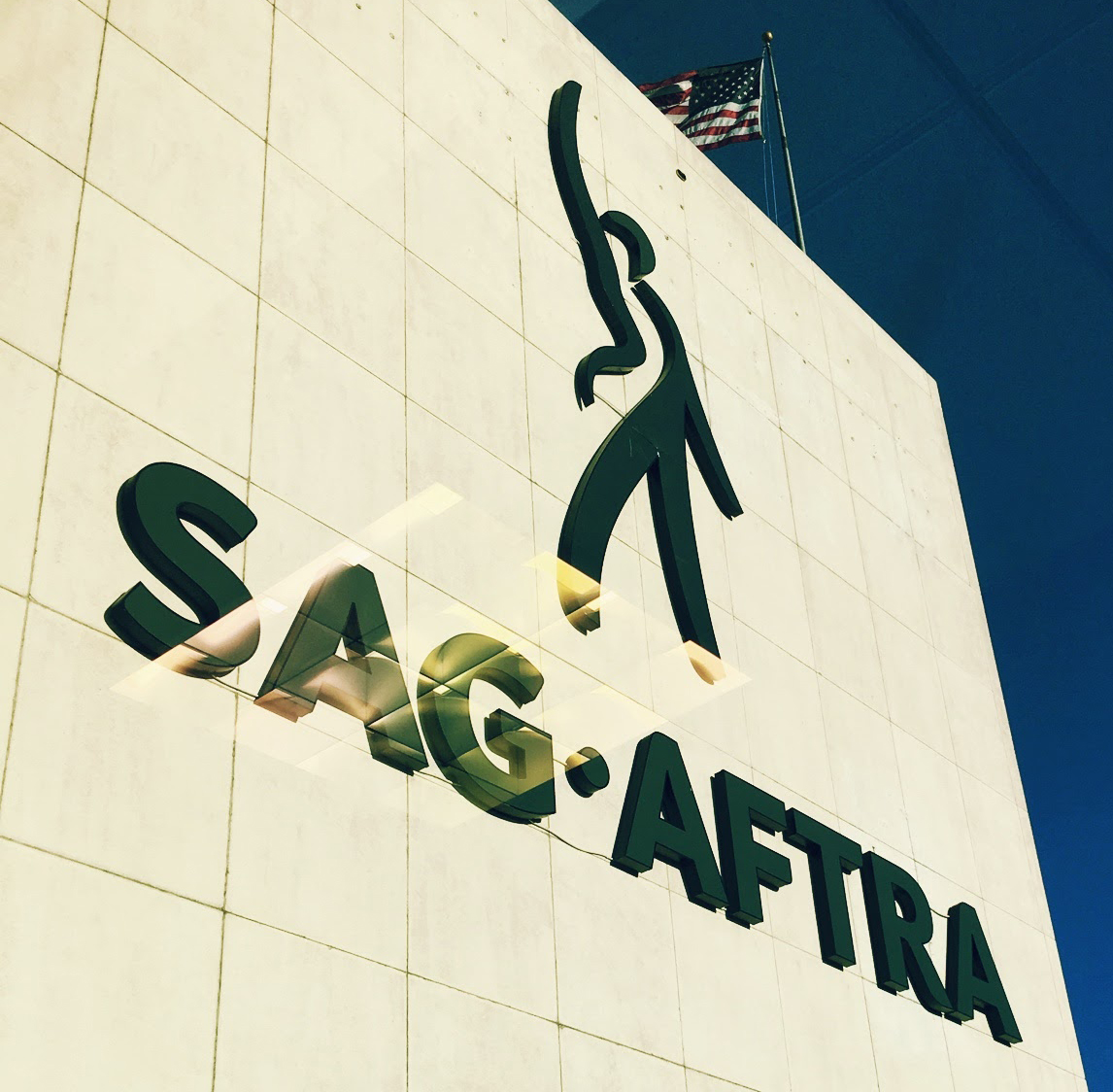
Earlier this week, members of the Screen Actors Guild-American Federation of Television and Radio Actors (SAG-AFTRA) voted to ratify a four-year agreement with the Alliance of Motion Picture and Television Producers (AMPTP). Negotiations between the parties began in February and resulted in a tentative agreement in May. The Associated Press (AP) described this round of bargaining as a relatively “drama-free” process, contrasting with the contentious 2023 negotiations that culminated in the longest actors’ strike in Hollywood history. The new CBA builds on the last contract’s AI-use provisions by “further restricting use of synthetics and providing added protection against AI replacing members’ work.” AI performers are allowed only if they bring “significant additional value” compared to a live actor. Additionally, the CBA merges the SAG-Producers Pension Fund and the AFTRA Retirement Fund. The contract received over 90% approval from the 19.8% of members who voted. As I covered several weeks ago, SAG-AFTRA is not the only Hollywood union negotiating a contract in 2026. In April, screenwriters with the Writers Guild of America (WGA) voted to ratify a four-year agreement with the AMPTP. The Directors Guild of America (DGA), led by President Christopher Nolan, is currently negotiating with AMPTP and their current contract is set to expire at the end of June.
The International Trade Union Confederation (ITUC) recently released its 2026 Global Rights Index analyzing the current state of labor rights worldwide. For the first time, the Index placed the United States on its “watch list” of nations following a “measurable increase” in workers rights violations, putting the country alongside Israel, Niger, and Vietnam as “systematic” violators. The ITUC, the world’s largest trade union confederation whose members represent over 191 million workers, identified President Trump’s attacks on workers as responsible for the placement. The Index describes the stripping of collective bargaining rights from federal workers as “perhaps the biggest act of union busting in the nation’s history” and identifies ICE as creating an increasingly hostile environment for migrant workers. Elsewhere in the Americas, ITUC added Panama and Argentina to its list of the “10 Worst Countries for Workers.” Overall, the report warns of an accelerating trend of state hostility towards workers, with attacks on union leadership and increased digital surveillance contributing to the total number of rights violations increasing for the fourth consecutive year.




Daily News & Commentary
Start your day with our roundup of the latest labor developments. See all
October 1
Senate confirms Keith Sonderling as Labor Secretary; Amazon warehouse workers launch an unfair labor practice strike.
September 30
Harvard grad union wins in First Circuit; AI data trainers initiate misclassification suits; Trader Joe’s found liable under ERISA.
September 29
Unions, AI companies, and private equity firms form a new coalition to shape data center policies; unions express support for the Paramount-Warner Bros. merger.
September 28
The Protect College Sports Act nears passage in the Senate; San Francisco municipal workers agree to contract extensions.
September 27
The Trump Administration reaches a settlement with federal unions on reduction in force actions; the United Auto Workers file an en banc petition seeking review of a Second Circuit decision regarding labor arbitrations.
September 25
Healthcare workers rally to restore legal status for TPS holders; nurses at a Maine hospital overwhelmingly vote to form their union despite alleged aggressive union busting tactics.