
Sophia is a student at Harvard Law School and a member of the Labor and Employment Lab.
In today’s news and commentary, Maryland passes a state ban on captive audience meetings and Elon Musk’s AI company sues to block Colorado’s algorithmic bias law.
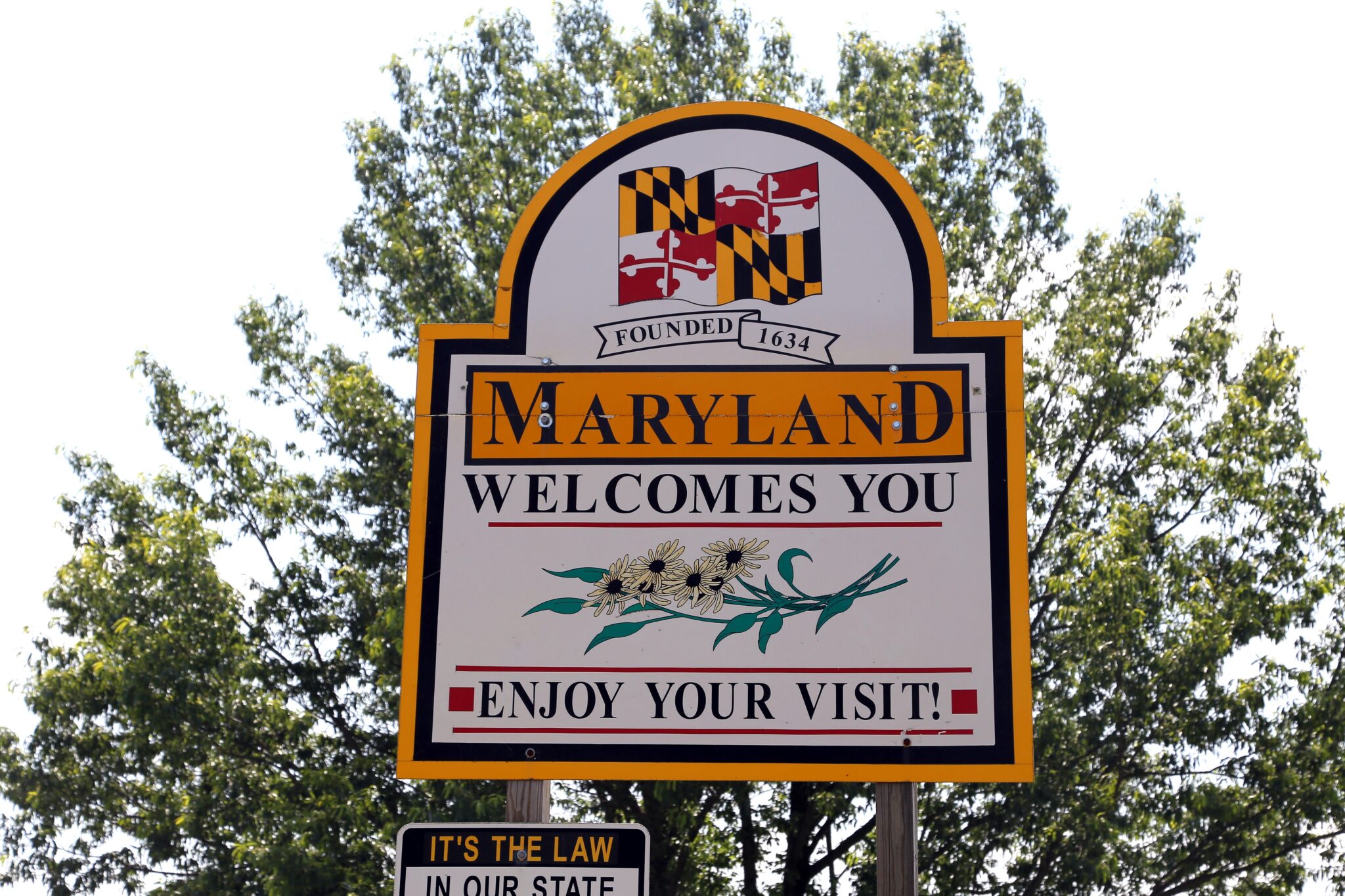
On Wednesday, Maryland’s House passed SB 417—a state law that would ban employers from holding captive audiences requiring employees to attend meetings on politics, religion, or union membership under threat of discipline. The bill previously won Senate approval on March 23 in a 31-12 vote. The legislation is now headed to Governor Wes Moore’s desk for signature and if enacted, would take effect on October 1. Over a dozen other states have similar bans on captive audience meetings, though business interest groups have sued to challenge these laws in at least four other states, arguing that the bans violate employers’ First Amendment rights to speak freely and are subject to NLRA preemption. SB 417 authorizes the state labor commissioner to investigate worker complaints and issue penalties of up to $10,000 for an employer’s first violation and $25,000 for subsequent violations, in addition to other relief such as reinstatement of a fired worker. Notably, the Maryland measure comes just 7 months after a district court judge issued an injunction against enforcement of California’s captive audience ban, which suggests that states are nonetheless undeterred in their efforts to protect employee free choice.
Yesterday, Elon Musk’s artificial intelligence company xAI filed a lawsuit in federal court seeking to block Colorado’s new state law that requires companies to create safeguards to prevent algorithmic bias in decisions affecting employment. The law, set to take effect on June 30, mandates that businesses disclose how AI is used in hiring and firing decisions, and allows for workers to appeal adverse employment decisions that resulted from or were in part generated by AI bias. In its 75-page complaint, xAI argues that the Colorado law unlawfully disfavors discrimination that the State dislikes (i.e. “any condition in which the use of an [AI] system results in an unlawful differential treatment or impact that disfavors an individual or group”, while simultaneously “promot[ing] a form of “differential treatment” the State favors—discrimination intended to increase diversity of redress historical discrimination.”” In requiring developers to “differentiate between discrimination that Colorado disfavors and discrimination that Colorado favors,” xAI alleges that the law compels it to “conform to a controversial, highly politicized viewpoint” that amounts to compelled speech under 303 Creative LLC. The lawsuit is xAI v. Weiser (D. Colo. April 9, 2026).




Daily News & Commentary
Start your day with our roundup of the latest labor developments. See all
September 13
Documents released on the 25th anniversary of the 9/11 attacks show that city officials encouraged workers to return to Ground Zero despite knowing the risks of asbestos exposure, and new polls demonstrate continued widespread support for labor unions.
September 10
Amazon workers allege pregnancy discrimination; federal unions challenge USDA reorganization; NYC warns of silicosis risks.
September 9
Wynn Las Vegas employees allege anti-union retaliation; Amazon faces a class action over pregnancy accommodations; H-1B demand plunges following a six-figure visa fee.
September 8
In today’s News and Commentary, workers and unions across America celebrate Labor Day, California’s SEIU Local 1000 prepares for a strike authorization vote, and New York City creates the Office of Worker Power. On Monday, labor unions and workers gathered in cities across the United States in celebration of Labor Day. Parades and rallies took […]
September 7
Eighth Circuit finds DOL order violates Seventh Amendment; 1,300 workers at Encore Boston Harbor go on strike.
September 6
Encore casino workers strike; President Trump commutes sentence of former Philadelphia IBEW leader; Durham labor activist ends his hunger strike against Amazon.