
Anjali Katta is a student at Harvard Law School.
In today’s news and commentary, SEIU advocates for a wealth tax, the DOL gets a budget increase, and the NLRB struggles with its workforce.
The SEIU United Healthcare Workers West is advancing a California ballot initiative to impose a one-time 5% tax on personal wealth above $1 billion, aiming to raise funds for the state’s health-care system. The proposal has alarmed Silicon Valley billionaires and drawn opposition from Governor Gavin Newsom, who argues it would trigger capital flight. The union plans to collect nearly 900,000 signatures to qualify the measure for the November ballot, using California’s initiative system as leverage to force negotiations. Supporters say the tax is necessary to offset federal Medicaid cuts and protect hospital access, while critics view it as political coercion. The campaign underscores how well-funded unions increasingly use ballot initiatives to pressure lawmakers and corporate interests, often prompting costly opposition campaigns or legislative compromises before voters ever weigh in.
A bipartisan spending bill would increase the DOL’s budget by $65 million for fiscal year 2026. The package boosts funding for job training and apprenticeship programs while trimming DOL’s enforcement budget by $13 million, including reductions at OSHA and the Office of Federal Contract Compliance Programs. The bill preserves Office of Federal Contract Compliance Programs (OFCCP) despite White House efforts to defund it, though critics say the agency remains limited in power. It also proposes a $5 million cut to the NLRB’s budget. New language would require DOL to maintain sufficient staffing to meet its statutory duties, potentially limiting future layoffs.
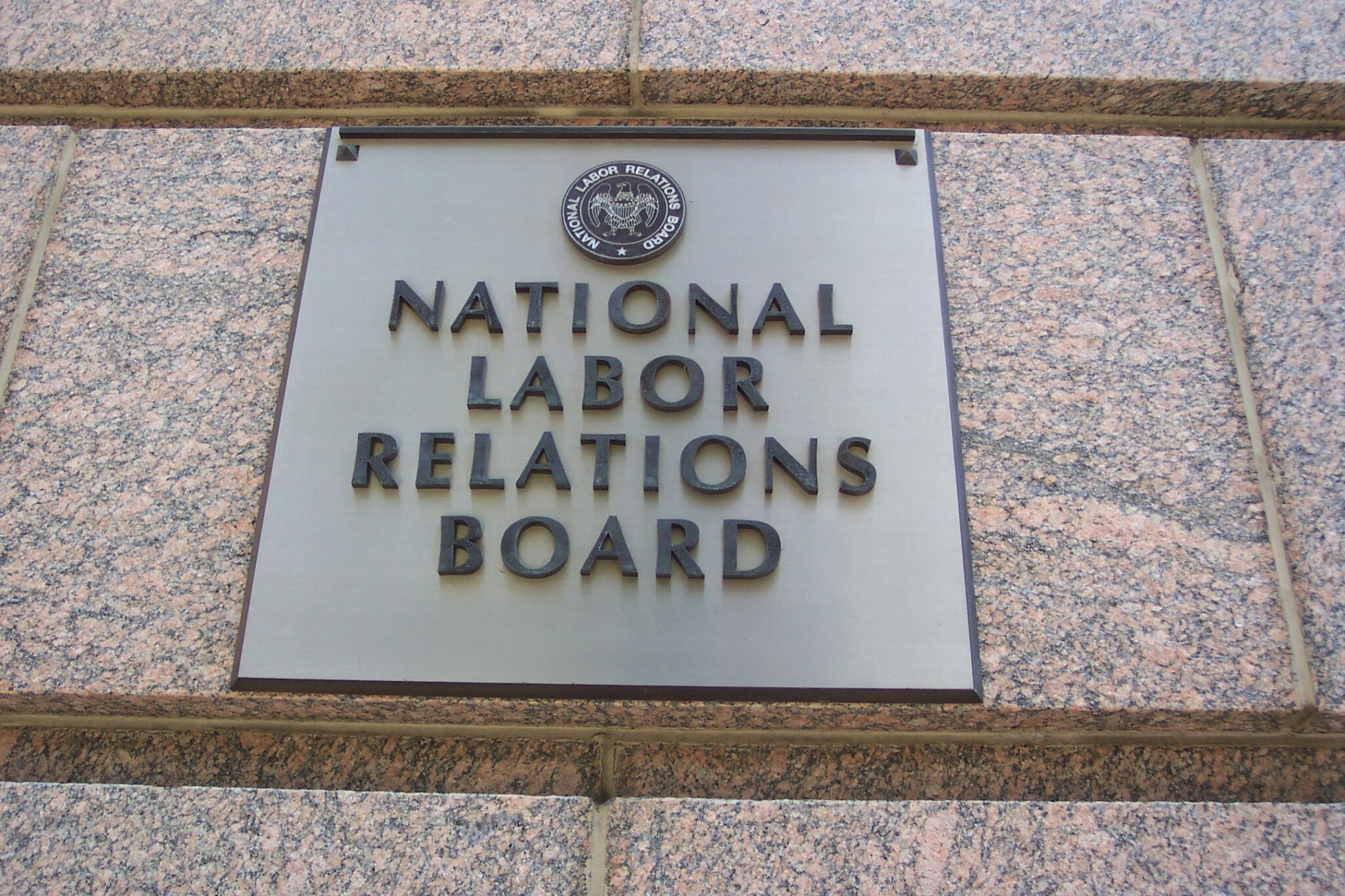
The National Labor Relations Board has lost more than 150 employees over the past year while hiring only eight, shrinking its workforce by over 10% and straining its enforcement capacity. Although the agency regained a quorum to decide cases with two new members, staffing losses which were driven by retirements, resignations, and a hiring freeze, have left the agency understaffed. The agency has amassed a backlog of roughly 500 cases and former officials warn it may grow despite the Board’s restored quorum. Departures of administrative law judges and senior staff further hinder case processing, while looming budget cuts limit hiring. Staffing shortages have hit regional offices unevenly, leaving many leadership positions vacant and enforcement uneven.



Daily News & Commentary
Start your day with our roundup of the latest labor developments. See all
September 22
Judge blocks ICE raids in Alabama; Chicago hotel workers vote to strike; AutoZone workers look to create first union
September 21
In today’s News and Commentary, the Seventh Circuit raises the bar for the NLRB to obtain preliminary injunctions, the California Primary Care Association sues SEIU-UHW for racketeering, and the Seventh Circuit finds that an employer group and think tank do not have standing to challenge an Illinois law banning captive audience meetings. On Friday, the […]
September 20
Culinary Workers Union members protests union leadership; lawsuit against OpenAI and Microsoft reveal internal concerns about the threat of AI training to human labor.
September 17
Unions push to block Google from buying Spirit Airlines employment records; U.S. Department of Labor sues Oklahoma coffee chain over alleged wage violations.
September 16
Trump nominates Catherine Eschbach as EEOC general counsel; NLRB declines to resolve union work-assignment dispute; Allina Health physicians begin four-day strike.
September 15
Documents reveal the inner workings of Amazon's union avoidance program; Washington state public sector unions reach tentative deals amid a difficult bargaining cycle; hundreds of Nevada Culinary Union members protest their union's health care changes.