
Liana Wang is a student at Harvard Law School.
In today’s news and commentary, DOL pauses the 2024 gig worker rule, a coalition of unions, cities, and nonprofits sues to stop DOGE, and the Chicago Teachers Union reaches a remarkable deal.
On May 1, the Department of Labor announced it would pause enforcement of the Biden Administration’s independent contractor classification rule. Under the January 2024 final rule, economic dependence was the “ultimate inquiry” for determining employee or contractor status. The Biden Administration had promulgated the rule to crack down on worker misclassification and ensure that more workers are entitled to minimum wage, overtime pay, and other protections under the FLSA. The rule was challenged in multiple pending lawsuits, although a federal judge in New Mexico upheld it in January 2025. DOL plans to fully rescind the rule, a major win for business groups and gig-economy giants like Uber and Lyft.
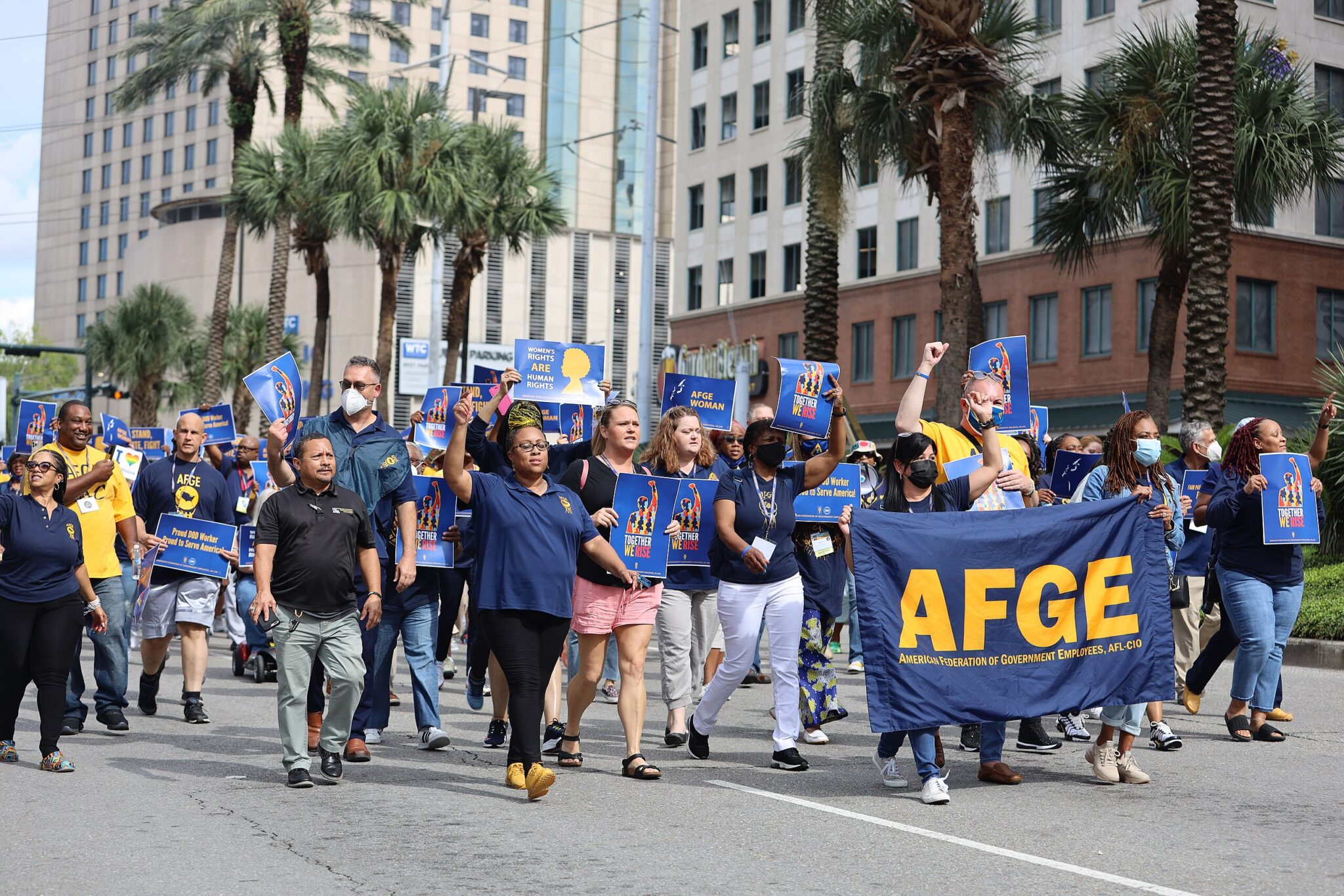
Meanwhile, in San Francisco, a coalition of labor unions, cities, and nonprofits launched a broad challenge to the Trump Administration’s unprecedented expansion of executive power. The plaintiffs include AFGE and SEIU, nonprofits like the Center for Taxpayer Rights and the Natural Resources Defense Council, as well as the City and County of San Francisco, the City of Chicago, and Harris County, Texas, among others. The complaint argues that President Trump’s EO 14210, which ordered DOGE and other agencies to engage in a “critical transformation” of the federal government, usurped Congressional authority and exceeded Constitutional limits on presidential power. Moreover, they contend that DOGE and other agencies implementing and abiding by the President’s orders lack the authority to do so.
Lastly, in Chicago, the Chicago Teachers Union overwhelmingly voted to approve a new and comprehensive contract with Chicago Public Schools. 85% of the union’s more than 27,000 members cast a vote, and 97% of voters approved the agreement. This is the first CTU contract achieved in 15 years without a strike or strike vote. The agreement was also novel in other ways: some bargaining sessions were publicly live-streamed in efforts to increase transparency. And for the first time, since a 2021 Illinois law restored full collective bargaining rights for teachers, the union was also able to bargain over issues like class size, academic freedom, and other student supports. While both the school district and CTU agree that the bargaining process should have been faster and less tumultuous, the deal has already been touted as inspiration by the United Teachers Los Angeles union in their current negotiations.





Daily News & Commentary
Start your day with our roundup of the latest labor developments. See all
October 9
DHS proposes a $100k fee for the foreign grad employment program; Trump suspends tech company access to green card program; and private equity perpetuates poor working conditions for home care workers.
October 8
NLRB judge finds UPS unlawfully restricted union insignia; Harvard graduate workers authorize second strike; OSHA orders Union Pacific to pay $300,000 in damages in whistleblower case.
October 7
DOL scraps plan to remove decades-old wage-and-hour guidance from federal regulations; New York enacts personnel records access law; Starbucks loses bid to dismiss Workers United trademark suit.
October 6
Protect College Sports Act dampens athlete unionization outlook; Stanford RA union decides to withdraw petition
October 5
Delaware bans captive audience meetings; EEOC settles remote work national origin discrimination claim; First Circuit stays enforcement order in VA's dispute with AFGE.
October 4
Boston nurses announce open-ended strike; federal judge restores federal prison workers' union protections; St. Louis workers form the first movie theater union in Missouri.