

Anjali Katta is a student at Harvard Law School.
In today’s news and commentary, the Tennessee Drivers Union allegedly faces retaliation for organizing, major hospital groups are hit with a wage suppression lawsuit, and updates from Capitol Hill.
The Tennessee Drivers Union announced on social media that its members are facing retaliation from Uber and Lyft for their rideshare organizing activities. Specifically, 34 members received messages that they were banned from working at the Nashville International Airport after participating in a peaceful protest caravan on February 14th. The protest was held in support of Tennessee House Bill 879/Senate Bill 818, which would allow Tennessee rideshare drivers to better compete with out-of-state rideshare drivers who operate within the state. All drivers had their apps turned off during the protest. TDU stated that such a ban is devastating to drivers, as airport pickups and drop-offs are often the only way for drivers to earn a minimum wage. Uber and Lyft have declined to comment on the ban.
Major U.S. hospitals, including Johns Hopkins Hospital and New York Presbyterian Hospital, have been sued for allegedly violating antitrust laws. The proposed class action was brought by pharmacy residents in federal court alleging that 11 hospitals were suppressing wages by restricting recruitment, hiring, and compensation for resident pharmacists. The plaintiffs demand money damages and injunctive relief against the current matching program that connects resident pharmacists to hospitals. The plaintiffs estimate that there are tens of thousands of members in the potential class. This lawsuit comes at a time of increasing resident unionization. In January 2025 alone, the Committee of Interns and Residents won six NLRB elections, gaining 3,862 new members.
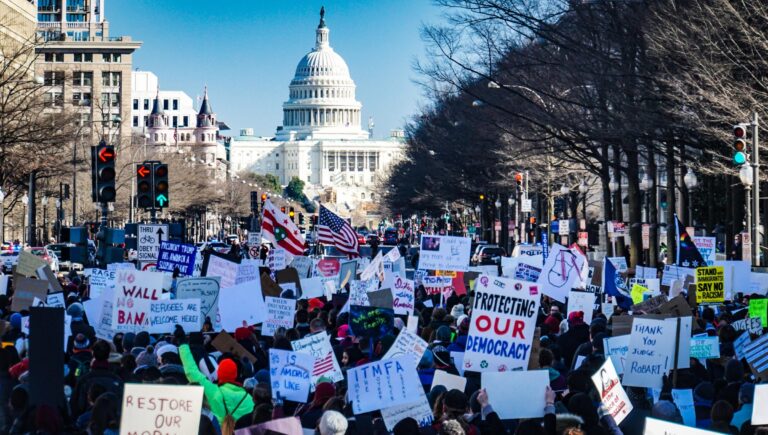
On Capitol Hill, the Department of Justice is dropping a hiring discrimination lawsuit against Elon Musk’s SpaceX, and the Securities and Exchange Commission is also reportedly dropping its securities lawsuit against the crypto company Coinbase. In addition, SEC staffers were recently offered $50,000 to resign or retire under an early retirement program. Finally, the U.S. Chips Act Office, which was created to implement the bipartisan Chips and Science Act, lost two-fifths of its staff in another round of President Trump’s mass firings.



Daily News & Commentary
Start your day with our roundup of the latest labor developments. See all
October 7
DOL scraps plan to remove decades-old wage-and-hour guidance from federal regulations; New York enacts personnel records access law; Starbucks loses bid to dismiss Workers United trademark suit.
October 6
Protect College Sports Act dampens athlete unionization outlook; Stanford RA union decides to withdraw petition
October 5
Delaware bans captive audience meetings; EEOC settles remote work national origin discrimination claim; First Circuit stays enforcement order in VA's dispute with AFGE.
October 4
Boston nurses announce open-ended strike; federal judge restores federal prison workers' union protections; St. Louis workers form the first movie theater union in Missouri.
October 2
Gov. Newsom signs bill regulating AI in workplace; federal judge blocks Trump's $100,000 H-1B visa fee.
October 1
Senate confirms Keith Sonderling as Labor Secretary; Amazon warehouse workers launch an unfair labor practice strike.