
Gilbert Placeres is a student at Harvard Law School.
In today’s News and Commentary, the Trump administration’s attacks on the federal workforce make their way through the courts while Elon Musk sends another volley, Trump’s NLRB requests a Cemex bargaining order, and care workers get a seat at the table in Colorado through the Direct Care Workforce Stabilization Board.
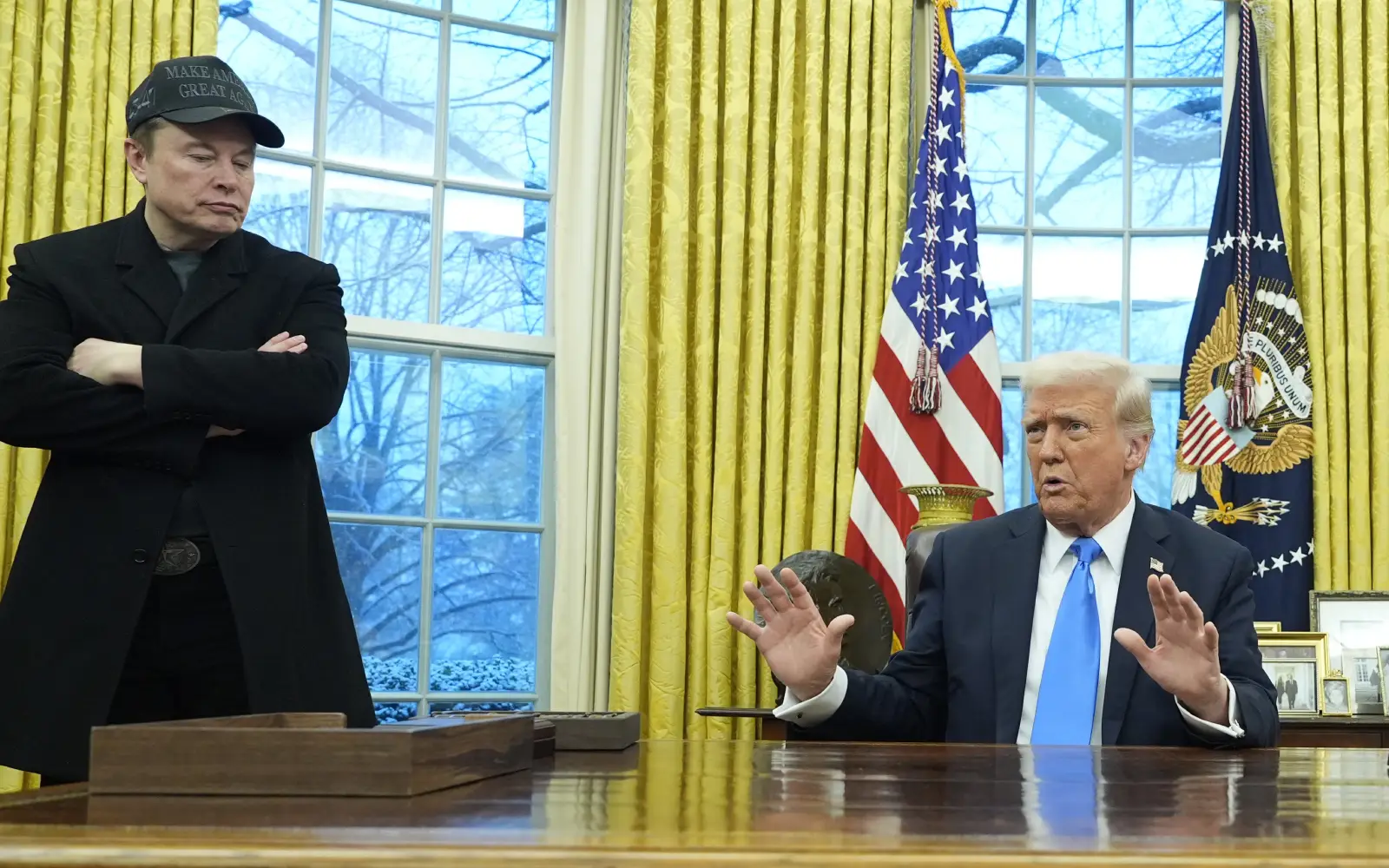
Three updates in President Trump’s slashing of the federal workforce and supposed diversity, equity, and inclusion (DEI) programs. A federal Washington, DC district court judge declined to issue a preliminary injunction of President Trump’s termination of probationary employees and other reductions in the federal workforce, saying the claims should be brought to the Federal Labor Relations Authority (FLRA) instead. On the other hand, another federal district court judge, in Maryland, issued a preliminary injunction halting the Trump administration from enforcing the executive orders against DEI programs because they are unconstitutionally vague and violate free speech rights. In support of his ruling, the judge cited the lack of definitions of terms like “DEI” or “equity-related,” lack of support for their illegality, and that the orders constituted viewpoint discrimination. Relatedly, on Saturday, Elon Musk emailed federal employees asking for a report of “what they got done last week” by 11:59pm Monday. A “failure to respond will be taken as a resignation,” according to the email.
Last week, NLRB prosecutors requested a Cemex bargaining order against Starbucks for its violations at a Missouri store. This request comes even after the prosecutors asked for an extension to make sure their post-hearing brief “reflect[ed] the views” of the agency’s new acting General Counsel, William Cowen. The order, under the Board’s 2023 Cemex Construction Material Pacific LLC decision, would require Starbucks to negotiate with Workers United at the store even after the employees voted 11–8 against unionizing, because of the companies’ NLRA violations in the run up to the election. Those violations, board attorneys argued, eroded what was majority support for unionization at the time the election petition was filed. Acting GC Cowen previously rescinded a memo from President Biden’s GC Jennifer Abruzzo regarding applying the Cemex decision “pending further guidance”
In In These Times, Osita Nwanevu continued his series on cooperatives and innovative worker organizing by profiling Colorado’s Direct Care Workforce Stabilization Board. The Board came out of efforts by direct care workers in the state, 41% of whom are on public assistance, to improve their low wages, conditions, and meager benefits. The 15-member Board was created by the state legislature at the urging of SEIU-backed Colorado Care Workers Unite and brings together direct care workers, patients, employers, and state officials to issue recommendations for the industry. It is one of nine industry standard boards established in six states and three cities since 2018 as an alternative and novel form of worker power. Direct care was a fit for this model because only 8% of the workforce is unionized and the work is isolated, highly individualized, and diffused amongst a large number of employers. While the Board can only issue recommendations, labor advocates hope it will be a lever to raise wages and improve conditions. One of the problems it seeks to address is the need to attract more workers into the field given an aging workforce and rising demand.





Daily News & Commentary
Start your day with our roundup of the latest labor developments. See all
October 13
Chicago hotel workers remain on strike; a coalition of Democratic states sues the Labor Department over canceled unemployment insurance grants; the Federal Labor Relations Authority establishes a new mediation framework for federal worker disputes.
October 12
Workers at the Obama Foundation begin organizing; MLB submits its latest collective bargaining agreement proposal; Brigham & Women's nurses postpone strike.
October 11
UAW President Shawn Fain succeeds in his reelection bid, and Spanish unions call for a general strike.
October 9
DHS proposes a $100k fee for the foreign grad employment program; Trump suspends tech company access to green card program; and private equity perpetuates poor working conditions for home care workers.
October 8
NLRB judge finds UPS unlawfully restricted union insignia; Harvard graduate workers authorize second strike; OSHA orders Union Pacific to pay $300,000 in damages in whistleblower case.
October 7
DOL scraps plan to remove decades-old wage-and-hour guidance from federal regulations; New York enacts personnel records access law; Starbucks loses bid to dismiss Workers United trademark suit.